

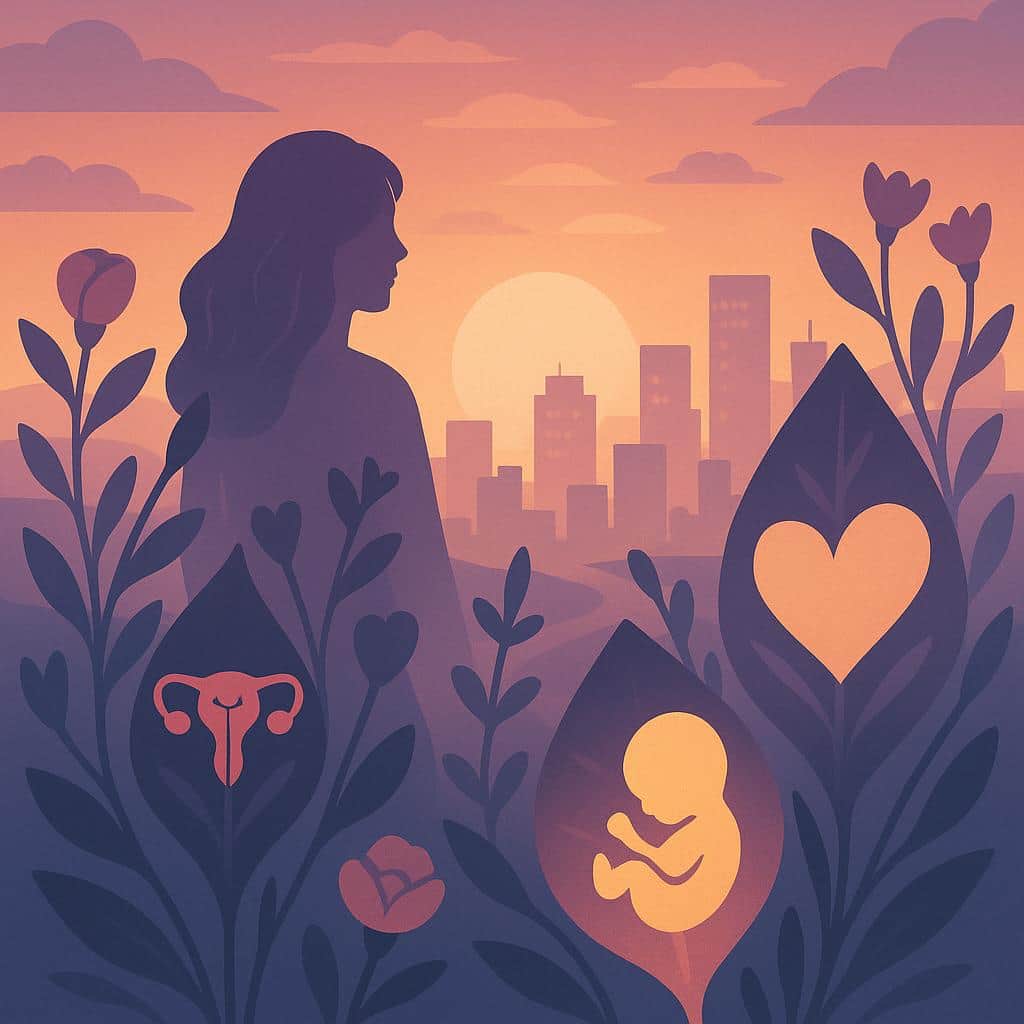
Adenomyosis, Endometriosis, and Pregnancy: What Patients Need to Know
Explore how adenomyosis affects pregnancy and fertility with endometriosis. Get trusted research insights and advice for your care team.
10 minute read
Read moreDiscover how Lotus can guide you toward lasting relief.
Explore why patients choose Lotus
Search expert-written answers, browse by topic, or find information based on where you are in your journey.
Explore All KnowledgeReach out and start your healing journey.
Schedule an AppointmentUnderstand diagnosis, symptom management, and care for this uterine condition, with practical guidance on MRI/ultrasound imaging, fertility planning, surgical choices, and how diffuse and focal forms differ.
Adenomyosis occurs when endometrial glands and stroma grow into the uterine muscle (myometrium), causing an enlarged, tender uterus with heavy periods, cramping, and pelvic pressure. It is distinct from endometriosis, which grows outside the uterus, but the two conditions often coexist and can compound pain and fertility challenges. Learn how clinicians recognize adenomyosis, when imaging helps, and how the pattern of disease—diffuse versus focal—shapes care choices and expectations over time.
Care is individualized around goals such as symptom relief, cycle control, and preserving or completing fertility. Explore how medications, devices, and non-hormonal strategies ease pain and bleeding; when advanced imaging clarifies diagnosis and guides therapy; and what to consider when weighing uterus‑sparing procedures versus definitive surgery. For scan specifics and report language, see Imaging & Diagnosis (MRI, Ultrasound). For daily relief strategies, visit Symptoms & Management. For disease patterns, compare Diffuse Adenomyosis and Focal Adenomyosis. Fertility planning and pregnancy outcomes are covered in Fertility Considerations, and operative decision‑making in Surgical Options.
A hysterectomy is typically considered for adenomyosis when you’re not planning future pregnancy and symptoms are severe and clearly uterus-driven, most often heavy bleeding (sometimes with anemia), intense cramping, pelvic pressure, and disruption to daily quality of life. It’s the most definitive option because adenomyosis is within the uterine muscle, so removing the uterus removes the source of the problem.
In practice, we usually consider hysterectomy most seriously when conservative options haven’t brought acceptable relief, aren’t tolerated, or don’t fit your goals. The decision also depends on the pattern and extent of disease (diffuse adenomyosis versus a more focal adenomyoma that may be removable while preserving the uterus) and whether endometriosis may also be present. If endometriosis is part of the picture, it’s important to know that hysterectomy alone doesn’t treat disease outside the uterus. Durable symptom relief depends on addressing all pain generators.
If you’re wondering whether hysterectomy makes sense for you at this point, our team can help clarify what’s most likely driving your symptoms, review imaging, and walk you through uterus-preserving versus definitive surgical options so you can choose the one that best matches your relief and fertility priorities.
The adenomyosis symptoms that most disrupt quality of life usually involve two main issues: uterine bleeding and pain. Many patients describe heavy or prolonged periods that interfere with work, school, travel, and sleep, sometimes with flooding, frequent pad or tampon changes, and fatigue that can follow significant blood loss. Severe period pain (often worse than normal cramps) is also common. It can feel deep, aching, or pressure-like, sometimes accompanied by an enlarged, tender uterus and a sense of pelvic heaviness or bloating.
Outside of the period itself, adenomyosis can contribute to chronic pelvic pain, pain with sex for some people, and bowel or bladder discomfort, especially when symptoms flare around the menstrual cycle. It can also overlap with endometriosis, and when both are present, symptoms may intensify or become harder to tell apart. If bleeding, pain, pressure, or fertility stress is shaping your day-to-day life, our team can help you sort out whether adenomyosis, endometriosis, fibroids, or more than one condition may be causing your symptoms, and which next steps make sense for your goals.
Chronic fatigue and pelvic pain often feel unexplainable because they’re rarely caused by just one issue, and many of the most common drivers don’t show up on routine labs or a quick ultrasound. Endometriosis and adenomyosis can cause persistent pelvic pain, painful periods, bowel and bladder symptoms, and deep fatigue through inflammation, disrupted sleep, heavy bleeding (and possible iron deficiency), and the sheer energy cost of living with ongoing pain. It’s also common for more than one gynecologic condition to coexist, including fibroids, polyps, or benign cysts, so a single label may not fully capture what you’re experiencing.
Another reason symptoms can persist is that the nervous system can become more pain-sensitive over time, often called central sensitization. This means pain can spread, linger outside your cycle, or feel disproportionate to what imaging shows. In those cases, symptom relief alone can miss the bigger picture: we think in terms of both treating disease (for example, addressing endometriosis lesions or uterine drivers like adenomyosis or fibroids) and building a personalized pain-management plan so your body can turn down the volume on pain signals.
If your fatigue and pelvic pain have been brushed off or left without a clear plan, our team can help you sort through the likely contributors, including endometriosis, adenomyosis, and common coexisting conditions, and map out next steps that fit your goals. You can explore our educational resources on fatigue, chronic pelvic pain, and comprehensive treatment approaches, and reach out to schedule a consultation when you’re ready.
Pain with sex that flares around your period often points to a hormonally driven source of pelvic pain. This means tissue and nerves in the pelvis become more inflamed and reactive in the days leading up to bleeding and during menstruation. Endometriosis is a common reason: lesions can irritate nearby nerves and organs, and the inflammatory chemicals they produce can amplify pain signals. Adenomyosis (endometrial-like tissue within the uterine muscle) can also make the uterus unusually tender and crampy, so penetration, orgasm-related uterine contractions, or even pelvic pressure can feel painful around that time.
Where and when you feel pain matter. Deep pain with penetration can be related to endometriosis near the uterosacral ligaments, cervix/vaginal fornix, rectovaginal space, bowel, or bladder, especially if scarring or adhesions have changed how those structures move. Pain after sex or after orgasm can happen when pelvic floor muscles spasm or when uterine contractions tug on sensitized areas. If this pattern keeps recurring, our team can help map your symptom timing and triggers and evaluate for endometriosis, adenomyosis, pelvic floor dysfunction, and overlapping bladder/bowel involvement so treatment targets the source of your pain rather than just masking it.
At an adenomyosis surgery consult, we want you to leave clear on the goal of treatment: are we primarily trying to control heavy bleeding, relieve pain/pressure, protect fertility, or all three? Ask what is driving your symptoms based on your history and imaging (ultrasound/MRI), and whether adenomyosis seems diffuse or is a more localized adenomyoma, because that often changes what surgery can realistically accomplish. It’s also important to ask how often adenomyosis overlaps with endometriosis in cases like yours and whether your surgical plan accounts for both.
Then get specific about options and tradeoffs: ask whether a uterus-preserving approach is feasible for you or whether hysterectomy is the most definitive path, and what symptom relief you can reasonably expect with each. Ask about the anticipated scope of surgery, whether it involves the uterus only or evaluation/treatment of other pelvic sites, what surgical approach will be used (laparoscopic vs. robotic), and how the team plans to maximize completeness and safety in complex anatomy. Finally, ask about recovery logistics: same-day vs. overnight stay, the typical timeline back to daily activities, and what postoperative follow-up looks like, so you can plan your life around the procedure. If you’d like, reach out and we can review your records and imaging with you and map a surgical plan aligned with your goals.
Uterine artery embolization (UAE), sometimes called adenomyosis embolization, can be a good fit when your main goal is symptom relief while preserving the uterus, especially if heavy bleeding and uterine bulk symptoms are a big part of your day-to-day life. It’s a radiology procedure that reduces blood flow to targeted uterine tissue to shrink or calm adenomyosis-related changes. Many patients report meaningful improvement in quality of life after UAE, and recovery is typically shorter than with major surgery.
Whether it’s right for you depends on what you’re trying to address (bleeding, pain, fertility, or all three) and whether adenomyosis is the primary cause of your symptoms or endometriosis is also part of the picture. In head-to-head research involving people with MRI-confirmed, therapy-resistant adenomyosis who were eligible for hysterectomy and not trying to conceive, both UAE and hysterectomy improved quality of life at 1 year, but hysterectomy tended to have an advantage for pain relief and satisfaction. If you want the most definitive option for uterus-driven symptoms, hysterectomy is the clearest treatment for removing the source, while UAE is better viewed as a uterus-preserving option that may help substantially but isn’t guaranteed to be as durable.
If you’re weighing UAE, our team can help you clarify your diagnosis (including whether endometriosis may be contributing), review your imaging and goals, and work out a plan that matches the level of relief you need, now and long-term. Explore our adenomyosis care resources, and reach out to schedule a consultation if you want personalized guidance for your decision.
Choosing an adenomyosis specialist starts with matching the team’s focus to your goal: controlling heavy bleeding and anemia, reducing pain and pressure, preserving fertility, or pursuing definitive treatment. Because adenomyosis often can’t be confirmed with absolute certainty unless the uterus is examined by a pathologist after hysterectomy, the right clinician is comfortable working with a diagnosis based on imaging and symptoms and can clearly explain how that uncertainty affects your options. You should feel that your plan is individualized, rather than a one-size-fits-all default to hormones or a reflex straight to hysterectomy.
When surgery is on the table, look for a surgeon who routinely performs complex minimally invasive pelvic surgery and can describe what they do when adenomyosis overlaps with endometriosis, adhesions, fibroids, or bladder, bowel, or ureter involvement. Ask how they decide between uterus-preserving strategies and hysterectomy, how they plan to protect organs and manage bleeding risk, and what they do to reduce repeat procedures. Our team takes a coordinated approach, with careful pre-op planning, meticulous minimally invasive technique when appropriate, and clear goal-based decision-making. You can explore our approach on the site or reach out to schedule a consultation to review your symptoms, imaging, and priorities.
Menstrual flow is generally too heavy when it consistently disrupts your life or overwhelms your usual period products: flooding or soaking through pads or tampons quickly, passing frequent or large clots, needing to double up, or bleeding long enough that you can’t plan around it. Another major clue is fatigue, dizziness, or shortness of breath that can come with iron deficiency from ongoing blood loss. If you’re planning your day around bathrooms, waking at night to change products, or avoiding work, exercise, travel, or sex because of bleeding, that’s not something we consider normal.
Heavy bleeding is a symptom, not a diagnosis. Common underlying causes include adenomyosis, fibroids, hormonal imbalance, and sometimes endometriosis, especially when heavy bleeding comes with severe cramps or deep pelvic pain. Because imaging and symptoms don’t always match (a scan can look mild while symptoms are intense), we take a symptom-led approach and look at the full pattern, including pain, pressure, clots, cycle timing, and any signs of anemia. If your bleeding feels like it’s escalating or you’ve been told to “just live with it,” our team can help you sort out likely causes and build a plan that targets the source, not just the bleeding.
Explore how adenomyosis affects pregnancy and fertility with endometriosis. Get trusted research insights and advice for your care team.

Get ready for your endometriosis surgery with our week-by-week guide. Learn what to schedule, pack, and prepare for a smooth recovery.

Explore how adenomyosis affects fertility. Learn about symptoms, research, and treatment options for better reproductive health.

Explore adenomyosis treatment methods including IUDs and surgeries. Learn which approach is best for pain, bleeding, and fertility.
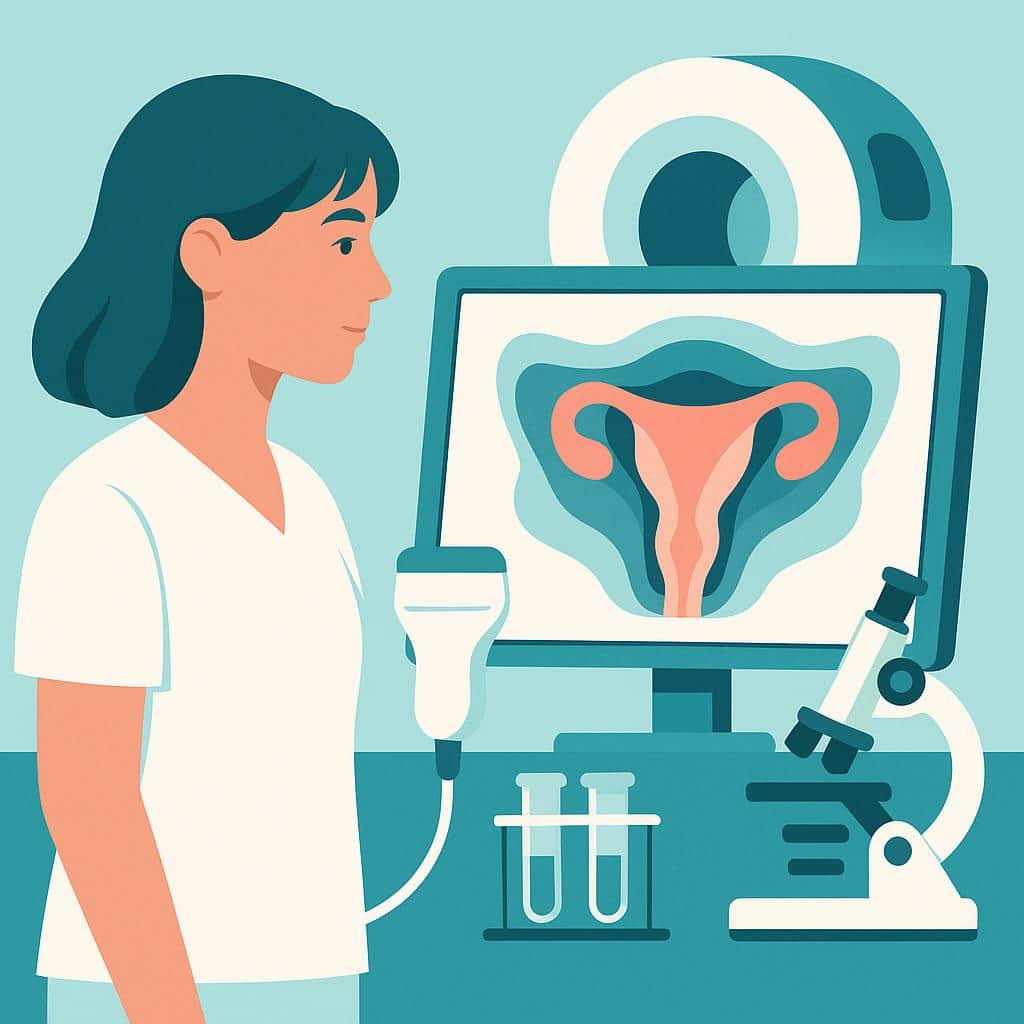
Discover how adenomyosis might be diagnosed through imaging tests. Learn what to expect and understand your symptoms better.

Explore the key differences between adenomyosis and endometriosis, their symptoms, overlap, and treatment options for better fertility outcomes.

Discover what adenomyosis is, why it's often overlooked, and treatment options. Understand its symptoms and relation to endometriosis.

Explore whether surgery is necessary for your endometriosis or adenomyosis. Understand the latest research and options for managing your condition.

Discover which treatment option, UAE or hysterectomy, may provide better relief for adenomyosis symptoms. Understand your choices today!
Discover the truth about endometriosis and adenomyosis symptoms. Understand how common they really are, and gain insights for effective advocacy.
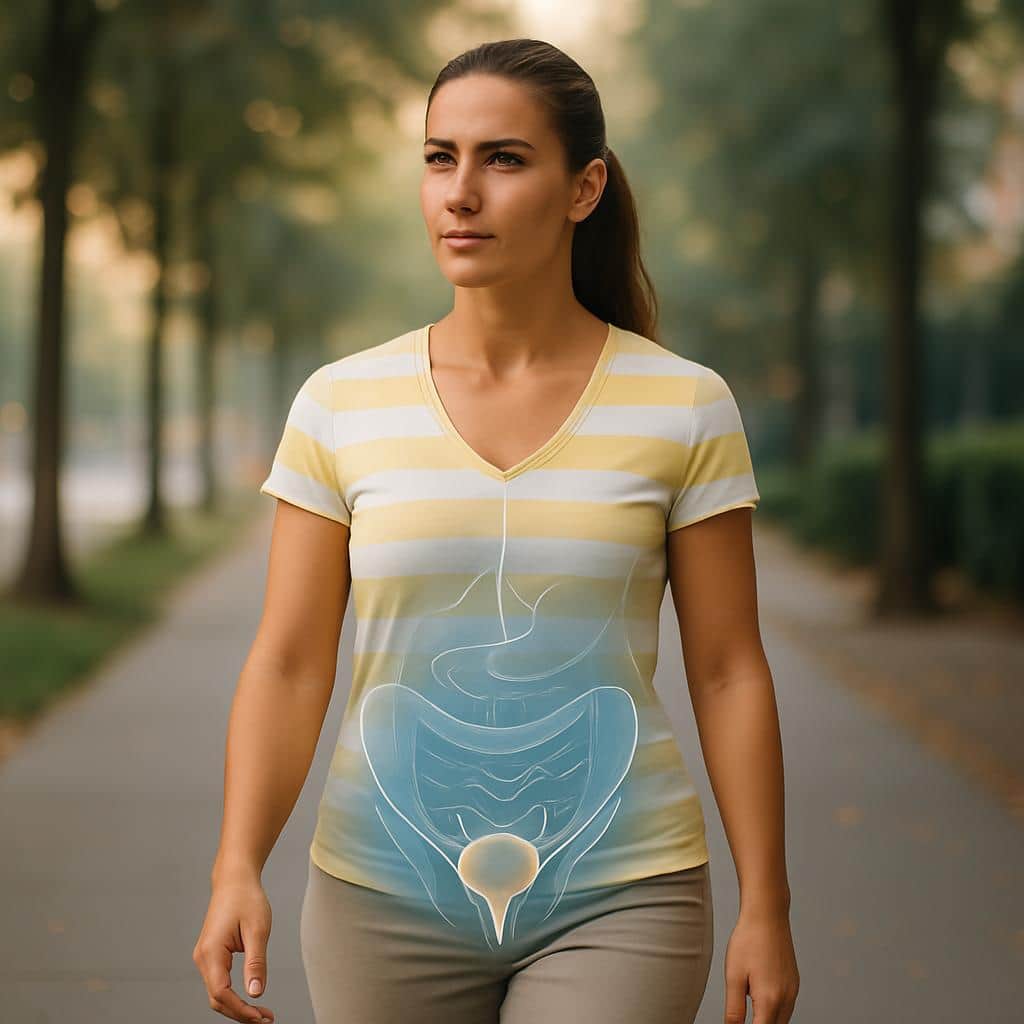
Discover the link between adenomyosis, bladder, and bowel pain after endometriosis surgery. Learn why you might still feel discomfort and what to do.

Learn how endometriosis and adenomyosis may affect preeclampsia risk during pregnancy. Get informed for a healthier journey.
Lotus Endometriosis Institute provides California-based surgical evaluation and advanced excision care for patients with suspected endometriosis, adenomyosis, complex pelvic pain, and related conditions.
Many patients contact us from outside California to learn whether traveling for in-person evaluation and possible surgery may be appropriate.
2121 Santa Monica Blvd, Santa Monica, CA 90404
8am - 5pm
Monday - Friday
154 Traffic Way, Arroyo Grande, CA 93420