
Symptoms
Can pelvic floor dysfunction start after laparoscopy?
The short answer
Yes, pelvic floor dysfunction can begin or become more noticeable after laparoscopy. Muscles may stay tight after months or years of bracing against pelvic pain, and changes in movement and tension during healing can reinforce this overactivity.
Yes, pelvic floor dysfunction can begin or become more noticeable after laparoscopy. Even when surgery is technically successful, the pelvic floor may stay in a protective guarding pattern (tight, shortened, overactive muscles) if it spent months or years bracing against pelvic pain. Surgery and healing can also temporarily change how you move, breathe, and hold tension in your core and hips, which can reinforce pelvic floor overactivity.
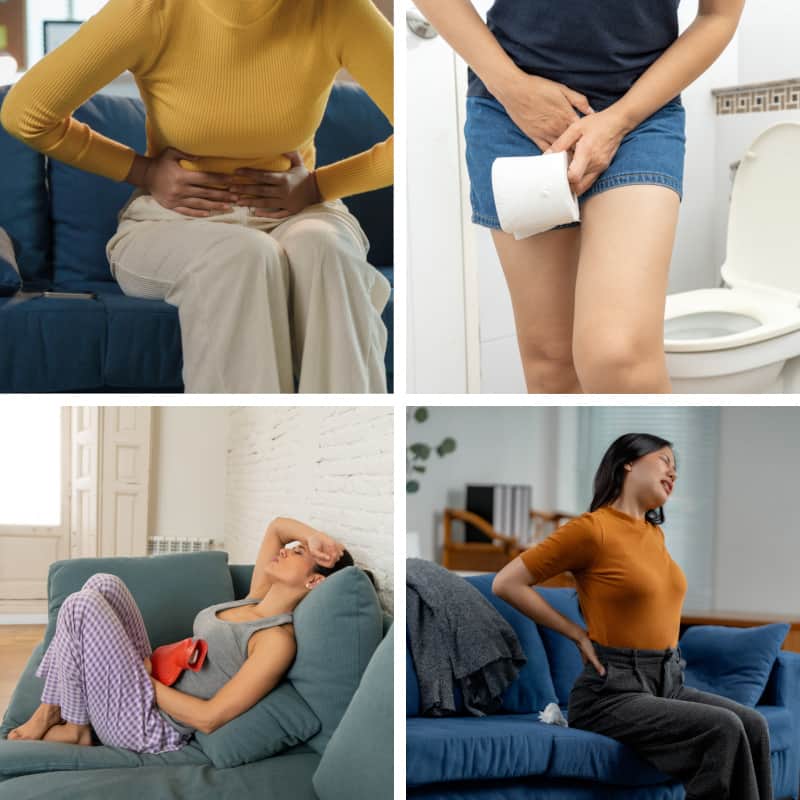
When this happens, symptoms often feel less like a single spot of pain and more like a pattern: pain with intercourse, pelvic pressure, urinary urgency, frequency, or burning, pain with bowel movements, tailbone, hip, or low back pain, or a sense that the pelvis is always clenched. This doesn’t automatically mean endometriosis has returned: muscle tension, scar and connective tissue restriction, and a sensitized nervous system can all drive pain on their own or alongside residual disease.
If your symptoms started or flared after surgery, our team can help sort out whether pelvic floor dysfunction and myofascial pain are contributing and what next steps make sense. Many patients benefit from pelvic floor therapy focused on relaxation and lengthening, scar and connective tissue mobility, restoring coordination with breathing and movement, and calming pain amplification, rather than simply strengthening. If you’d like, reach out to schedule a consultation so we can tailor a plan to your specific symptoms and surgical history.
Where to go from here
Understand it, compare it with what you're feeling, then talk it through with us.
Step 1 · Understand
Understand the condition
Step 2 · Compare
Symptoms it can relate to
Step 3 · Speak with Us
Struggling After Laparoscopy?
Pelvic floor dysfunction can emerge or worsen post-laparoscopy, causing pain and discomfort. Our specialists understand this complex healing process and can help restore your pelvic health.
Questions people ask next
All symptoms questionsCould pelvic floor dysfunction cause pelvic pain after treatment?
Yes, pelvic floor dysfunction can keep pelvic pain going after treatment, even when inflammation is better controlled. After months or years of pain, pelvic floor muscles can stay in a protective guarding pattern, becoming overly tight and reactive.
Do I need pelvic floor therapy before or after endometriosis surgery?
Often, yes. Depending on your symptoms, pelvic floor therapy may help before endometriosis surgery to reduce tightness and improve bowel or bladder symptoms or pain with sex, and after surgery to support comfortable movement and function.
What is pelvic floor physical therapy like, and will it hurt?
Pelvic floor physical therapy usually starts with a conversation and a gentle assessment, and it should not feel like a painful exam. Treatment may include hands-on muscle release and retraining. Some people feel temporary soreness or a brief increase in symptoms afterward.
How soon will pelvic floor therapy improve my symptoms?
Most patients begin to notice some improvement after a few pelvic floor therapy sessions, but the timeline can vary widely. Progress may be more gradual and require a longer course of therapy if your symptoms have been present for a long time or are more complex.
Further reading
Pelvic Floor & Myofascial Pain After Endometriosis Surgery
Why Do I Still Hurt series article three about pain post-endometriosis surgery. Learn the basics about myofascial pain and treatment options.
Pelvic Floor Physical Therapy After Endometriosis Surgery: When It Helps
Discover how pelvic floor physical therapy aids recovery after endometriosis surgery, addressing lingering symptoms and improving pelvic health.
Endometriosis Excision Surgery Worked—So Why Am I Still in Pain?
Discover why persistent pain after successful endometriosis surgery occurs, backed by recent research and insights for effective pain management.