Fertility
What diet changes may support fertility with endometriosis?
The short answer
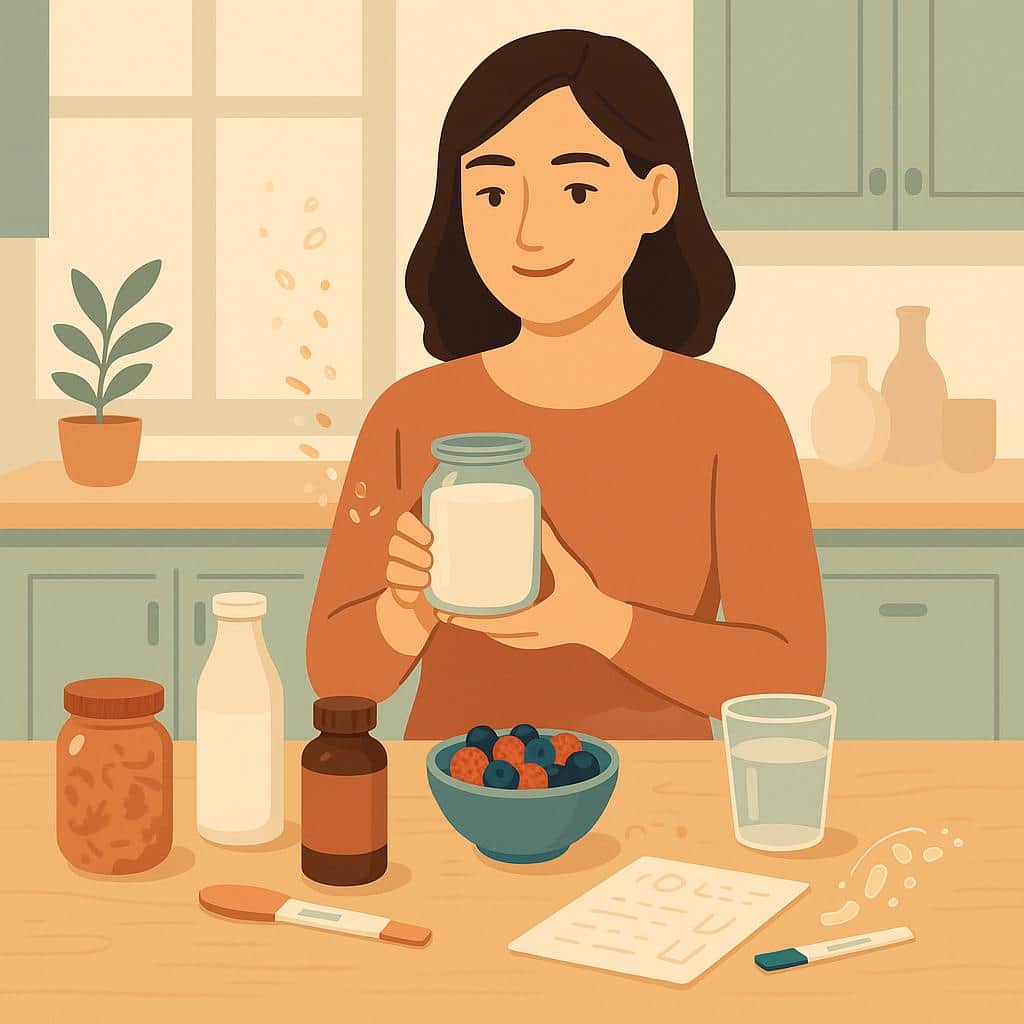
A Mediterranean-style diet emphasizing plants, fiber and healthy fats may support fertility with endometriosis. There is no proven endometriosis fertility diet, but research points to overall diet quality, including cutting back on ultra-processed foods.
There isn’t one proven endometriosis fertility diet, but research most consistently points to the importance of overall diet quality, especially Mediterranean-style, anti-inflammatory patterns. In practical terms, that usually means emphasizing minimally processed foods, plenty of plants, fiber, and healthy fats, while cutting back on dietary patterns linked with higher inflammation (often those heavy in ultra-processed foods and certain fats).
Specific nutrition areas we often discuss in a fertility-focused endometriosis plan include omega-3 intake (from food first when possible), steady fiber for gut and estrogen metabolism, and support for the microbiome, because gut and immune signaling may influence the hormonal and inflammatory environment around ovulation and implantation. Diet changes won’t erase endometriosis, but they can be a meaningful tool in a broader strategy that also considers the anatomy of the tubes and ovaries, inflammation, and timing. If you’d like, our team can help you choose evidence-aligned nutrition targets based on your symptoms, labs, and fertility goals, and integrate them with a plan for endometriosis treatment.
Where to go from here
Understand it, compare it with what you're feeling, then talk it through with us.
Step 1 · Understand
Understand the condition
Step 2 · Compare
Symptoms it can relate to
Step 3 · Speak with Us
Boost Fertility with Smart Diet Choices
We understand how diet impacts your fertility journey with endometriosis. Our specialists can guide you on anti-inflammatory eating patterns to support your treatment goals.
Questions people ask next
All fertility questionsIs an “endometriosis diet” evidence-based?
Diet can be a meaningful part of endometriosis symptom support, but research does not yet support a single, universally proven endometriosis diet. In our experience, nutrition tends to be most helpful when tailored to your symptoms, especially bloating or bowel symptoms.
What foods help reduce inflammation with endometriosis or adenomyosis?
An anti-inflammatory diet for endometriosis or adenomyosis generally emphasizes vegetables, berries, legumes, intact whole grains, fish, extra-virgin olive oil, nuts, and seeds. Omega-3 sources like salmon, sardines, flax, chia, and walnuts are a helpful place to start.
Can diet cure endometriosis?
Diet can’t cure endometriosis or remove the disease, but what you eat can influence how you feel day to day. Many patients notice that certain eating patterns help reduce bloating, digestive upset, and discomfort, making pain and fatigue more manageable.
Further reading
Endometriosis Diet: What Research Really Supports (and What It Doesn’t)
Learn what truly supports endometriosis symptom relief and improving your reproductive health, backed by reliable research and new evidence.
From Gut to Gamete: What the Microbiome May Mean for Fertility in Endometriosis and Adenomyosis
How the gut microbiome may influence fertility in endometriosis and adenomyosis: the evidence, its limits, and practical steps on diet and preconception.
Trying to Conceive With Endometriosis Without Making Symptoms Explode
Discover how to navigate pregnancy with endometriosis while managing symptoms. Explore safe options and recent research on fertility and treatment.