General
Is an “endometriosis diet” evidence-based?
The short answer
Diet can be a meaningful part of endometriosis symptom support, but research does not yet support a single, universally proven endometriosis diet. In our experience, nutrition tends to be most helpful when tailored to your symptoms, especially bloating or bowel symptoms.
Yes and no. The evidence supports the idea that nutrition can influence pathways that matter in endometriosis (such as inflammation, oxidative stress, hormone metabolism, and the microbiome), so diet can be a meaningful part of symptom support. What the research does not support, at least not yet, is a single, universally proven “endometriosis diet” that reliably treats the disease or works the same way for everyone.
Most of the strongest signals come from observational research, where higher overall diet quality and Mediterranean-style, anti-inflammatory patterns are associated with better reproductive health and a lower likelihood of having endometriosis. That’s encouraging, but it isn’t proof that changing your diet will prevent endometriosis, shrink lesions, or predictably improve pain or fertility for an individual. In our experience, nutrition tends to be most helpful when it’s tailored to your symptom pattern, especially if you have significant bloating, bowel symptoms, or IBS overlap.
If you’re deciding what’s worth your time, we recommend focusing on evidence-aligned, sustainable changes rather than long lists of forbidden foods or internet protocols that promise a cure. Our team integrates nutrition and lifestyle strategies into an overall endometriosis plan, so you’re not left experimenting endlessly and can evaluate what’s actually helping you.
Where to go from here
Understand it, compare it with what you're feeling, then talk it through with us.
Step 3 · Speak with Us
Personalize what you eat—not guess
There isn’t one proven “endometriosis diet,” but targeted nutrition can help support inflammation, hormone metabolism, and gut health long term. Our specialists can help you build a realistic plan that fits your symptoms, treatments, and lifestyle.
Questions people ask next
All general questionsWhat foods help reduce inflammation?
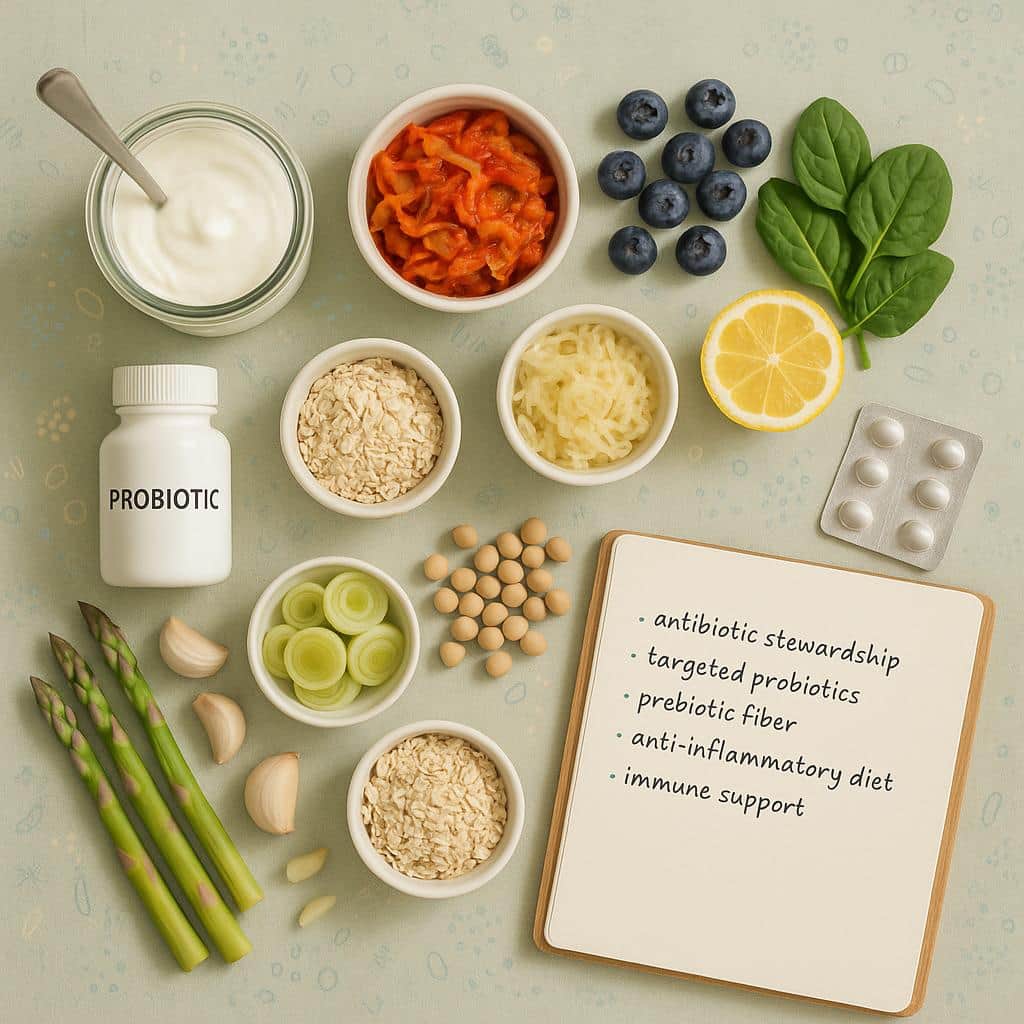
Colorful fruits and vegetables, beans, lentils, nuts, seeds, minimally processed whole grains and fatty fish can support a healthier inflammatory balance. What helps depends on your symptoms, digestion and conditions like endometriosis or adenomyosis.
Can diet cure endometriosis?
Diet can’t cure endometriosis or remove the disease, but what you eat can influence how you feel day to day. Many patients notice that certain eating patterns help reduce bloating, digestive upset, and discomfort, making pain and fatigue more manageable.
Can diet changes or probiotics treat endometriosis based on microbiome research?
There is not yet strong clinical trial evidence that diet changes or probiotics reliably reduce endometriosis lesions or stop disease progression. They may help symptoms for some people, but are supportive tools, not a substitute for a tailored treatment plan.
How do I know if online endometriosis advice is evidence-based?
Evidence-based endometriosis advice usually points to peer-reviewed research, explains what is known and uncertain, and describes benefits and risks. Be wary of promises to cure everyone, absolute language, or testimonials presented as proof.
Further reading
Endometriosis Diet: What Research Really Supports (and What It Doesn’t)
Learn what truly supports endometriosis symptom relief and improving your reproductive health, backed by reliable research and new evidence.
Optimizing the Microbiome to Support Endometriosis Care
Learn how antibiotics, probiotics, prebiotics, diet and immunomodulation affect the endometriosis–gut axis, with practical, research-backed microbiome tips.
How Endometriosis Can Affect Your Bowel and Digestion
Learn how endometriosis affects bowel health and digestion. Discover symptoms, diagnosis challenges, and treatment options. Get informed today!