Symptoms
Can endometriosis make weight loss harder?
The short answer
Yes, endometriosis can make weight loss feel harder, though it is not proven to directly cause fat gain. Bloating and fluid shifts can affect the scale, while pain, fatigue and sleep disruption can reduce activity and indirectly affect weight over time.
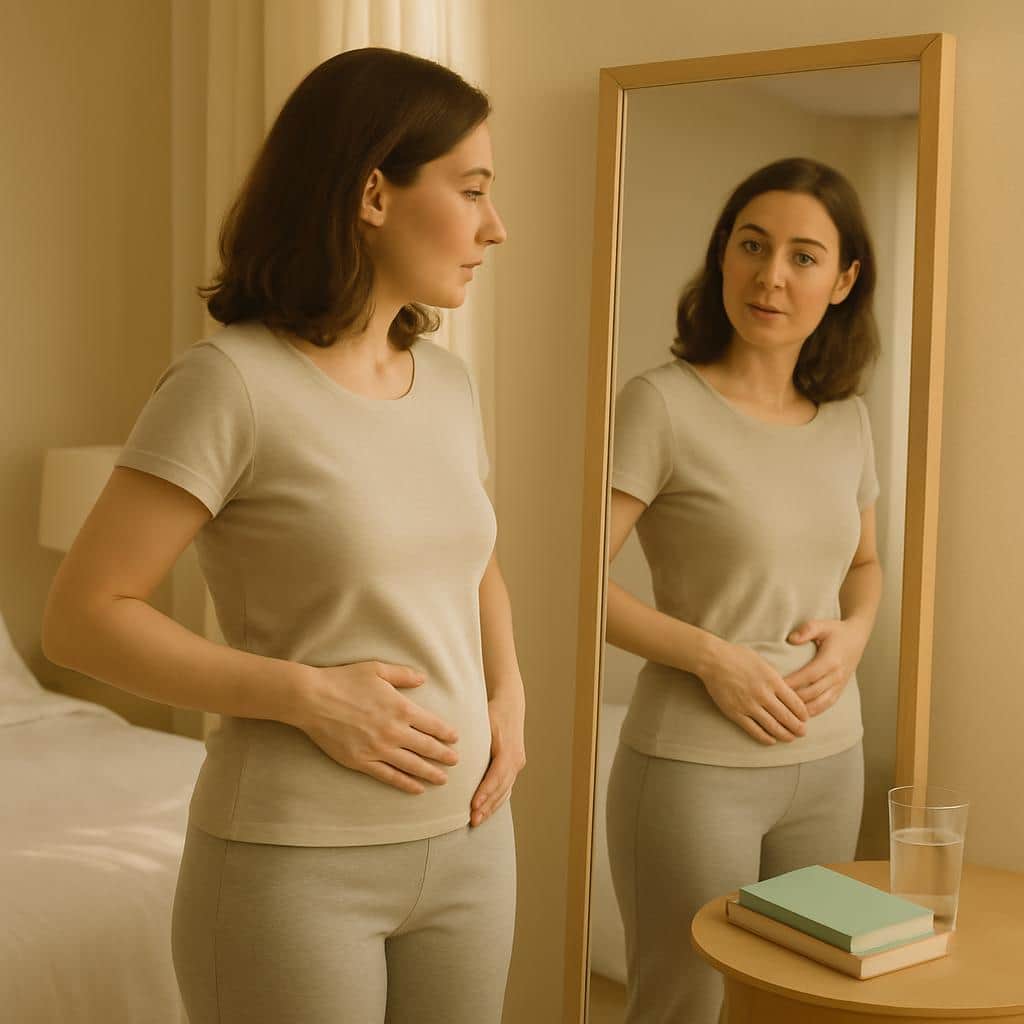
Yes, endometriosis can make weight loss feel harder, even though it isn’t proven to directly cause fat gain in a simple, one-to-one way. Many patients deal with endo belly (cyclical abdominal bloating), constipation or GI distension, fluid shifts, and inflammation that can make the scale and your waistline look worse without reflecting true fat gain. Pelvic pain, fatigue, and sleep disruption can also reduce activity and change appetite or stress patterns, which can indirectly affect weight over time.
There’s also emerging research suggesting some people with endometriosis may show more metabolic risk markers (like central waist measures and lipid patterns), but most data can’t prove cause and effect yet. In our experience, the key is separating bloating/inflammation from actual changes in body composition, then addressing the drivers that are modifiable for you. If weight loss has felt unusually difficult alongside pelvic pain, heavy periods, bowel/bladder symptoms, or a swollen abdomen that comes and goes, explore our educational resources and reach out to schedule a consultation so our team can help you map symptoms to a personalized plan, including evaluating whether excision surgery and integrative support could reduce the underlying burden.
Where to go from here
Understand it, compare it with what you're feeling, then talk it through with us.
Step 1 · Understand
Understand the condition
Step 3 · Speak with Us
Get answers about your symptoms
If weight loss feels harder and bloating or “endo belly” keeps coming back, you deserve clarity. Our endometriosis and adenomyosis specialists can evaluate the drivers—pain, inflammation, GI symptoms, and hormone patterns—and build a plan to help you feel better.
Questions people ask next
All symptoms questionsCan endometriosis cause inflammation-related weight gain?
Yes, endometriosis-related inflammation can cause fluid shifts, swelling and constipation that look and feel like weight gain, even when body fat hasn’t changed. Pain, fatigue and stress can also change activity or appetite, affecting body composition over time.
Can endometriosis cause bloating on an empty stomach?
Yes, endometriosis can cause bloating even when you haven’t eaten. Inflammation, irritation, and tissue changes in the pelvis and abdomen can contribute, and endometriosis affecting the bowel or nearby structures can change how the intestines move and expand.
Can foods worsen endometriosis symptoms?
Yes, certain foods can worsen endometriosis symptoms for some people, but there is no universal endometriosis diet. Eating patterns that increase inflammation or trigger gut symptoms can amplify pain, bloating, and fatigue.
Can diet cure endometriosis?
Diet can’t cure endometriosis or remove the disease, but what you eat can influence how you feel day to day. Many patients notice that certain eating patterns help reduce bloating, digestive upset, and discomfort, making pain and fatigue more manageable.
Further reading
Can Endometriosis Cause Weight Gain?
Explore how endometriosis may contribute to body changes like bloating and weight gain. Learn more about the latest research and expert insights.
Endometriosis Diet: What Research Really Supports (and What It Doesn’t)
Learn what truly supports endometriosis symptom relief and improving your reproductive health, backed by reliable research and new evidence.
Endometriosis Fatigue : A Practical Guide to Relief
Understand why endometriosis drains energy—chronic pain, hormones, poor sleep, anemia, inflammation—and get practical tips for fatigue, pain, stress, and daily function.