Fertility
Can alcohol or caffeine worsen endometriosis infertility?
The short answer
Yes, alcohol and caffeine may matter for some people, but they’re unlikely to be the main driver of endometriosis-related infertility on their own. Some patients notice improvement when they reduce or eliminate them, while others see no meaningful change.
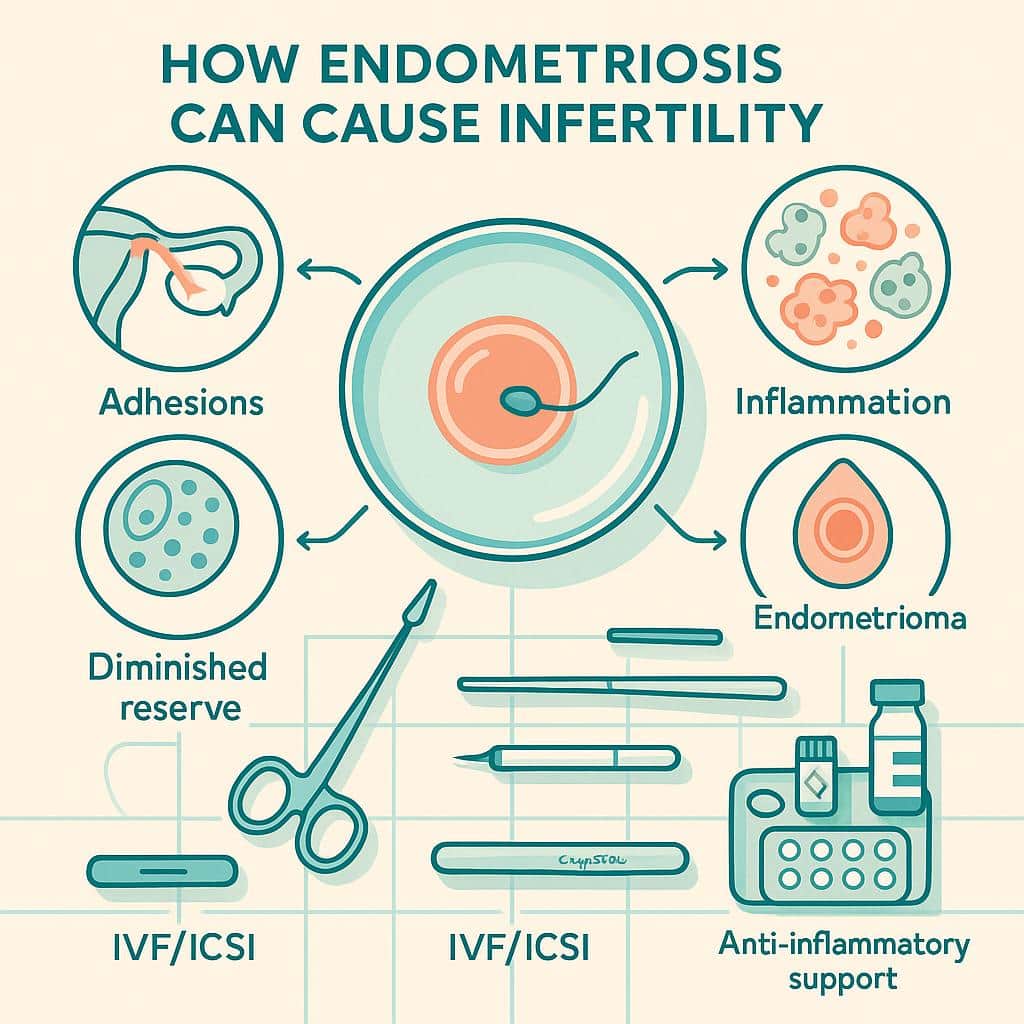
Yes, alcohol and caffeine may matter for some people, but they’re unlikely to be the main driver of endometriosis-related infertility on their own. Endometriosis can impair fertility through inflammation and immune signaling, effects on egg quality and ovulation (especially with endometriomas), changes in fallopian tube function and pelvic anatomy, and altered uterine receptivity. The picture is usually multifactorial.
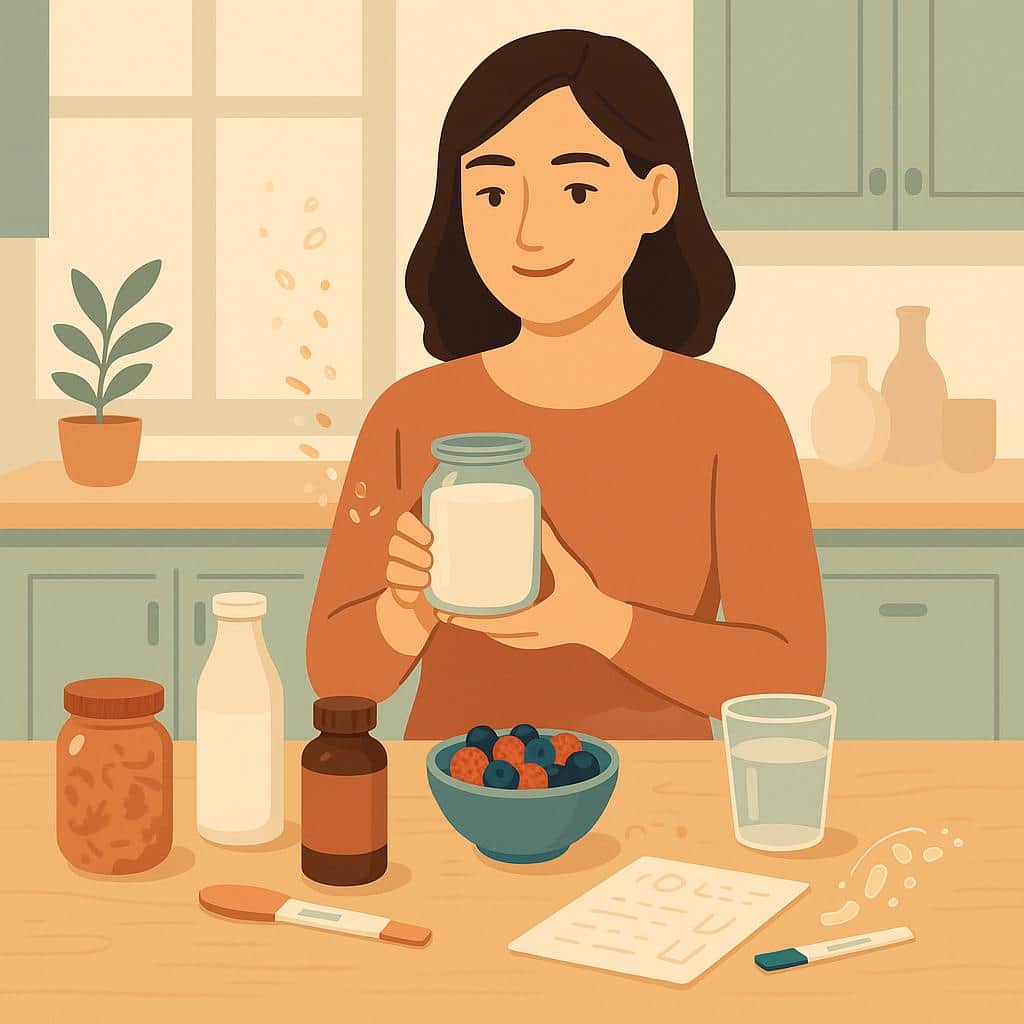
In research, alcohol and caffeine appear more as potential contributors to hormone metabolism, inflammation, oxidative stress, and sleep/stress physiology than as clear, stand-alone causes of infertility. That means some patients notice improvement when they reduce or eliminate them, while others see no meaningful change, especially if active disease (such as deep endometriosis, tubal involvement, or endometriomas) is the dominant issue. If you’re trying to conceive and wondering what role these exposures might play in your case, our team can help you connect your symptoms, imaging, ovarian reserve considerations, and prior fertility history to a plan that targets the factors most likely to make a difference.
Where to go from here
Understand it, compare it with what you're feeling, then talk it through with us.
Step 1 · Understand
Understand the condition
Step 2 · Compare
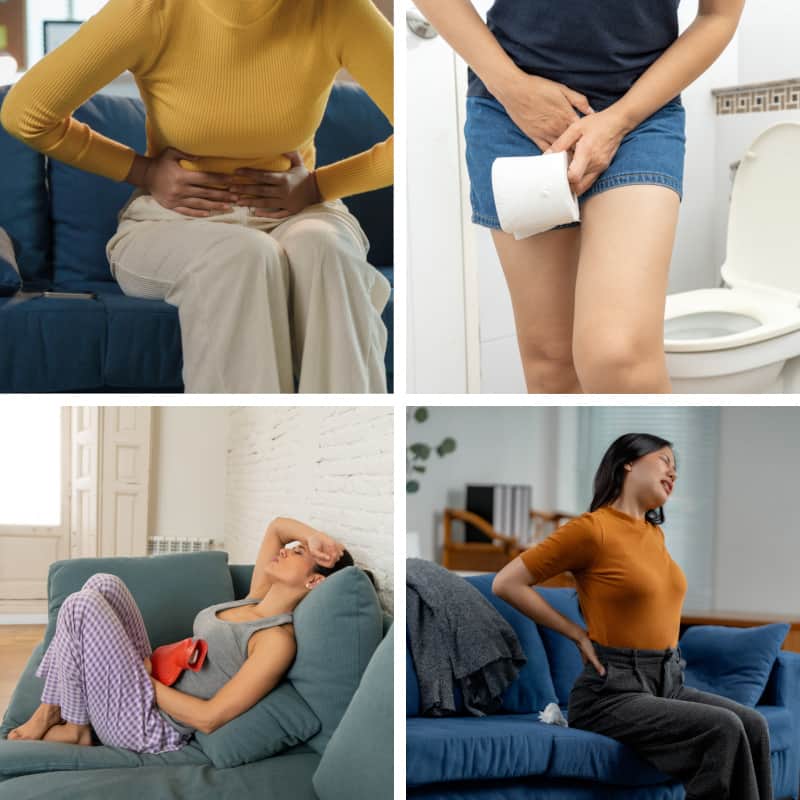
Symptoms it can relate to
Step 3 · Speak with Us
Struggling with Endometriosis Fertility?
Alcohol and caffeine can impact your fertility, but many factors play a role. Our specialists understand these complexities and can help tailor your treatment plan.
Questions people ask next
All fertility questionsWhat diet changes may support fertility with endometriosis?
A Mediterranean-style diet emphasizing plants, fiber and healthy fats may support fertility with endometriosis. There is no proven endometriosis fertility diet, but research points to overall diet quality, including cutting back on ultra-processed foods.
Can supplements improve fertility or IVF outcomes in endometriosis?
Supplements may be a helpful adjunct for some patients, but evidence that they improve fertility or IVF outcomes in endometriosis is mixed and not definitive. Timing and dosing can matter, and some fertility protocols pause certain antioxidants during stimulation.
Does endometriosis affect egg quality or implantation?
Endometriosis can affect both egg quality and implantation. In the ovaries, especially with ovarian endometriomas, inflammation may affect how eggs mature, while changes in the uterine lining may make it less receptive to implantation.
Do endometriosis and adenomyosis affect fertility?
Endometriosis and adenomyosis can both make it harder to conceive, though the reasons can differ from person to person. They may affect fertility through inflammation, scarring, ovarian involvement, or uterine changes that can interfere with implantation and pregnancy.
Further reading
Endometriosis Diet: What Research Really Supports (and What It Doesn’t)
Learn what truly supports endometriosis symptom relief and improving your reproductive health, backed by reliable research and new evidence.
How Endometriosis Contributes to Infertility
How endometriosis leads to infertility: pathogenesis; effects on gametes, tubes, and endometrium; and treatments—expectant care, surgery, and ART.
From Gut to Gamete: What the Microbiome May Mean for Fertility in Endometriosis and Adenomyosis
How the gut microbiome may influence fertility in endometriosis and adenomyosis: the evidence, its limits, and practical steps on diet and preconception.