
Surgery
Hormones after deep endometriosis excision: should I use them?
The short answer
Hormones after deep endometriosis excision can be helpful for some patients, but are not automatically required. The decision depends on your goals and surgical findings; if you’re trying to conceive soon, we typically avoid suppressive hormones.
Hormones after excision for deep infiltrating endometriosis can be helpful for some patients, but they’re not automatically required. Excision removes disease directly, while hormones mainly reduce ovarian cycling and can quiet pain and bleeding. The decision usually comes down to your goals (symptom control vs. trying to conceive), what we found at surgery, including the extent and location of disease, endometriomas, and bowel or bladder involvement, and whether adenomyosis is also part of the picture.
If pregnancy is not an immediate goal, ongoing hormonal suppression is often one tool we consider to lower the chance of symptoms returning over time, especially in patients who are still cycling with ovaries in place. If you’re trying to conceive soon, we typically avoid suppressive hormones and focus instead on recovery, optimizing timing, and monitoring symptoms. Our team will help you weigh the benefit of symptom suppression against side effects, particularly with medications that deeply lower estrogen and can’t be used long-term without tradeoffs.
The most useful next step is a tailored post-op plan: what your new normal should feel like, what symptoms would prompt earlier follow-up, and whether a medication plan makes sense for your specific disease pattern. If you’d like, reach out to schedule a post-op strategy visit with our team so we can match the approach to your anatomy, pathology, and fertility timeline.
Where to go from here
Understand it, compare it with what you're feeling, then talk it through with us.
Step 2 · Compare
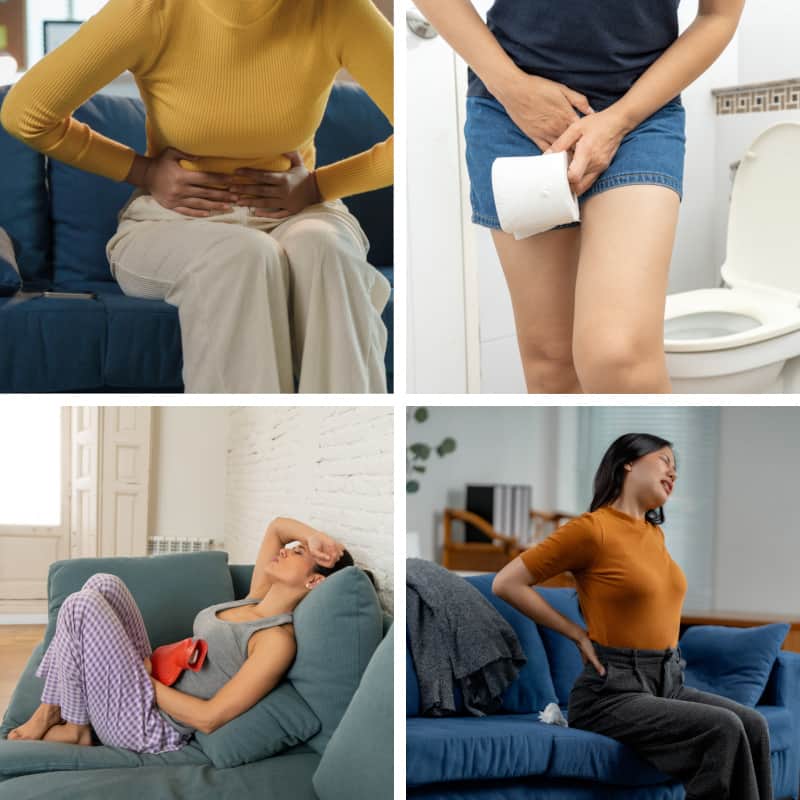
Symptoms it can relate to
Step 3 · Speak with Us
Wondering About Hormones After Surgery?
Our specialists can guide you on whether hormone therapy suits your recovery and fertility goals after deep endometriosis excision. We tailor treatments based on your surgery findings and personal needs to help control symptoms effectively.
Questions people ask next
All surgery questionsDo I need birth control after endometriosis excision to prevent recurrence?
Not everyone needs birth control after endometriosis excision to prevent recurrence. Hormonal suppression may lower recurrence risk for some patients, but whether it makes sense depends on your goals, surgical findings and how you tolerate hormones.
Should I use GnRH meds after endometriosis excision surgery?
It depends on your goals and what was found at surgery. Some patients feel best with no GnRH therapy after complete excision; others may use short-term suppression if symptoms persist or recurrence risk is higher, weighing benefit against side effects.
Can endometriosis come back after excision surgery?
Yes, endometriosis can come back after excision surgery, even when it is performed well. Recurrence can mean symptoms returning, new lesions forming, or an endometrioma (ovarian cyst) coming back. Disease left behind is the biggest driver of recurrence risk.
Can endometriosis pain continue after excision surgery?
Yes, endometriosis pain can continue after excision surgery, even when lesions are removed. Pain can persist because of a sensitized nervous system, scar tissue, residual or recurring disease, or overlapping problems such as pelvic floor pain.
Further reading
Preventing Endometriosis Recurrence After Surgery: What Helps?
Discover effective strategies to prevent endometriosis recurrence post-surgery. Learn about management options and warning signs. Get informed today!
Deep Infiltrating Endometriosis: Current and Future Treatments
Deep infiltrating endometriosis: symptoms, causes, diagnosis and treatment. Medical therapy, ICG-guided surgery, stenting, pathology, and future outlook.
Overlooked Endometriosis Neighbors: Adenomyosis, Bladder, and Bowel Pain
Discover the link between adenomyosis, bladder, and bowel pain after endometriosis surgery. Learn why you might still feel discomfort and what to do.