


You are managing long-term care
How often do endometriosis or adenomyosis symptoms recur after treatment?

Recurrence after treatment depends on what was treated (endometriosis vs. adenomyosis), how completely disease was addressed, and the underlying biology driving your symptoms. In endometriosis, symptoms are more likely to return when there are endometriomas, when surgery removes only what’s easy to see rather than fully excising disease, or when inflammation and hormonal drivers aren’t addressed after surgery.
With adenomyosis, symptom recurrence can happen after uterus-sparing approaches because the condition involves the uterine muscle itself, which can continue to generate pain or heavy bleeding over time. Our approach is to focus on thorough excision when surgery is appropriate and to build a long-term plan that supports symptom control after treatment. If you’re concerned about recurrence, we can review your prior records, imaging, and goals to estimate your personal risk and outline next-step options in a consultation.
Worried About Symptom Recurrence?
Our specialists understand the challenges of persistent endometriosis and adenomyosis symptoms. We tailor advanced treatments to target underlying causes and improve your long-term well-being.
Schedule Your ConsultationRelated Symptoms
Related Procedures
Learn More
Reducing Your Risk of Endometriosis Recurrence
Learn why endometriosis recurs—incomplete excision, hormonal, immune, toxin and molecular factors—and how precise robotic surgery and 3D optics can reduce risk.

UAE or Hysterectomy for Adenomyosis Which Feels Better?
Discover which treatment option, UAE or hysterectomy, may provide better relief for adenomyosis symptoms. Understand your choices today!

What Now? Your Post‑Endometriosis Surgery Pain Investigation Plan
Discover an investigation plan for post-surgery pain after endometriosis. Learn effective tracking methods to communicate with your care team.
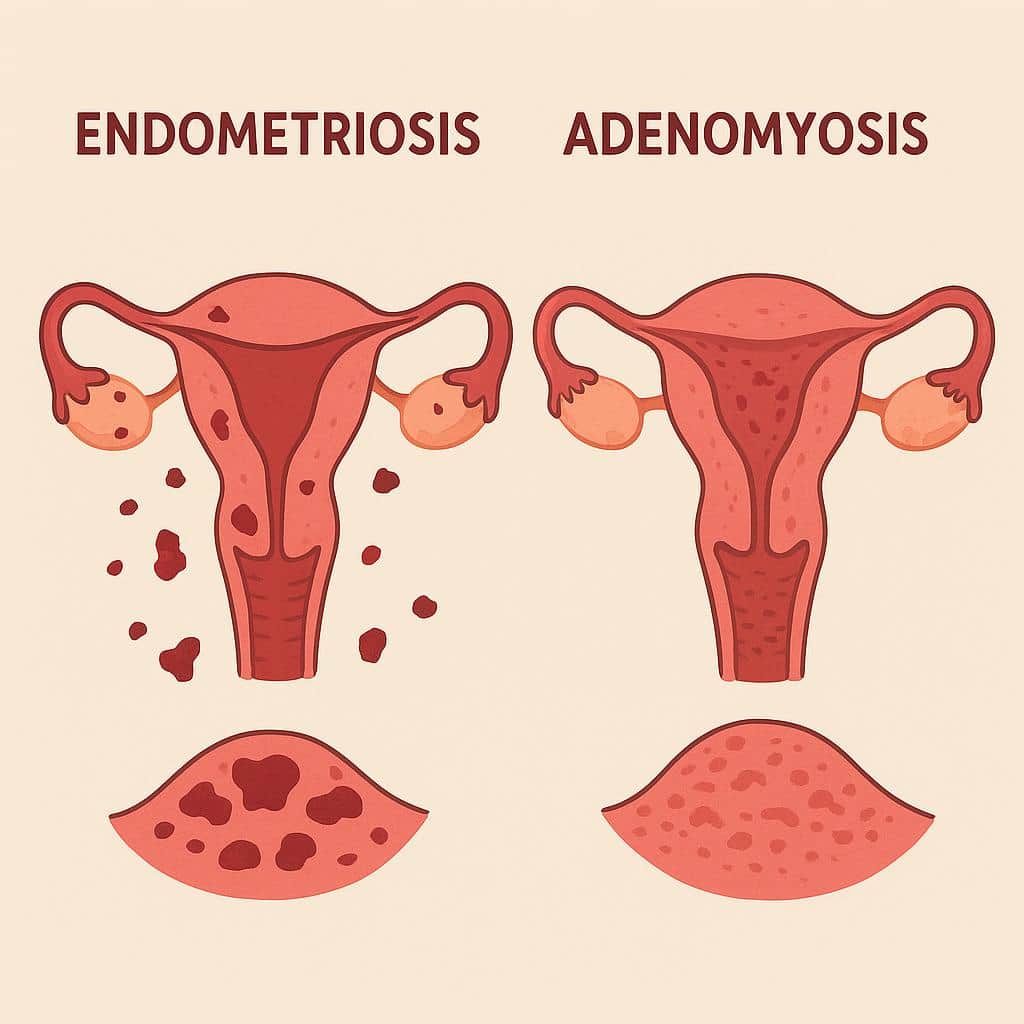
Endometriosis and Adenomyosis: How They Drive Pelvic Pain
Compare endometriosis and adenomyosis: similarities, differences in location and prevalence, diagnosis methods, and treatment options for pelvic pain.