Surgery
Can endometriosis come back after excision surgery?
The short answer
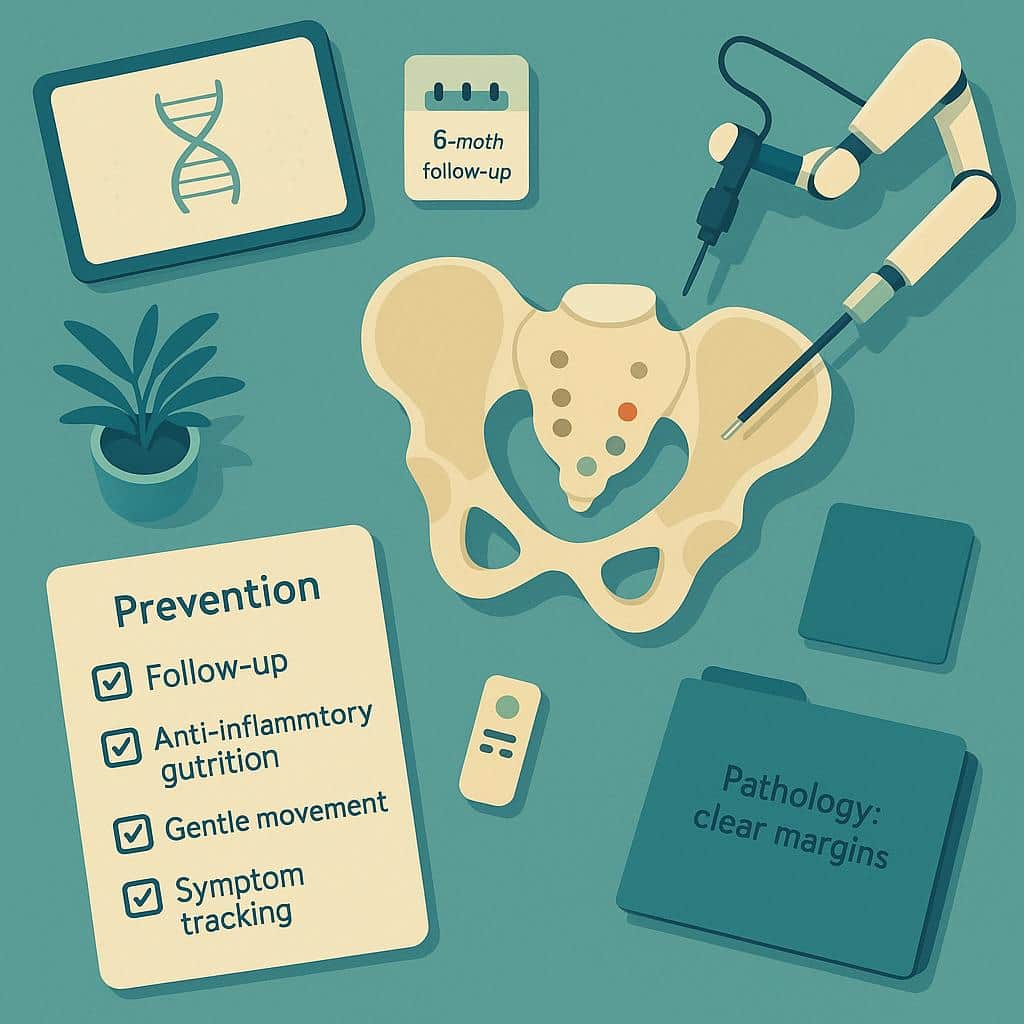
Yes, endometriosis can come back after excision surgery, even when it is performed well. Recurrence can mean symptoms returning, new lesions forming, or an endometrioma (ovarian cyst) coming back. Disease left behind is the biggest driver of recurrence risk.
Yes, endometriosis can come back after surgery, even when excision is performed well. Endometriosis is a chronic, hormone-influenced inflammatory condition, so surgery is often a major turning point but not always the finish line, especially when ovaries remain and cycling continues. What people call recurrence can mean symptoms returning, new lesions forming, or an ovarian endometrioma (cyst) coming back.
The biggest driver of recurrence risk is residual disease: endometriosis can be deep, microscopic, or hidden in inflamed tissue, and any implants left behind can regrow over time. That’s one reason we emphasize meticulous, complete excision rather than burning lesions, and why it matters to map disease across common and less common locations (including bowel, bladder, and even diaphragm when indicated).
After surgery, the most effective long-term plan usually includes a clear follow-up strategy and, for many patients, a discussion of ongoing hormonal suppression to reduce regrowth risk, tailored to your symptoms and fertility goals. If you’re worried about recurrence or noticing symptoms returning months or years later, reach out to our team. We can help clarify whether you’re dealing with healing, another source of pain (like adenomyosis), or true recurrent disease and outline next steps.
Where to go from here
Understand it, compare it with what you're feeling, then talk it through with us.
Step 1 · Understand
Understand the condition
Step 2 · Compare
Symptoms it can relate to
Step 3 · Speak with Us
Worried About Endometriosis Returning?
Endometriosis can return even after surgery, but our specialists are here to help manage and reduce recurrence risk. We offer personalized care to address lingering symptoms and support your ongoing recovery.
Questions people ask next
All surgery questionsHow can I lower the risk of endometriosis symptoms returning after surgery?
If pregnancy isn’t your goal right away, hormonal suppression after surgery can help reduce the chance of endometriosis symptoms returning. Pelvic floor physical therapy, gradual strength rebuilding, sleep, stress regulation, and anti-inflammatory eating can support recovery.
What are signs endometriosis has returned after surgery?
Signs can include pelvic or period pain, pain with intercourse, or bowel or bladder symptoms that improve after surgery and then return months or years later. Recurrent pain doesn’t always mean recurrent disease; pelvic floor dysfunction or adhesions can also cause pain.
How soon can endometriosis come back after surgery?
Endometriosis can recur as early as a few months after surgery, but for many patients it’s more likely to show up over years rather than weeks. Timing depends on whether disease was left behind and factors such as its severity and location.
What if my pain returns after endometriosis surgery?
Pain returning after endometriosis surgery doesn’t automatically mean surgery failed. Endometriosis left behind, new lesions or another condition can cause pain, and re-evaluation may guide medical management, pelvic floor treatment or a surgical second-look when appropriate.
Further reading
Preventing Endometriosis Recurrence After Surgery: What Helps?
Discover effective strategies to prevent endometriosis recurrence post-surgery. Learn about management options and warning signs. Get informed today!
Reducing Your Risk of Endometriosis Recurrence
Learn why endometriosis recurs—incomplete excision, hormonal, immune, toxin and molecular factors—and how precise robotic surgery and 3D optics can reduce risk.
Endometriosis Excision Surgery Worked—So Why Am I Still in Pain?
Discover why persistent pain after successful endometriosis surgery occurs, backed by recent research and insights for effective pain management.