


You suspect you may have endometriosis or adenomyosis
Are heavy periods always adenomyosis?
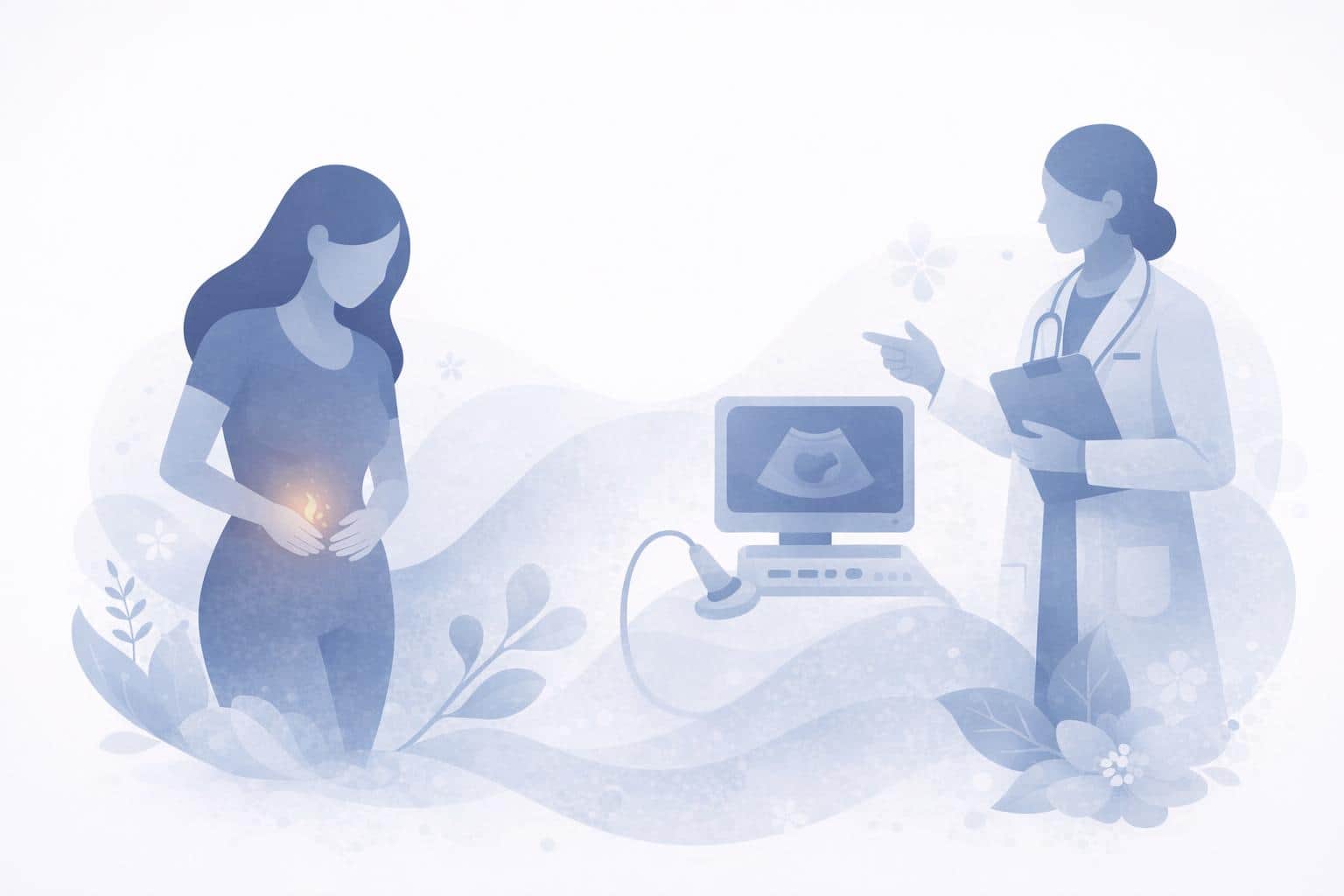
No. Heavy periods can be a symptom of adenomyosis, but they’re not specific to it, and many people with heavy bleeding have a different underlying cause.
Adenomyosis is commonly linked with heavy, painful, and sometimes progressively worsening periods, often alongside pelvic pressure, bloating, or pain with sex. Fibroids (myomas) and other uterine conditions can also drive heavy bleeding and cramping, and it’s possible to have more than one issue at the same time. Our team can help evaluate your bleeding pattern and associated symptoms and discuss whether imaging, medical options, or surgery are the most appropriate next steps—reach out to schedule a consultation if you’d like a personalized plan.
Heavy Periods? Get Expert Insight
Heavy bleeding isn’t always adenomyosis, but it can be a sign. Our specialists help identify the cause and guide you to the right treatment.
Schedule Your EvaluationRelated Symptoms
Related Procedures
Learn More

Do My Symptoms Mean Adenomyosis or Endometriosis?
Discover the truth about endometriosis and adenomyosis symptoms. Understand how common they really are, and gain insights for effective advocacy.
Why Endometriosis and Fibroids Often Show Up Together—And What That Means for You
Explore why endometriosis and fibroids often coexist, their symptoms, and what it means for your health. Get informed on your care options.
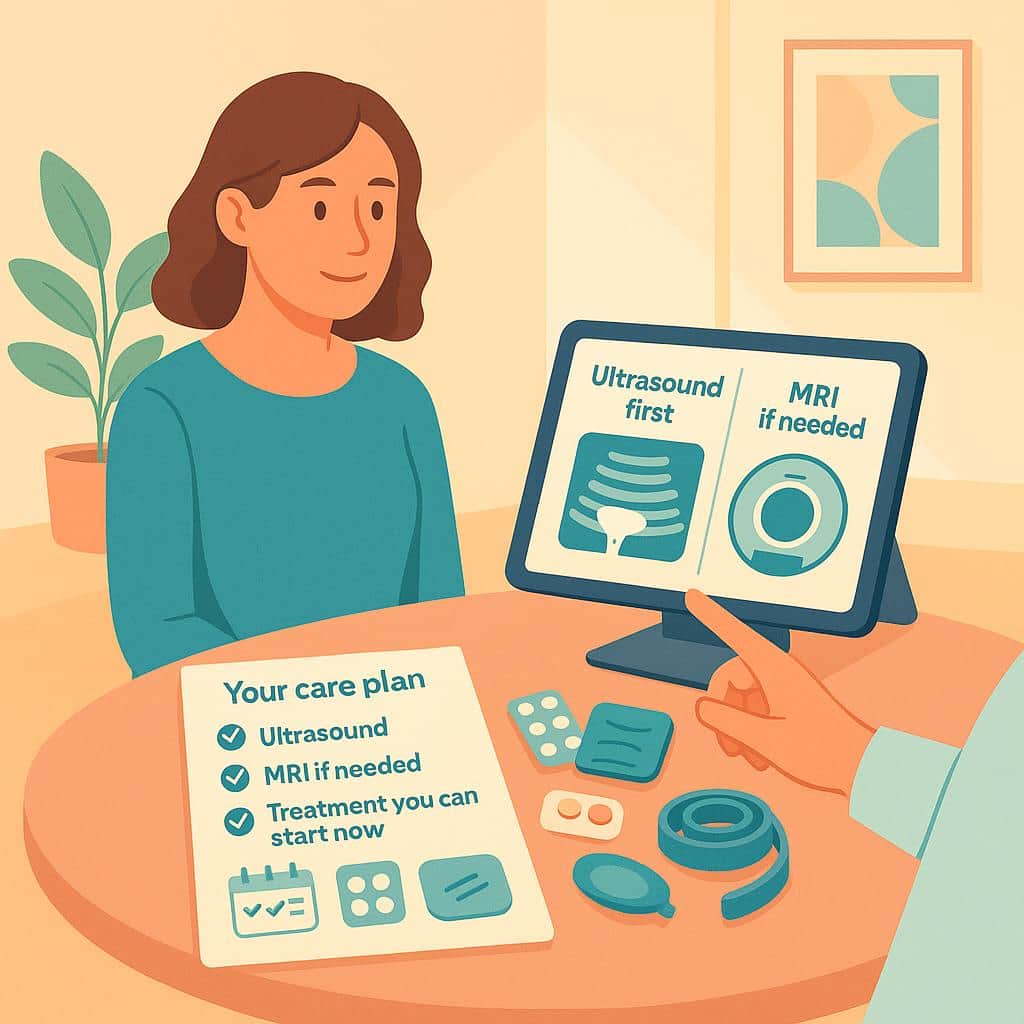
Diffuse Adenomyosis: Diagnosis and Treatment You Can Act On
A clear guide to diffuse adenomyosis: what it means, how TVUS and MRI diagnose it, and practical treatments, from hormonal IUDs to uterus-sparing options.
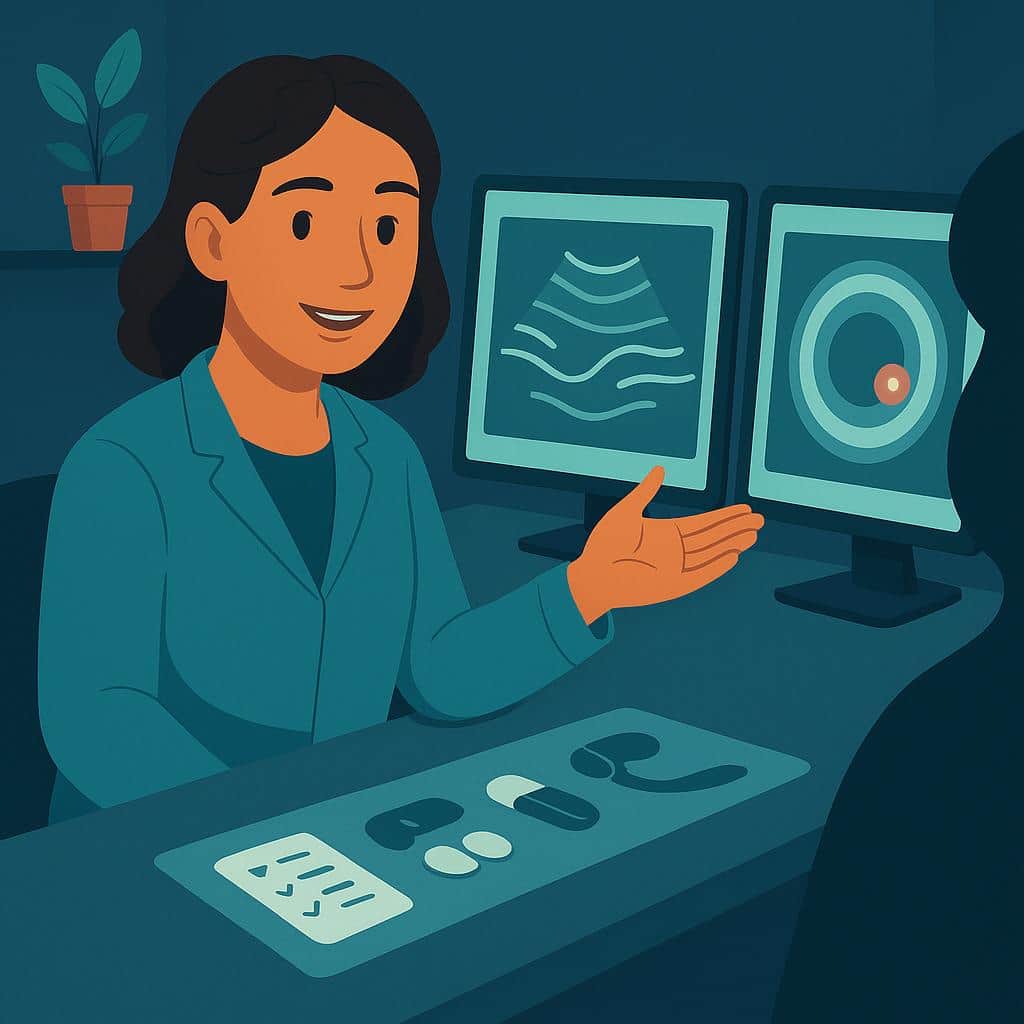
Focal Adenomyosis: What Your Diagnosis Means and Next Steps
Learn what a focal adenomyosis diagnosis means, how TVUS and MRI confirm it, and your options—from medical therapy to uterus‑sparing procedures and hysterectomy.
Related Pages
Evaluation & Diagnosis
At the Lotus Endometriosis Institute, evaluation begins with listening. Our diagnostic process uncovers the true source of pain and related conditions often missed elsewhere.
Adenomyosis
Often missed or not considered, adenomyosis causes heavy bleeding, pain, and fertility challenges. Here’s how we diagnose and treat it.