

You are seeking a diagnosis
Can colonoscopy diagnose bowel endometriosis?
Often, no—colonoscopy does not reliably diagnose bowel endometriosis because many lesions grow on the outside of the bowel or within deeper layers, while the inner lining can look completely normal. Even when symptoms are significant, biopsies taken from the bowel lining may miss disease that isn’t on the surface.
Colonoscopy can still be helpful when symptoms like rectal bleeding are present, because it can evaluate for other conditions inside the bowel. For mapping suspected bowel endometriosis, we more commonly rely on specialized pelvic imaging such as transvaginal or transrectal ultrasound with bowel preparation and pelvic MRI to understand location, depth, and surgical complexity. If you’re wondering whether bowel endometriosis could be contributing to your symptoms, our team can review your history and imaging and walk you through the next best steps.

Related Procedures
Learn More

Overlooked Endometriosis Neighbors: Adenomyosis, Bladder, and Bowel Pain
Discover the link between adenomyosis, bladder, and bowel pain after endometriosis surgery. Learn why you might still feel discomfort and what to do.
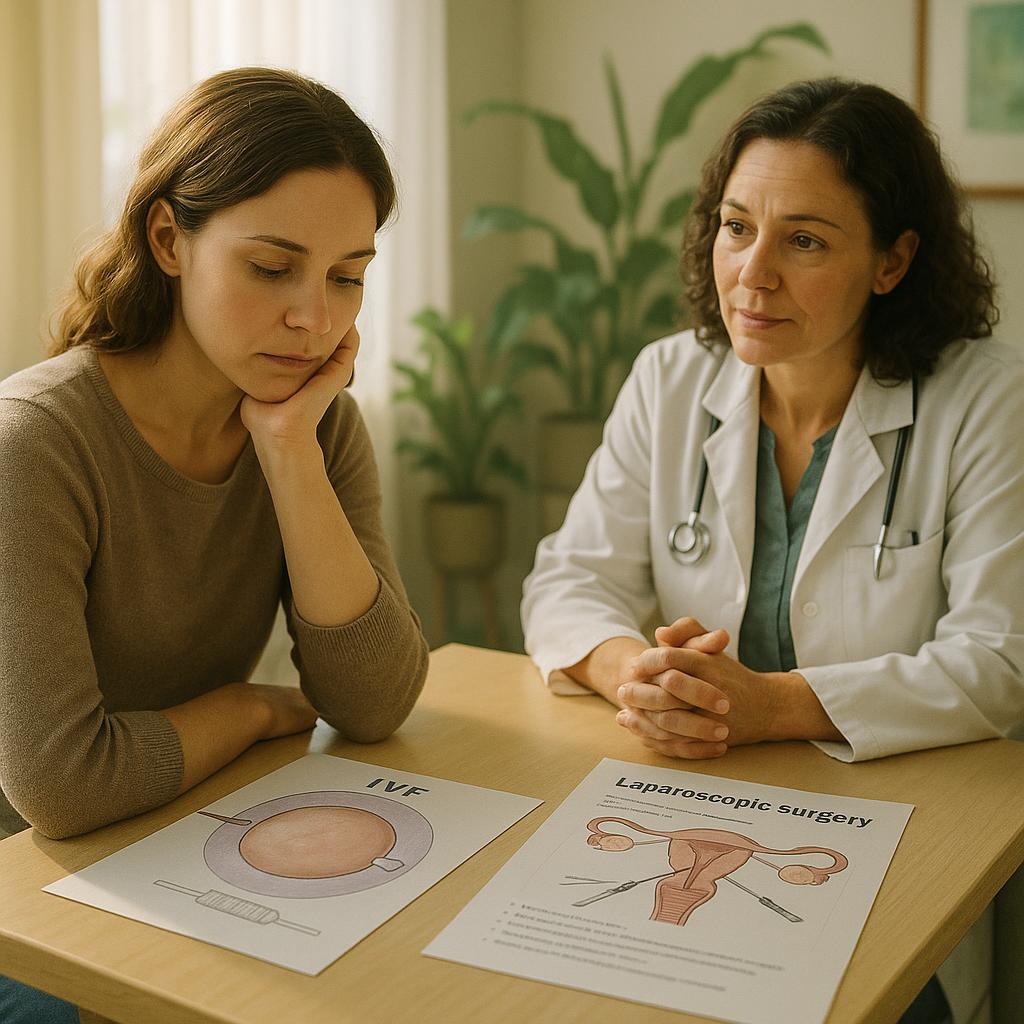
Bowel Endometriosis and Infertility - What Should You Try First?
Explore options for bowel endometriosis and infertility. Understand whether surgery or IVF should be your first step. Get reliable insights now.
When “Appendicitis” Is Endometriosis in Disguise
Right-sided pain that mimics appendicitis may be appendix endometriosis. Symptoms, why scans miss it, how it’s diagnosed, treatment options, and red flags.
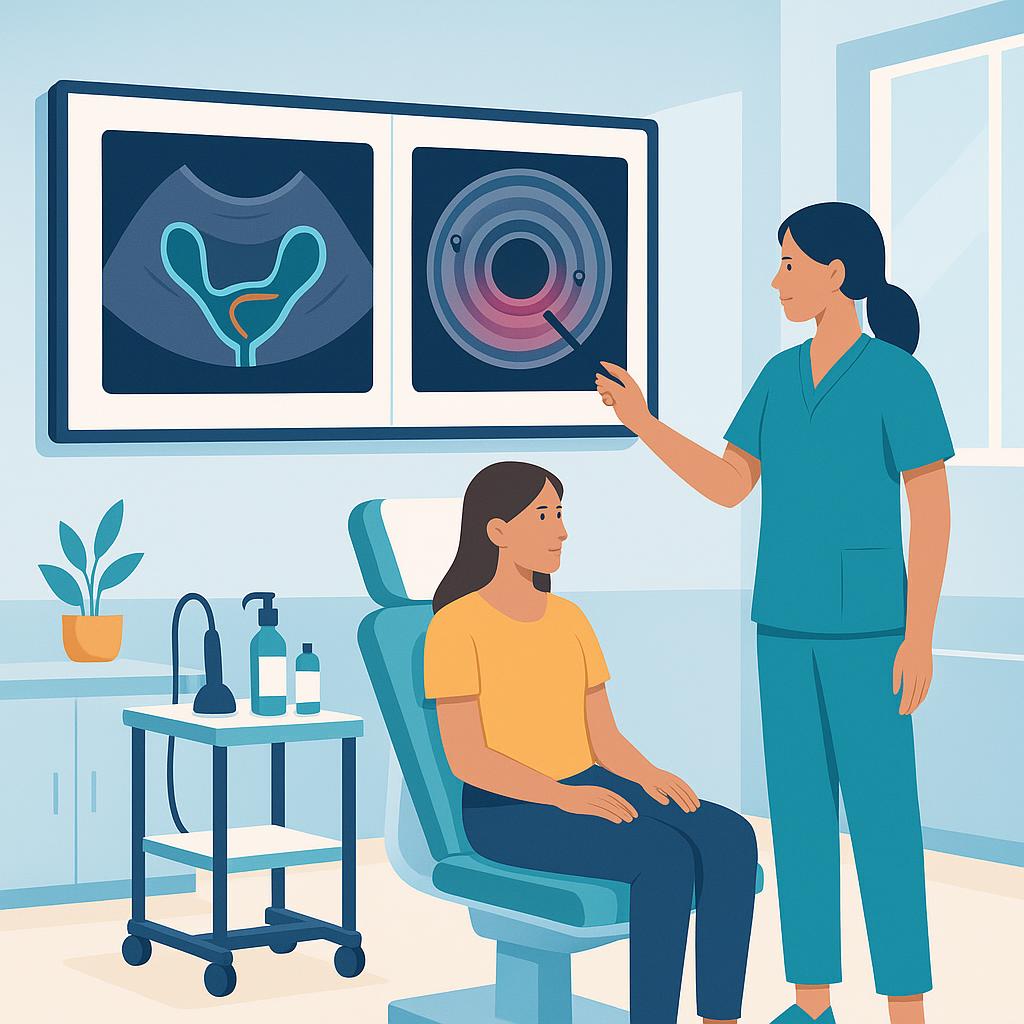
Do You Need Two Ultrasounds Before Bowel Endometriosis Surgery?
How TVS (transvaginal) and ERUS (endorectal) map rectal endometriosis, guide bowel surgery planning, flag stenosis and risks, and who benefits.
Seeking Answers About Your Diagnosis?
Getting an accurate diagnosis is the first step. Our team uses advanced diagnostic techniques to give you clarity.
Schedule a Consultation