
Surgery
How is robotic hysterectomy done, and when is it recommended?
The short answer
Robotic hysterectomy uses small abdominal incisions, robotic-assisted instruments and a camera. Whether it is recommended depends on your symptoms, their cause, prior treatments and fertility goals; severe endometriosis does not automatically require it.
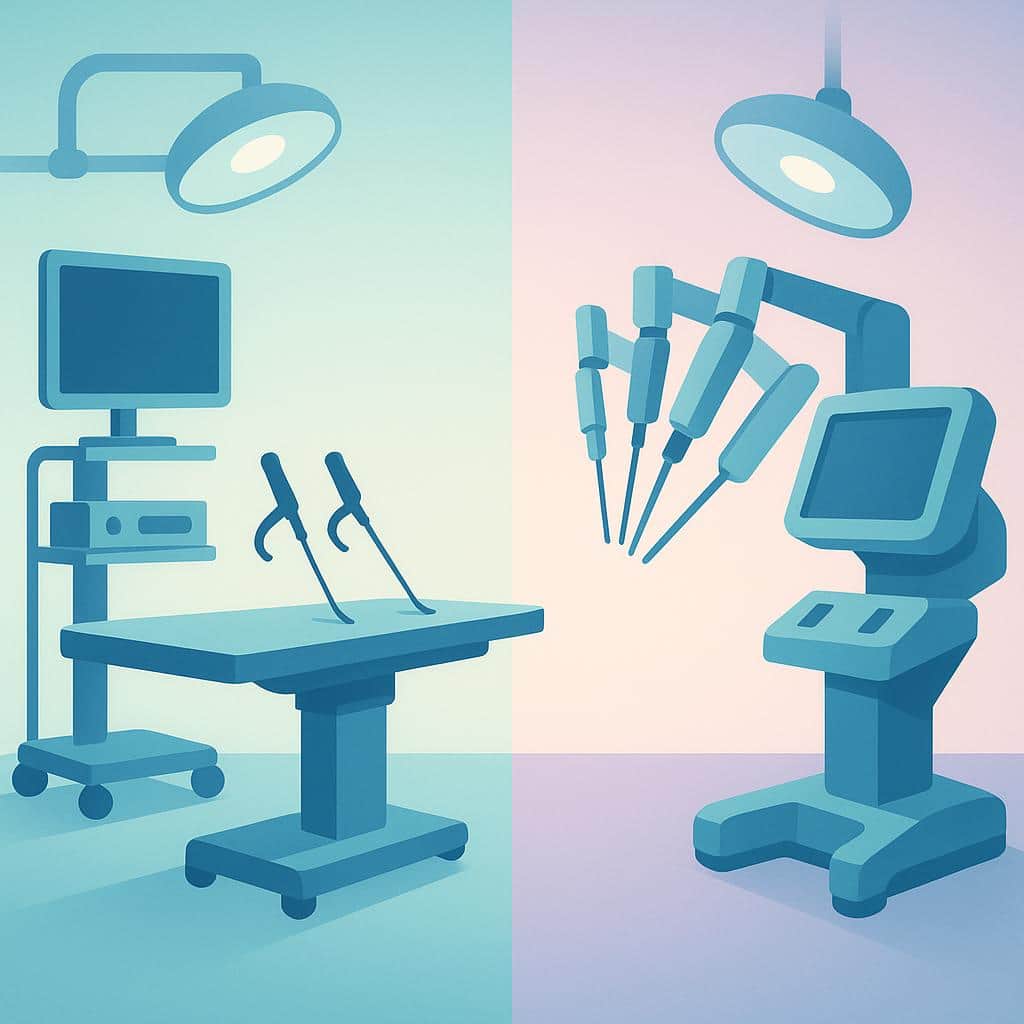
A robotic hysterectomy is a minimally invasive surgery done through a few small incisions in the abdomen. Our team uses robotic-assisted instruments and a high-definition camera to carefully detach the uterus. In many cases, the uterus can be removed through the vagina rather than through a large abdominal incision. This approach is designed to reduce postoperative pain, limit scarring, and support a smoother recovery compared with open surgery.
Whether a hysterectomy is recommended depends on the full picture: your symptoms, what’s driving them (including adenomyosis or other uterine pathology), prior treatments, and your goals for fertility and long-term relief. Even with severe endometriosis, hysterectomy isn’t automatically required, because excision surgery can often treat endometriosis while preserving the uterus. If you’re considering this option, we can review your imaging, history, and surgical priorities with you to help you decide on the most appropriate plan.
Where to go from here
Understand it, compare it with what you're feeling, then talk it through with us.
Step 2 · Compare
Symptoms it can relate to
Step 3 · Speak with Us
Considering Robotic Hysterectomy?
Our specialists tailor surgery recommendations based on your unique symptoms and diagnosis, including adenomyosis. We use advanced robotic techniques to reduce pain and speed your recovery.
Questions people ask next
All surgery questionsWill a hysterectomy cure endometriosis?
A hysterectomy does not necessarily cure endometriosis, because the tissue grows outside the uterus. Removing the uterus alone doesn’t automatically remove endometriosis implants or the inflammation they can drive.
Uterus-sparing surgery vs hysterectomy for adenomyosis: how chosen?
The choice depends on symptom severity, future fertility goals, and the pattern of adenomyosis on imaging. Localized disease may suit uterus-sparing surgery, while hysterectomy may offer the most definitive relief of symptoms from the uterus when symptoms are severe and disease is extensive.
Will a robot do my endometriosis surgery?
No, a robot does not operate on its own during endometriosis surgery. In robotic-assisted surgery, the surgeon stays at the console for the entire procedure and directs every movement in real time; the robot never makes decisions or performs steps independently.
What treatments help avoid hysterectomy?
For many patients, options to avoid hysterectomy include hormonal treatment and non-hormonal medicines to reduce heavy bleeding when appropriate. Treating endometriosis, if present, can help pelvic pain, and correcting iron deficiency can improve fatigue.
Further reading
Conventional Laparoscopy vs Robotic Surgery for Endometriosis and Adenomyosis: What Patients Need to Know
Comparing safety, effectiveness, and recovery — a patient-friendly overview of different surgery approaches and what they can mean for your treatment.
Treating Adenomyosis: From IUDs to Surgery Explained
Explore adenomyosis treatment methods including IUDs and surgeries. Learn which approach is best for pain, bleeding, and fertility.
UAE or Hysterectomy for Adenomyosis Which Feels Better?
Discover which treatment option, UAE or hysterectomy, may provide better relief for adenomyosis symptoms. Understand your choices today!