General
Is hormonal suppression safe while breastfeeding postpartum?
The short answer
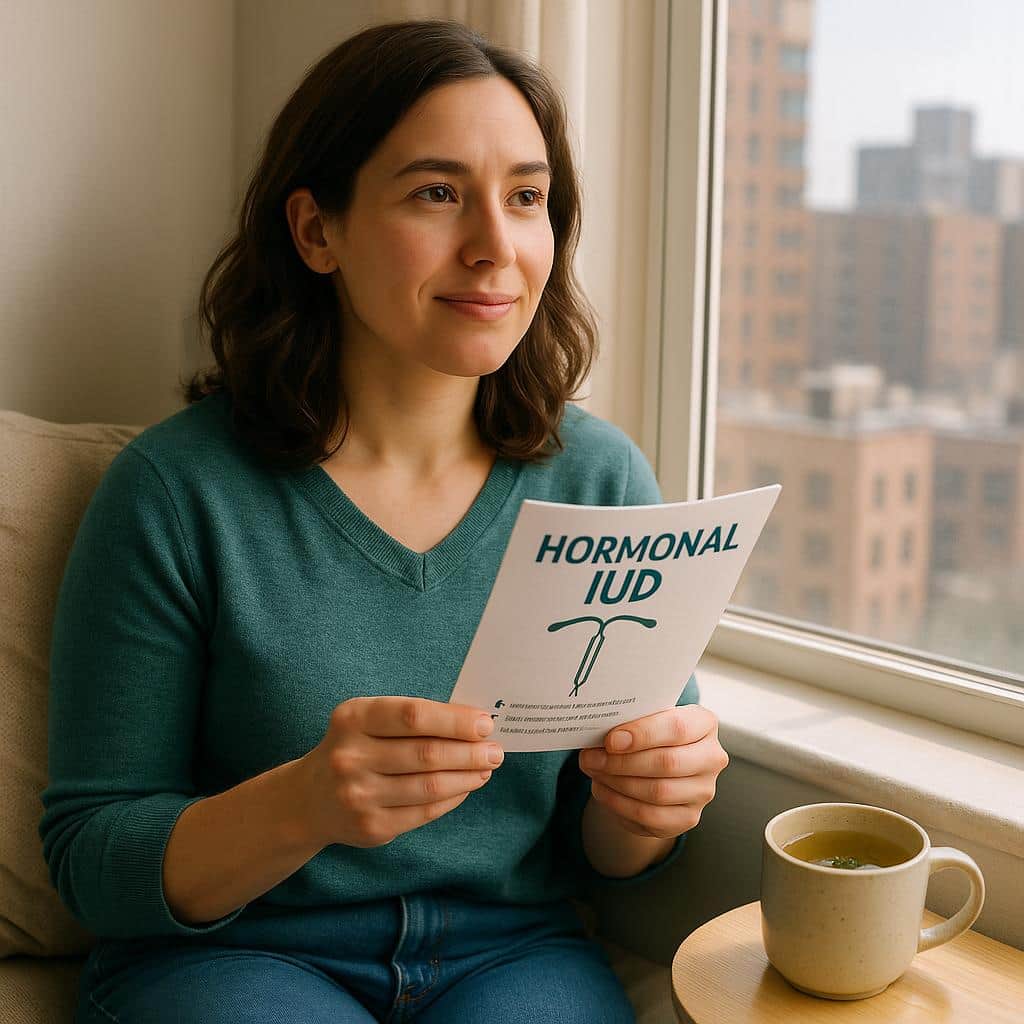
In general, some forms of hormonal suppression can be compatible with breastfeeding, but safety depends on the medication and your goals. Progestin-only options and the levonorgestrel IUD are commonly used postpartum, with more caution for drugs that drastically lower estrogen.
In general, some forms of postpartum hormonal suppression can be compatible with breastfeeding, but safety depends on which medication you’re considering and your goals (pain control, bleeding control, contraception, or all three). Progestin-only options and the levonorgestrel hormonal IUD are commonly used postpartum because they can reduce bleeding and cramping for many patients without the deep, whole-body estrogen suppression that can come with stronger agents.
We’re more cautious with medications designed to drastically lower estrogen (such as GnRH agonists/antagonists), because profound estrogen suppression can carry meaningful side effects and isn’t a long-term solution for endometriosis. It may quiet symptoms without treating the disease. If you’re breastfeeding and symptoms of suspected endometriosis or adenomyosis are returning postpartum, our team can help you weigh symptom relief, lactation goals, side-effect risk, and the broader plan for reaching a lasting diagnosis and treatment pathway.
If you tell us what you’re considering (pill, shot, implant, or IUD, and whether you’re exclusively breastfeeding), we can guide you toward options that fit your postpartum needs while keeping the focus on long-term relief rather than temporary suppression.
Where to go from here
Understand it, compare it with what you're feeling, then talk it through with us.
Step 3 · Speak with Us
Worried About Hormones While Breastfeeding?
Our specialists can guide you on safe hormonal options that support both your breastfeeding goals and postpartum health. We'll help tailor a treatment plan for pain, bleeding, and contraception that fits your needs.
Questions people ask next
All general questionsCan birth control pills or IUDs help endometriosis or adenomyosis?
Yes, birth control pills and the levonorgestrel IUD can help many patients with endometriosis or adenomyosis by reducing heavy bleeding and period-related pelvic pain. They can quiet symptoms during use, but don’t remove endometriosis lesions or reverse adenomyosis.
Does breastfeeding reduce endometriosis recurrence?
Breastfeeding can temporarily quiet endometriosis activity for some people, but recurrence can still happen once normal cycles resume. It can mean fewer symptoms while you’re lactating, but it does not remove endometriosis lesions or heal the underlying disease.
Will a hormonal IUD help adenomyosis, and affect future fertility?
A hormonal IUD can reduce heavy bleeding and period pain from adenomyosis without permanently reducing fertility. Ovulation and the ability to conceive typically return soon after removal, though symptom relief can be less complete with severe or diffuse adenomyosis.
Further reading
Can the Hormonal IUD Tame Your Adenomyosis Pain and Bleeding?
Discover how the hormonal IUD may alleviate adenomyosis pain and heavy bleeding for better quality of life. Learn about this treatment option now!
Non-hormonal Options for Endometriosis Pain: What’s Actually Worth Trying?
Discover evidence-based nonhormonal treatments for endometriosis pain. Find options you can try now for effective symptom management.