
Symptoms
Neuropathic pelvic pain vs cramps: how can you tell the difference?
The short answer
Neuropathic pelvic pain often feels burning, electric, shooting, or like pins-and-needles, while typical menstrual cramps are usually deep and achy. Nerve pain may show up outside bleeding days, with skin tenderness or pain from light touch.
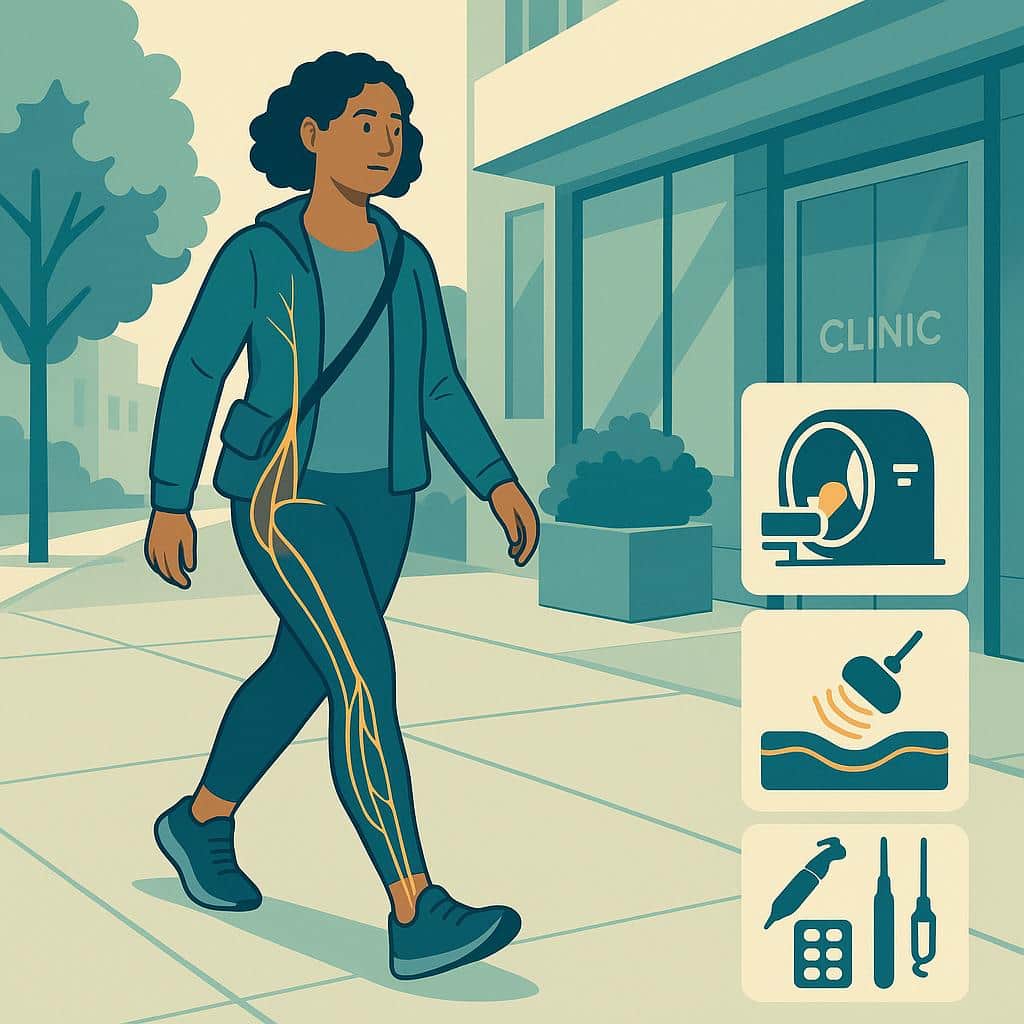
Neuropathic pain comes from irritated or sensitized nerves, so it often feels burning, electric, shooting, stabbing, or like pins-and-needles. Many people also notice skin tenderness or pain from light touch. It may show up outside of bleeding days, unlike typical menstrual cramps, which are usually deep, achy, and more closely tied to uterine contractions.
In endometriosis and adenomyosis care, neuropathic pain can develop when nerves are inflamed, compressed, or affected over time, and it may persist even after the cycle ends. Because the driver is nerve signaling rather than cramping alone, evaluation and treatment planning often differ from those for period cramps. If the quality of your pain sounds neuropathic or doesn’t match a cramp pattern, our team can help you sort out the likely sources and build a plan that targets what’s actually causing your symptoms.
Where to go from here
Understand it, compare it with what you're feeling, then talk it through with us.
Step 1 · Understand
Understand the condition
Step 2 · Compare
Symptoms it can relate to
Step 3 · Speak with Us
Is Your Pelvic Pain Nerve-Related?
If your pain feels burning, shooting, or like pins-and-needles, it could be neuropathic rather than typical cramps. Our specialists understand these unique symptoms and can help diagnose and manage your pain effectively.
Questions people ask next
All symptoms questionsHow is neuropathic pelvic pain evaluated, and when is it urgent?
Neuropathic pelvic pain is evaluated by reviewing symptoms and examining sensation and pelvic floor muscles; imaging may help. It is urgent with new leg weakness, foot drop, saddle-area numbness, fever with severe back pain, or sudden inability to pass urine or stool.
Why does pelvic nerve pain persist between periods or spread?
Pelvic nerve pain can persist between periods or sometimes feel like it’s spreading because repeated pain can make the nervous system more sensitive. Pelvic floor muscle guarding and shared nerve pathways between organs can keep the pain cycle going.
Can endometriosis irritate or entrap pelvic nerves?
Yes, endometriosis can irritate, inflame, or tether pelvic nerves, especially when it grows deeply into tissues. When lesions are near nerves, symptoms can include cyclical sciatica-like leg pain, genital burning, or sharp shooting pain in the rectum or vagina.
How can I tell if my period cramps are abnormal?
Period cramps may be abnormal if they start before bleeding, worsen over time, or don’t meaningfully improve with NSAIDs and heat. Cramps that regularly disrupt school, work, sleep, or daily activities are a key red flag; heavy or prolonged bleeding with clots also matters.
Further reading
Different Types of Endometriosis Pain Explained
Explore types of endometriosis pain, evaluation, and evidence-based treatments, including triggers, pelvic floor therapy, CNS sensitization, and adenomyosis.
Sciatic Nerve Endometriosis: Diagnosis and Treatment
Sciatic nerve endometriosis explained: key symptoms, how it's diagnosed (exam, MRI), and effective treatments including medication, PT, and surgical excision.
What Else Could It Be? Ruling Out Other Causes
Explore essential insights on endometriosis and other causes of pelvic pain. Learn about differential diagnoses and effective treatment options.