Surgery
What pain and swelling are normal after laparoscopy or excision?
The short answer
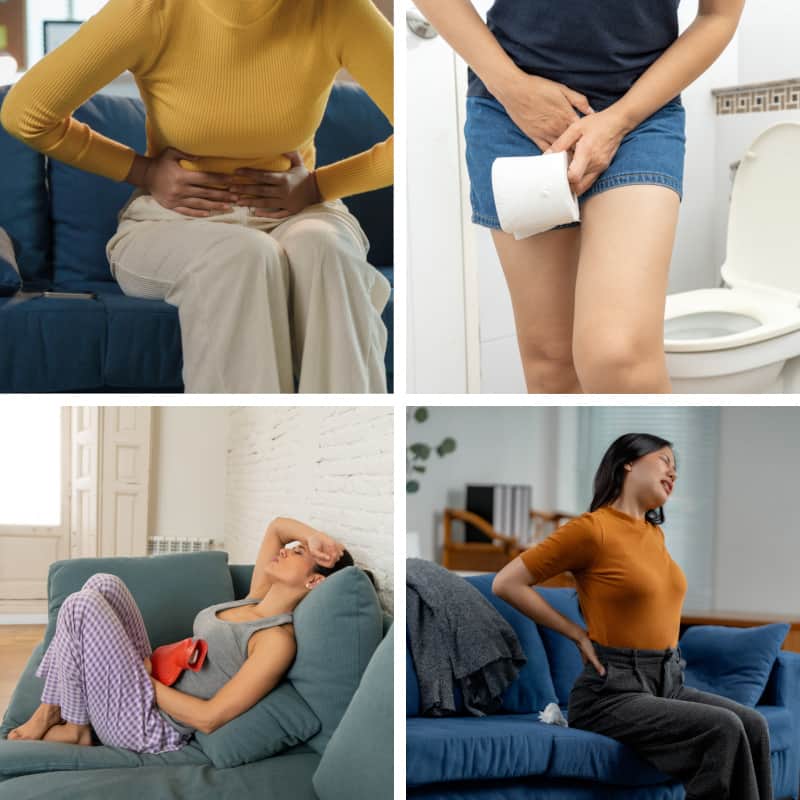
Incision soreness, period-like cramping, bloating and abdominal swelling are normal after laparoscopy or excision. Many patients also feel shoulder-tip pain from surgical gas, and discomfort and swelling are expected to improve day by day.
It’s normal to have soreness around the incisions, period-like cramping, bloating, and a feeling of abdominal swelling after laparoscopy or excision. Many patients also feel shoulder-tip pain from the gas used during surgery. These symptoms are usually most noticeable in the first few days. Overall, we expect discomfort and swelling to improve steadily day by day.
We want to hear from you right away if symptoms are worsening instead of improving after about day 3–4, or if you develop a fever, foul-smelling or pus-like drainage from an incision, heavy vaginal bleeding, new calf swelling, or any shortness of breath. These can be signs of complications that need prompt evaluation. Our team can guide you on what to do next based on your specific surgery and symptoms.
Where to go from here
Understand it, compare it with what you're feeling, then talk it through with us.
Step 2 · Compare
Symptoms it can relate to
Step 3 · Speak with Us
Concerned About Post-Surgery Pain?
It's normal to experience soreness, cramping, and swelling after surgery, but your comfort should improve daily. Our specialists can help monitor your recovery and address any complications promptly.
Questions people ask next
All surgery questionsWhen is pelvic pain an emergency after surgery?
Pelvic pain after surgery is urgent when it’s severe, rapidly worsening, or out of proportion to earlier recovery. It’s an emergency with fever or chills, heavy vaginal bleeding, fainting, new chest pain or shortness of breath, or increasing belly swelling or a hard, tender belly.
How do I relieve gas-related shoulder pain after laparoscopy?
Gentle, frequent walking, changing positions, and heat on the shoulder or upper back tend to help relieve gas-related shoulder pain after laparoscopy. Some people also get relief from sitting upright, supportive pillows, and taking post-op pain medication on schedule.
How long is recovery after endometriosis excision surgery?
Most patients can do light, gentle activities within a few days after endometriosis excision surgery. Many people can return to typical day-to-day routines over the next several weeks, depending on the extent and locations of disease treated and their work.
How can I tell if I have an infection after surgery?
Worsening pain, spreading redness or warmth, increasing swelling, cloudy or foul-smelling drainage, or an incision starting to separate raise concern for infection after surgery. Fever, chills, or new pelvic or abdominal pain that escalates can also be warning signs.
Further reading
Life Beyond Endometriosis Surgery: Recovery & Well-Being
Your guide to endometriosis surgery recovery: healing tips, nutrition, mental health support, recurrence prevention, and planning for long-term wellness.
What to Expect Before, During, and After Endometriosis Surgery
Discover what to expect before, during, and after endometriosis surgery. Insights on pain relief, preparation, recovery from reliable recent research.
What Now? Your Post‑Endometriosis Surgery Pain Investigation Plan
Discover an investigation plan for post-surgery pain after endometriosis. Learn effective tracking methods to communicate with your care team.