

You are seeking a diagnosis
Adenomyosis vs endometriosis: what symptoms suggest adenomyosis?
Heavy or prolonged menstrual bleeding (often with clots), intense cramping, and a uterus that feels enlarged or tender are symptoms that more strongly suggest adenomyosis. Many patients also describe a deep, pressure-like pelvic ache that can be worst during their period.
Endometriosis more often shows up as pelvic pain that isn’t limited to bleeding days, including pain with sex or pain related to bowel or bladder function, although there can be significant overlap and many people have both. Because symptoms alone can’t reliably separate the two, our team typically uses a detailed history plus targeted imaging—most often ultrasound and/or MRI—to look for adenomyosis features and to assess for coexisting endometriosis; if your symptoms fit this pattern, you can reach out to schedule a consultation.

Related Symptoms
Related Procedures
Learn More

Supplements and Herbal Medicines for Endometriosis and Adenomyosis: What Evidence Exists?
Explore the effectiveness of supplements and herbal medicines for endometriosis and adenomyosis. What does the evidence say?

Focal Adenomyosis: What Your Diagnosis Means and Next Steps
Learn what a focal adenomyosis diagnosis means, how TVUS and MRI confirm it, and your options—from medical therapy to uterus‑sparing procedures and hysterectomy.
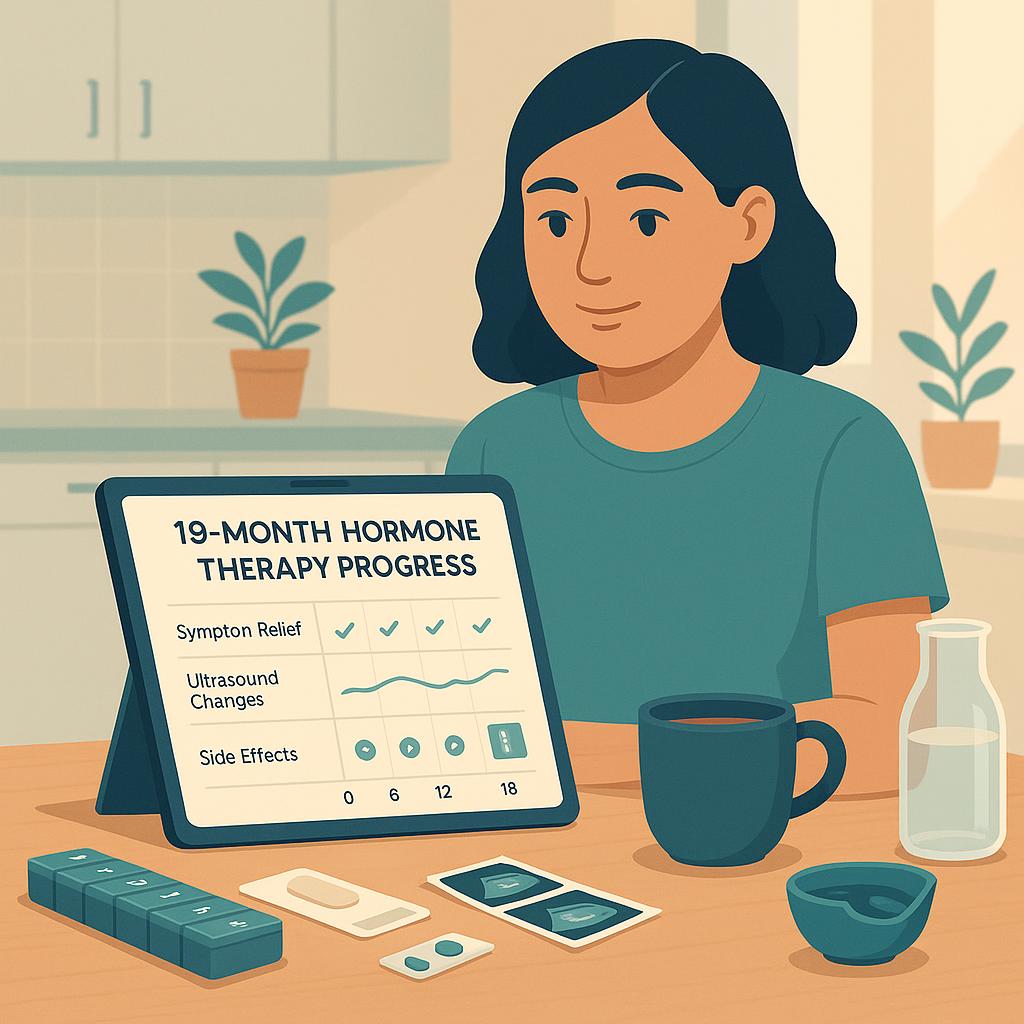
Can Hormone Treatment Calm Adenomyosis Symptoms Over Time? What an 18 Month Follow Up Study Found
We break down an 18‑month follow‑up of hormone therapy for adenomyosis: who was studied, symptom trends, ultrasound changes, side effects, and key limitations.
Seeking Answers About Your Diagnosis?
Getting an accurate diagnosis is the first step. Our team uses advanced diagnostic techniques to give you clarity.
Schedule a Consultation