
General
Autoimmune conditions that coexist with endometriosis: when to test?
The short answer
Persistent fatigue out of proportion to sleep, heat or cold intolerance, chronic diarrhea, joint pain with swelling or morning stiffness, or dry eyes or mouth warrant a closer look for autoimmune conditions. Testing is based on your symptoms, often starting with thyroid and celiac screening.
Some autoimmune conditions are reported more often alongside endometriosis, including autoimmune thyroid disease, celiac disease, rheumatoid arthritis, psoriasis, lupus, and Sjögren’s. This doesn’t mean endometriosis causes these conditions, but overlapping immune-driven inflammation can make symptoms hard to distinguish and delay clear answers.
Symptoms that commonly warrant a closer look include persistent fatigue out of proportion to sleep, heat or cold intolerance, hair thinning or loss, ongoing digestive symptoms (especially chronic diarrhea), joint pain with swelling or morning stiffness, rashes that worsen with sun exposure, dry eyes or dry mouth, and unexplained weight change. If you have these symptoms, our team can help you decide which labs are most appropriate, often starting with thyroid testing with TSH and thyroid antibodies, celiac screening with tTG-IgA and total IgA, and targeted inflammatory or antibody testing based on your symptoms. We can also coordinate next steps as part of a comprehensive evaluation.
Where to go from here
Understand it, compare it with what you're feeling, then talk it through with us.
Step 3 · Speak with Us
Suspect More Than Endometriosis?
If you experience unusual fatigue, joint pain, or digestive issues along with endometriosis symptoms, it might be time to explore autoimmune testing. Our specialists can help pinpoint overlapping conditions to tailor your treatment effectively.
Questions people ask next
All general questionsCan endometriosis cause arthritis-like joint pain?
Yes, endometriosis can be associated with arthritis-like joint pain in some people. Whole-body inflammation may show up as aching or stiffness, but the association does not prove causation, and persistent joint pain deserves evaluation for other conditions.
Is endometriosis an autoimmune disease?
No, endometriosis is not currently classified as an autoimmune disease. It often involves chronic inflammation and changes in how the immune system responds to endometrial-like tissue outside the uterus, and some patients also have autoimmune conditions.
Why do people with endometriosis often have other conditions?
The genetics, inflammation and immune-system problems involved in endometriosis may also make the body more prone to other inflammation-related or immune-associated conditions. Endometriosis can involve multiple organs, so symptoms may reflect more than one process.
Further reading
Endometriosis and Autoimmune Disease: Understanding the Link
Explore how immune dysfunction may link endometriosis to autoimmune diseases such as lupus, RA, thyroid disease, celiac, MS, and IBD - evidence and care.
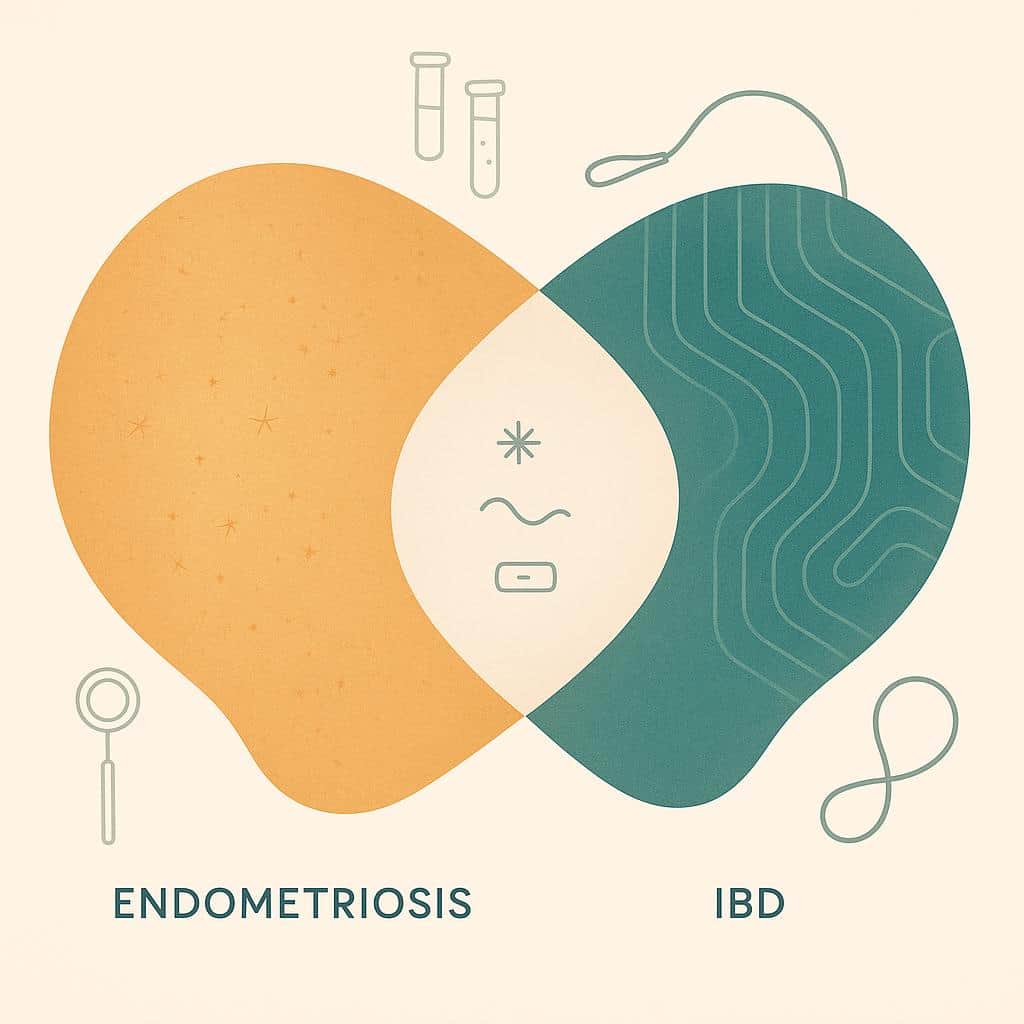
Endometriosis or Inflammatory Bowel Disease? The Key Differences
How endometriosis and inflammatory bowel disease differ and overlap. Symptoms, diagnostic challenges, epidemiology, treatment risks, and research gaps.
The Overlap Between Lupus and Endometriosis
Explore the link between lupus (SLE) and endometriosis: outcomes, key results, clinical implications, and priorities for future research.