
Deep Disease
Can adenomyosis cause bladder pain or spasms?
The short answer
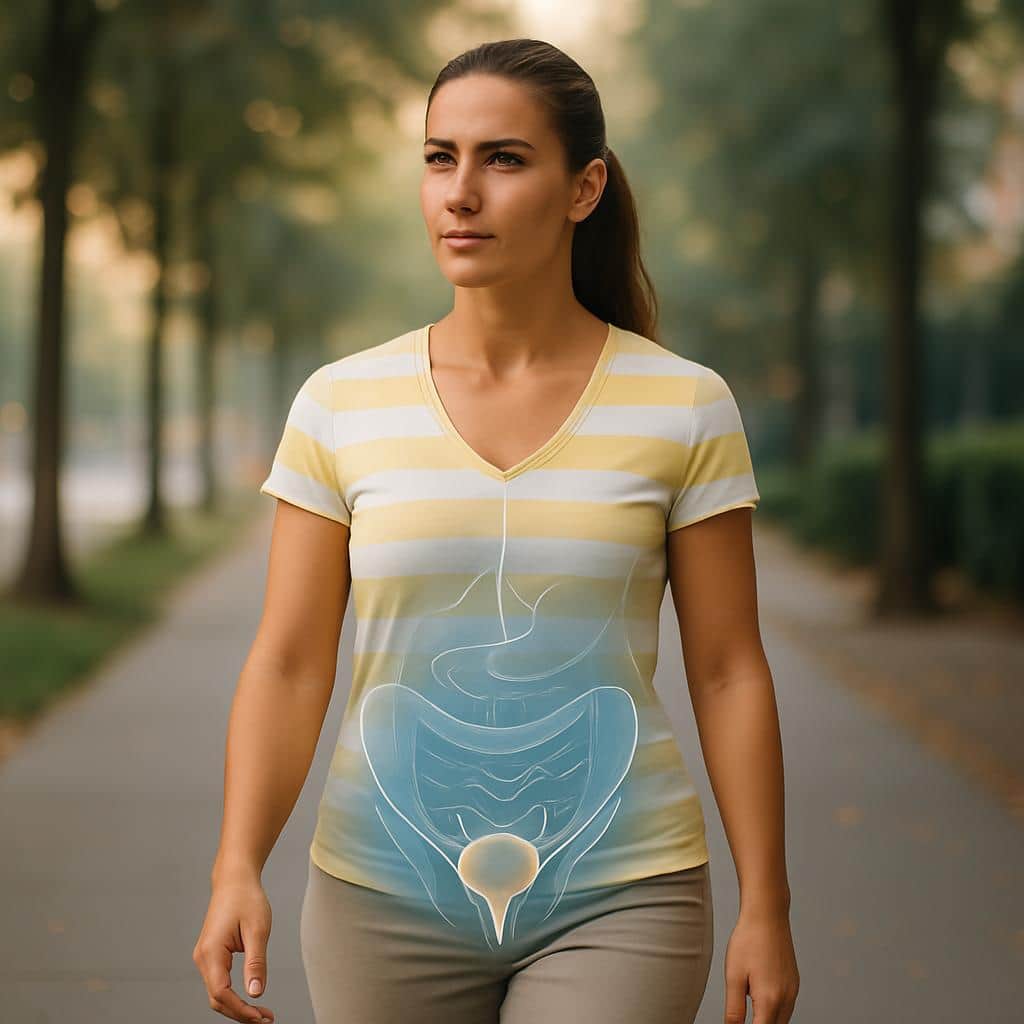
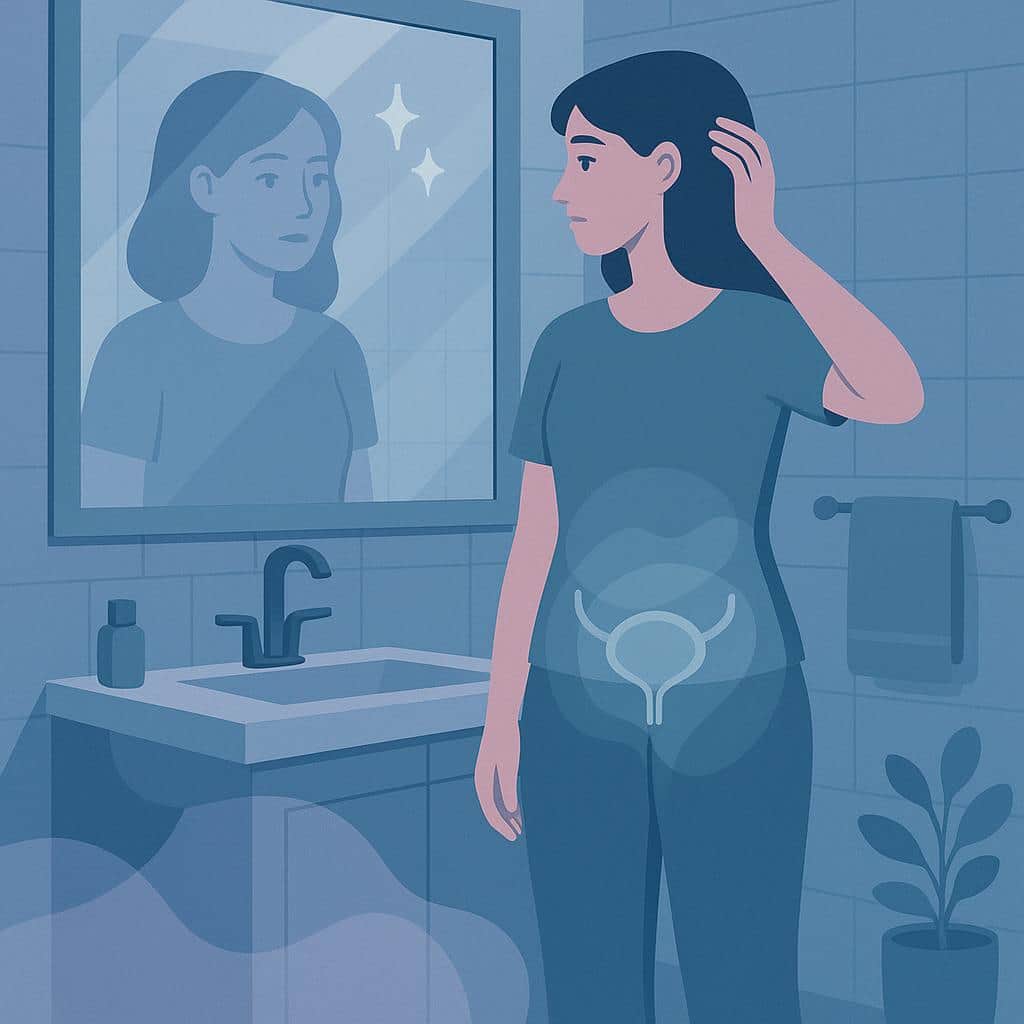
Yes, adenomyosis can be associated with bladder pain, pressure, and spasm-like sensations, even though it stays within the uterine muscle. An inflamed uterus can cause pain that feels like bladder pain, but bladder symptoms can also point to a separate, overlapping condition.
Yes, adenomyosis can be associated with bladder pain, pressure, and even spasm-like sensations, though adenomyosis itself stays within the uterine muscle. When the uterus is inflamed and tender (and sometimes enlarged), it can create a deep pelvic ache or heavy pressure that feels like it’s coming from the bladder because these organs sit close together and share overlapping nerve pathways.
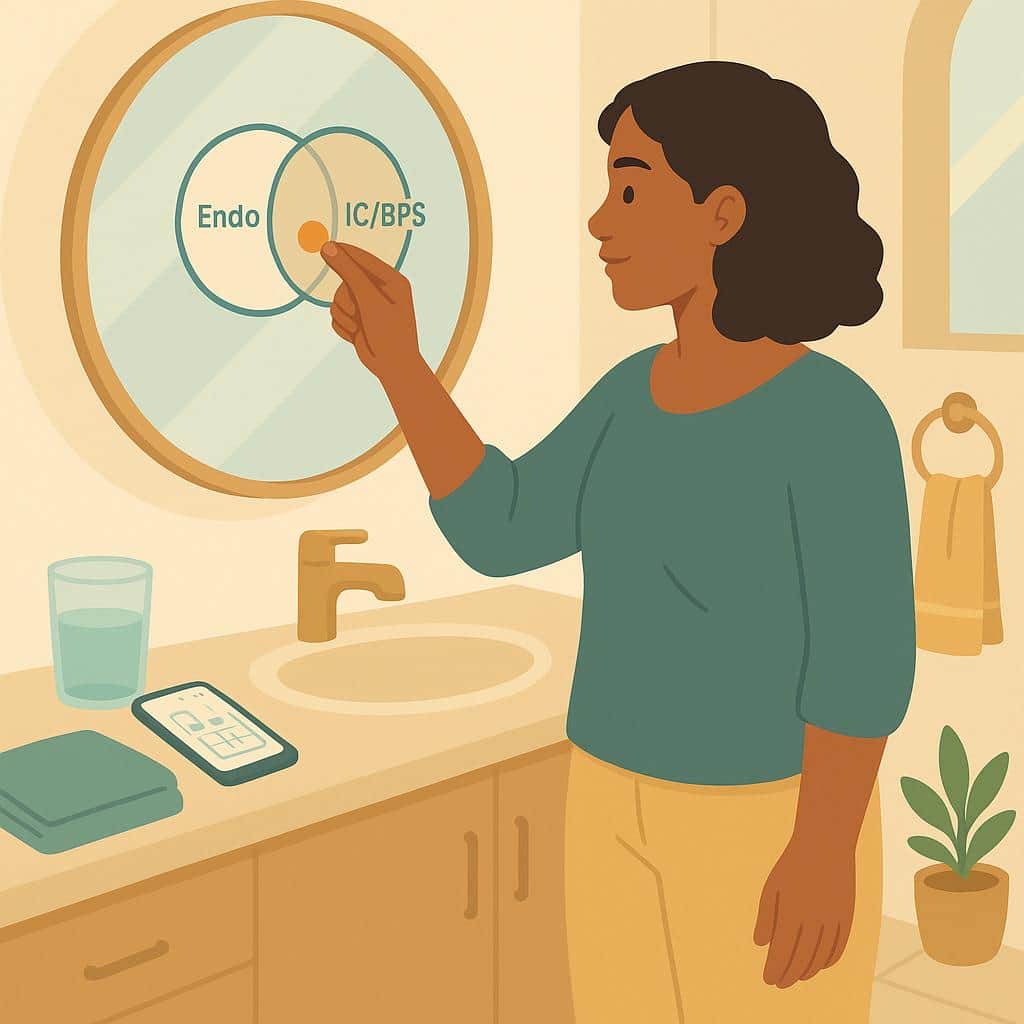
That said, bladder symptoms aren’t always explained by adenomyosis alone. Urgency, frequency, urethral burning, pain that worsens as the bladder fills, or symptoms that persist even when period pain is treated can point to a separate but commonly overlapping condition, such as bladder pain syndrome (sometimes called interstitial cystitis), pelvic floor muscle overactivity, or endometriosis involving the bladder area.
If you’re noticing bladder pain or spasms alongside heavy bleeding, severe cramps, or pain with sex, our team can help you sort out whether adenomyosis is the primary driver, a co-condition, or part of a larger chronic pelvic pain picture. Reach out to schedule a consultation so we can review your symptom pattern and imaging, and map out a plan that targets the true sources of your pain.
Where to go from here
Understand it, compare it with what you're feeling, then talk it through with us.
Step 3 · Speak with Us
Bladder Pain from Adenomyosis?
If you’re experiencing bladder pain or spasms, our specialists understand how adenomyosis can cause these deep pelvic symptoms. We’re here to help diagnose the cause and provide relief tailored to you.
Questions people ask next
All deep disease questionsCan adenomyosis cause bladder pressure or urgency?
Yes, adenomyosis can contribute to bladder pressure and urinary urgency when an enlarged, tender uterus presses against the bladder. Inflammation and cramping can also trigger pelvic floor muscle tightening, which may amplify urgency or pressure.
How is painful urination evaluated with suspected endometriosis?
Evaluation of painful urination with suspected endometriosis includes reviewing symptoms and cycle patterns, urine tests, and a pelvic exam when appropriate. Ultrasound and sometimes MRI can be useful, but normal imaging does not rule out endometriosis.
Is pelvic pain always caused by endometriosis or adenomyosis?
No, pelvic pain is not always caused by endometriosis or adenomyosis. Other causes can include pelvic floor dysfunction, bladder pain syndrome, bowel disorders, fibroids, ovarian cysts or infections, and more than one issue can be present at the same time.
Further reading
Overlooked Endometriosis Neighbors: Adenomyosis, Bladder, and Bowel Pain
Discover the link between adenomyosis, bladder, and bowel pain after endometriosis surgery. Learn why you might still feel discomfort and what to do.
Endometriosis and Bladder Pain - Why Your Pelvic Pain Persists
Pelvic pain despite endometriosis treatment? Learn the bladder pain syndrome (IC/BPS) overlap, signs your bladder is involved, and next steps for relief.
Bladder Endometriosis: Symptoms, Diagnosis, and Treatment Options
Learn about bladder endometriosis, its symptoms, diagnosis, and treatment options. Understand the complexities to find effective pain management solutions.