Symptoms
Can adenomyosis cause fatigue?
The short answer
Yes, adenomyosis can contribute to fatigue. Heavy or prolonged bleeding can lead to iron deficiency, with or without anemia, while pelvic pain, inflammation, and sleep disrupted by cramping or pressure can also leave you feeling exhausted.
Yes, adenomyosis can contribute to fatigue, even though it’s not always the first symptom people associate with it. When adenomyosis causes heavy or prolonged bleeding, iron deficiency (with or without anemia) can leave you feeling drained, weak, or foggy. Ongoing pelvic pain and inflammation can also be physically exhausting, and sleep disrupted by cramping or pressure can compound low energy.
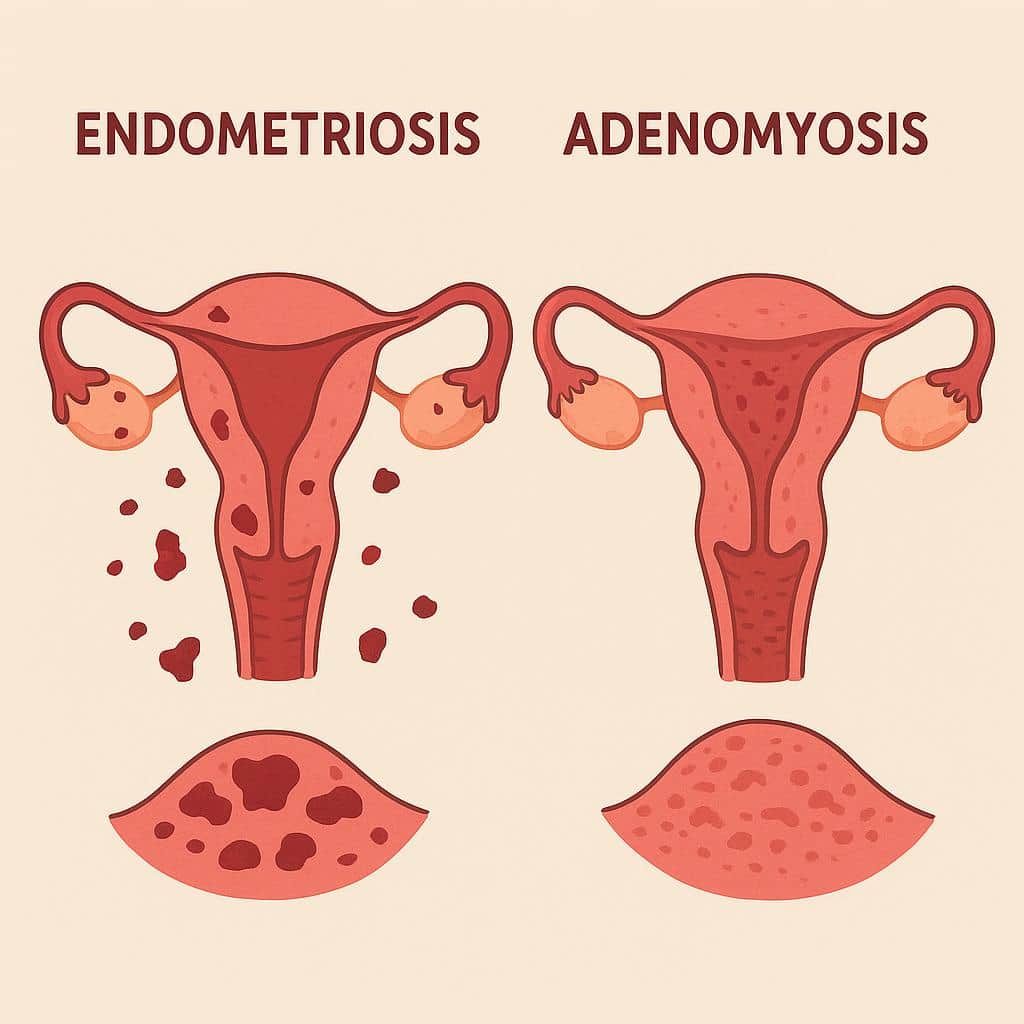
Fatigue can be even more pronounced when adenomyosis overlaps with endometriosis, which is common and can intensify pain and bleeding patterns. Because fatigue has many possible drivers, we look at the whole picture (your cycle history, bleeding volume, pain pattern, imaging, and labs such as iron stores) to avoid missing another treatable cause. If fatigue is affecting your daily life, reach out to schedule a consultation so our team can help clarify what’s fueling it and develop a plan that addresses the root problem, not just the symptom.
Where to go from here
Understand it, compare it with what you're feeling, then talk it through with us.
Step 3 · Speak with Us
Feeling Exhausted? It Could Be Adenomyosis
Fatigue is a real symptom linked to adenomyosis, often due to heavy bleeding and pain. Our specialists can help diagnose and manage your symptoms effectively.
Questions people ask next
All symptoms questionsWhat labs help explain fatigue with heavy periods?
A complete blood count (CBC) and iron studies, including ferritin, help show whether anemia or low iron could be contributing to fatigue with heavy periods. Depending on your symptoms, checking thyroid function, vitamin B12 and vitamin D can also be reasonable.
Does adenomyosis cause fatigue differently than endometriosis?
Yes, fatigue can show up differently: heavy bleeding with adenomyosis can lead to iron deficiency or anemia, while endometriosis fatigue is often tied to chronic pain, poor sleep, and inflammation. Many patients have both conditions, so fatigue can have multiple causes.
Can adenomyosis make you feel short of breath?
Adenomyosis can contribute to shortness of breath, most often through heavy, prolonged menstrual bleeding that can lead to iron-deficiency anemia. With less hemoglobin to carry oxygen, you may feel winded with activity, sometimes even at rest.
How do I explain fatigue when I “look fine”?
You can explain that endometriosis and adenomyosis are inflammatory conditions that can affect your whole body, even when you look okay. It can help to give examples, like needing recovery time after errands or choosing between tasks because your energy is limited.
Further reading
Endometriosis Fatigue : A Practical Guide to Relief
Understand why endometriosis drains energy—chronic pain, hormones, poor sleep, anemia, inflammation—and get practical tips for fatigue, pain, stress, and daily function.
Do My Symptoms Mean Adenomyosis or Endometriosis?
Discover the truth about endometriosis and adenomyosis symptoms. Understand how common they really are, and gain insights for effective advocacy.
Endometriosis and Adenomyosis: How They Drive Pelvic Pain
Compare endometriosis and adenomyosis: similarities, differences in location and prevalence, diagnosis methods, and treatment options for pelvic pain.