Symptoms
Can endometriosis cause a pulling or tugging sensation?
The short answer
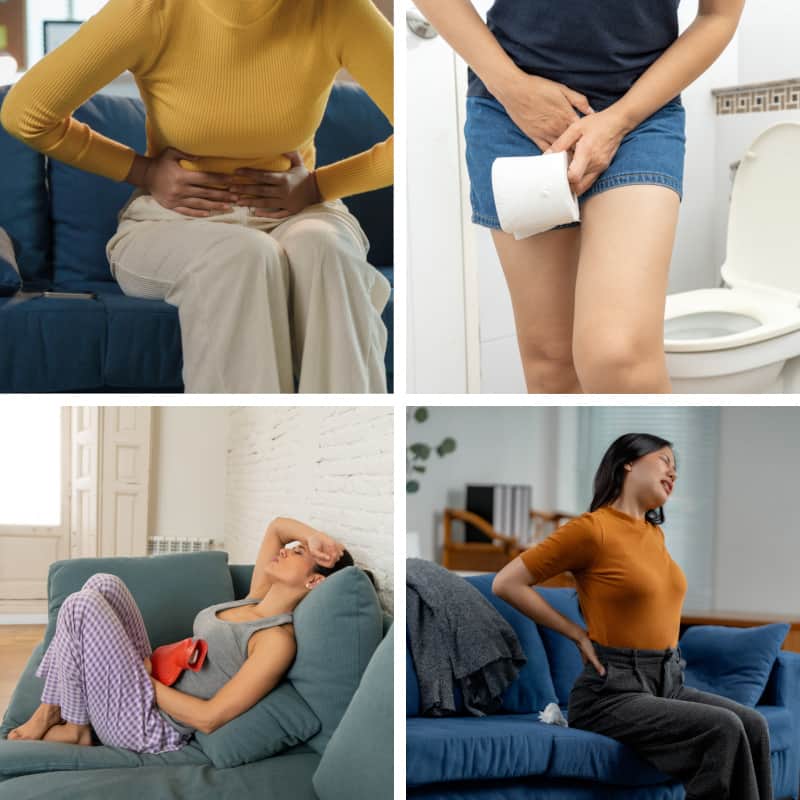
Yes, endometriosis can cause a pulling or tugging sensation in the pelvis or lower abdomen. This often comes from inflammation and scar-like tissue that can tether organs together, so stretching, twisting, bowel movements, or sex may feel like pulling.
Medically reviewed by Dr. Steven Vasilev MD
Advanced Endometriosis Minimally-Invasive Robotic Excision Surgeon, Director of Lotus Endometriosis Institute · Updated Oct 2026
Yes, endometriosis can cause a pulling, tugging, or “stuck” sensation in the pelvis or lower abdomen. This often comes from inflammation and fibrosis (scar-like tissue) that can tether organs to each other or to the pelvic sidewall, so movements like standing upright, stretching, twisting, bowel movements, or sex may feel like something is being pulled.
That pulling sensation can also show up alongside other endometriosis patterns: pain that worsens around your period or ovulation, deep pain with intercourse, bowel or bladder pain, or a feeling of pressure and heaviness. Because endometriosis can involve many structures (including bowel, bladder, ureters, and deeper pelvic tissues), the exact “tug” you feel can hint at where disease may be affecting anatomy and nerves.
If you’re noticing this symptom, we encourage you to track when it happens (cycle timing, specific movements, bowel/bladder activity) and what else comes with it: those details help us map likely sources and plan a targeted evaluation. When appropriate, minimally invasive excision surgery can both confirm the diagnosis (with biopsy) and remove tethering disease to relieve symptoms. Reach out to schedule a consultation with our team to talk through your history and options.
Where to go from here
Understand it, compare it with what you're feeling, then talk it through with us.
Step 1 · Understand
Understand the condition
Step 2 · Compare
Symptoms it can relate to
Step 3 · Speak with Us
Feeling pulled in your pelvis?
A tugging or “stuck” sensation can happen when endometriosis-related inflammation and scarring tethers organs and makes movement or sex painful. Our specialists can evaluate your symptoms and create a plan to relieve pain and address endometriosis or adenomyosis.
Questions people ask next
All symptoms questionsWhy does endometriosis feel like twisting pain?
Endometriosis can feel like twisting when scar-like tissue and adhesions tether organs, making movement or cramping feel like pulling inside. Sensitive nerves and pelvic floor muscles that tighten around chronic pain can add to the gripping feeling.
Can endometriosis cause pain during bowel movements?
Yes, endometriosis can cause pain during bowel movements, including deep rectal pain, cramping or pressure, especially around your period. This can happen when it involves the bowel or when inflammatory lesions and scar tissue irritate nearby pelvic structures.
Why do I get stabbing pelvic pain after sex?
Stabbing pelvic pain after sex can happen when intercourse or orgasm triggers sensitive pelvic tissues, nerves, or muscles. Endometriosis, sometimes adenomyosis, scar tissue, and overactive pelvic floor muscles can contribute to this pain.
Can endometriosis irritate or entrap pelvic nerves?
Yes, endometriosis can irritate, inflame, or tether pelvic nerves, especially when it grows deeply into tissues. When lesions are near nerves, symptoms can include cyclical sciatica-like leg pain, genital burning, or sharp shooting pain in the rectum or vagina.
Further reading
Different Types of Endometriosis Pain Explained
Explore types of endometriosis pain, evaluation, and evidence-based treatments, including triggers, pelvic floor therapy, CNS sensitization, and adenomyosis.
Why Your Endometriosis Pain Can Feel So Unrelenting
Discover why endometriosis causes pain and scarring. Learn about TGF-β signaling and its role in symptoms and treatment. Empower your health journey.
Are These Symptoms Endometriosis? Recognizing the Early Warnings
Learn how to identify early signs of endometriosis—crucial for timely diagnosis and treatment. Don't dismiss your symptoms!