
General
Can endometriosis cause dysautonomia?
The short answer
Endometriosis can be associated with dysautonomia-like symptoms for some patients, especially with long-term pelvic pain. Symptoms can include palpitations, dizziness and fatigue, but the link is not always a simple cause, and research is still evolving.
Yes, endometriosis (and adenomyosis) can be associated with dysautonomia-like symptoms for some patients, especially in the setting of long-term pelvic pain. When the nervous system is repeatedly exposed to pain, inflammation, poor sleep, and stress physiology, it can start to behave as if it’s stuck in alarm mode, with less flexibility in switching between fight-or-flight and rest-and-digest.
The link isn’t always a simple one-to-one cause, and the research is still evolving, but there’s strong biologic plausibility. Endometriosis can involve inflammation and nerve changes around lesions, and over time those ongoing signals can contribute to broader nervous-system sensitivity (often described as central sensitization). That state of whole-body sensitization can overlap with symptoms many people label as dysautonomia, such as palpitations, dizziness, temperature intolerance, fatigue, and feeling wired but tired, even when imaging doesn’t look dramatic.
In our practice, we take these symptoms seriously and look at the full picture: pelvic disease drivers, pain processing, and the pattern of autonomic-type symptoms together. If this resonates with you, exploring our resources on nervous system involvement in endometriosis can help you make sense of what you’re feeling. You can reach out to schedule a consultation so our team can map out a plan tailored to your symptoms and goals.
Where to go from here
Understand it, compare it with what you're feeling, then talk it through with us.
Step 1 · Understand
Understand the condition
Step 3 · Speak with Us
Feel stuck in “alarm mode” symptoms?
Endometriosis and adenomyosis can overlap with dysautonomia-like symptoms when chronic pelvic pain keeps your nervous system on high alert. Our specialists can evaluate your symptoms, pelvic pain patterns, and treatment options to help calm inflammation and restore stability.
Questions people ask next
All general questionsDoes stress cause endometriosis or adenomyosis?
Stress does not cause endometriosis or adenomyosis, but it can increase pain sensitivity and make symptoms feel more intense. Addressing the stress response won’t cure the disease, but it can reduce symptoms’ impact on daily life and may help decrease flares alongside treatment.
What causes severe fatigue?
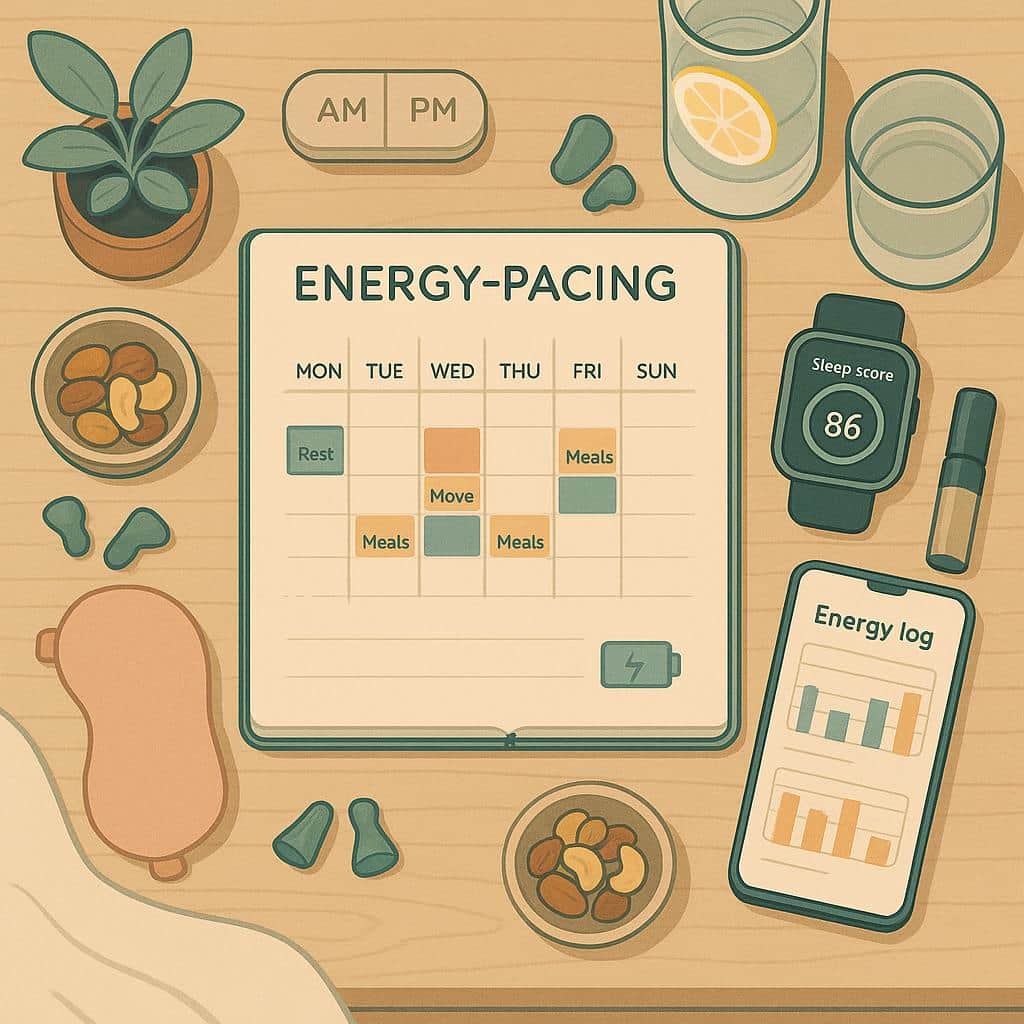
With endometriosis or adenomyosis, severe fatigue can come from inflammation, pain that keeps your nervous system on high alert, interrupted sleep, and stress hormones that stay elevated. These can drain your energy and leave you feeling deeply exhausted.
Why do my symptoms vary so much day to day?
With endometriosis and adenomyosis, hormone shifts, inflammation flares and physical activity can make symptoms vary from day to day. Bowel or bladder pressure, stress and poor sleep can also make symptoms feel more intense.
Can endometriosis pain worsen over time without a diagnosis?
Yes, endometriosis pain can worsen over time without a diagnosis, even when prior testing or imaging is unrevealing. Ongoing inflammation, scarring, nerve irritation or a more sensitive nervous system can make pain deeper, more constant or easier to trigger.
Further reading
Dysautonomia in Endometriosis and Adenomyosis: Can HRV Help Explain Chronic Pain?
Explore how dysautonomia affects endometriosis and adenomyosis pain. Understand HRV: what it reveals and its limitations. Discover reliable research updates.
Endometriosis Fatigue : A Practical Guide to Relief
Understand why endometriosis drains energy—chronic pain, hormones, poor sleep, anemia, inflammation—and get practical tips for fatigue, pain, stress, and daily function.
When Your Nervous System Won’t Stand Down After Endometriosis Surgery
Explore why pain persists after endometriosis surgery and learn about central sensitization's role in pain management.