General
Does an IUD prevent endometriosis recurrence after excision?
The short answer
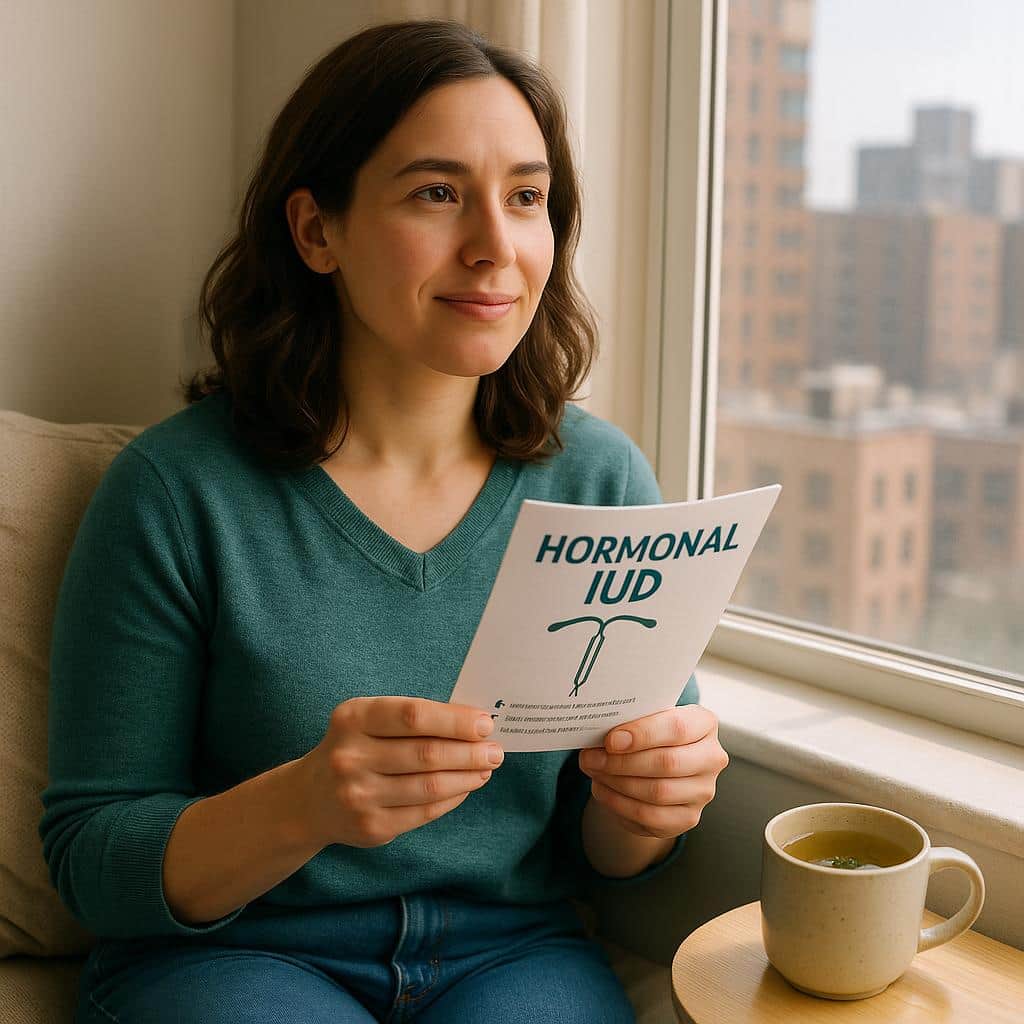
A hormonal IUD can help suppress symptoms after excision, but it does not guarantee that endometriosis will not come back. It can reduce bleeding and cramping and help with long-term symptom control, and may be particularly useful if you also have adenomyosis.
A hormonal IUD can be a helpful suppression tool after excision, but it doesn’t guarantee that endometriosis won’t come back. Endometriosis is a chronic, hormone-influenced inflammatory condition, and even after meticulous removal of disease, the underlying biology that allowed lesions to develop can still be active, especially if you’re still cycling and your ovaries are present.
An IUD most often helps by reducing bleeding and cramping and quieting hormonally driven symptoms over time, which can make your post-op recovery and long-term symptom control more durable. It may be particularly useful if adenomyosis is also part of the picture, since localized progestin in the uterus can significantly reduce heavy bleeding and uterine pain for many patients.
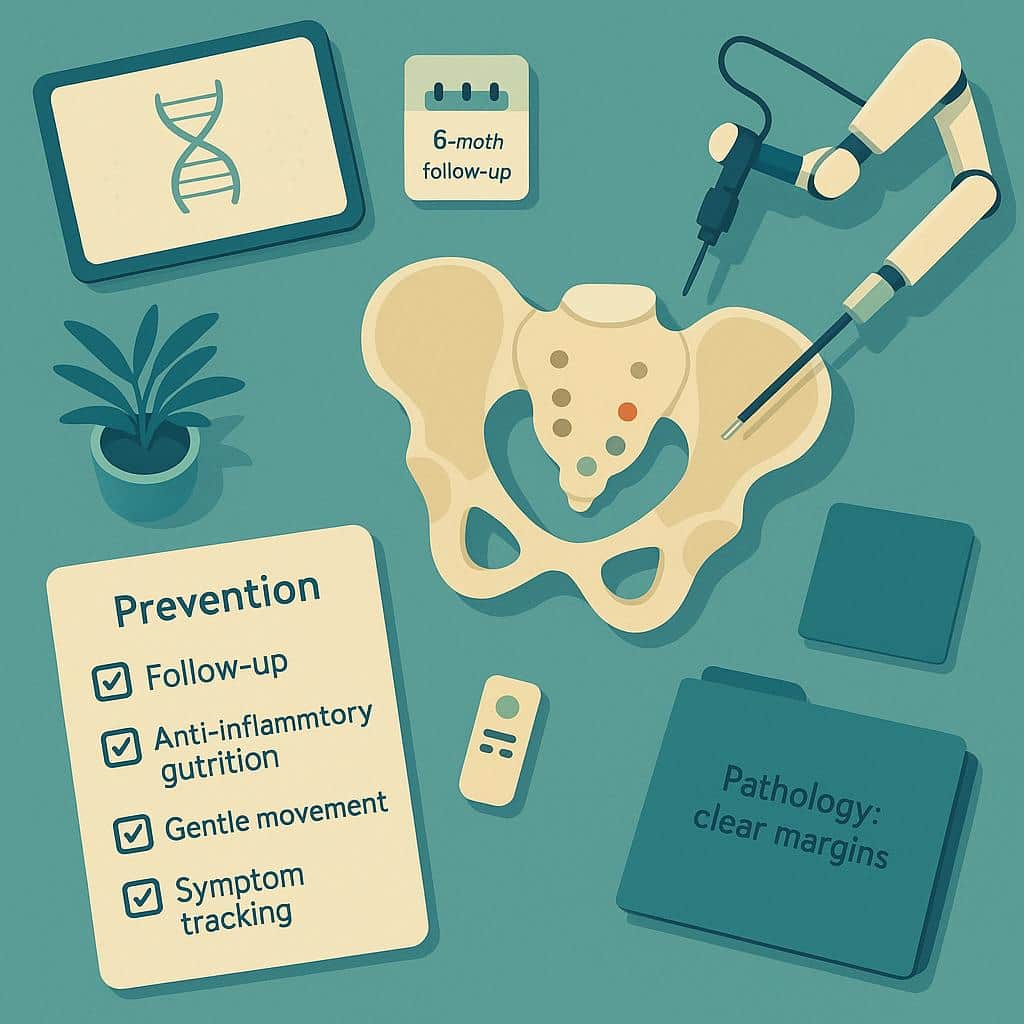
In our practice, we think of post-op hormones (including an IUD) as one option in a broader recurrence-reduction plan: complete excision first, then a tailored strategy based on your disease pattern, goals for fertility versus suppression, and how your symptoms evolve. If you’re considering an IUD after surgery, reach out to our team. We can help you weigh whether it fits your anatomy, symptoms, and longer-term plan.
Where to go from here
Understand it, compare it with what you're feeling, then talk it through with us.
Step 1 · Understand
Understand the condition
Step 2 · Compare
Symptoms it can relate to
Step 3 · Speak with Us
Managing Symptoms After Surgery?
We understand how challenging post-excision symptoms can be. Our specialists can help you explore options like hormonal IUDs to support your recovery and symptom control.
Questions people ask next
All general questionsDo I need birth control after endometriosis excision to prevent recurrence?
Not everyone needs birth control after endometriosis excision to prevent recurrence. Hormonal suppression may lower recurrence risk for some patients, but whether it makes sense depends on your goals, surgical findings and how you tolerate hormones.
Can endometriosis come back after excision surgery?
Yes, endometriosis can come back after excision surgery, even when it is performed well. Recurrence can mean symptoms returning, new lesions forming, or an endometrioma (ovarian cyst) coming back. Disease left behind is the biggest driver of recurrence risk.
Will a hormonal IUD help adenomyosis, and affect future fertility?
A hormonal IUD can reduce heavy bleeding and period pain from adenomyosis without permanently reducing fertility. Ovulation and the ability to conceive typically return soon after removal, though symptom relief can be less complete with severe or diffuse adenomyosis.
Can birth control pills or IUDs help endometriosis or adenomyosis?
Yes, birth control pills and the levonorgestrel IUD can help many patients with endometriosis or adenomyosis by reducing heavy bleeding and period-related pelvic pain. They can quiet symptoms during use, but don’t remove endometriosis lesions or reverse adenomyosis.
Further reading
Preventing Endometriosis Recurrence After Surgery: What Helps?
Discover effective strategies to prevent endometriosis recurrence post-surgery. Learn about management options and warning signs. Get informed today!
Can the Hormonal IUD Tame Your Adenomyosis Pain and Bleeding?
Discover how the hormonal IUD may alleviate adenomyosis pain and heavy bleeding for better quality of life. Learn about this treatment option now!
Reducing Your Risk of Endometriosis Recurrence
Learn why endometriosis recurs—incomplete excision, hormonal, immune, toxin and molecular factors—and how precise robotic surgery and 3D optics can reduce risk.