Symptoms
How do I use a TENS unit for endometriosis or adenomyosis pain?
The short answer
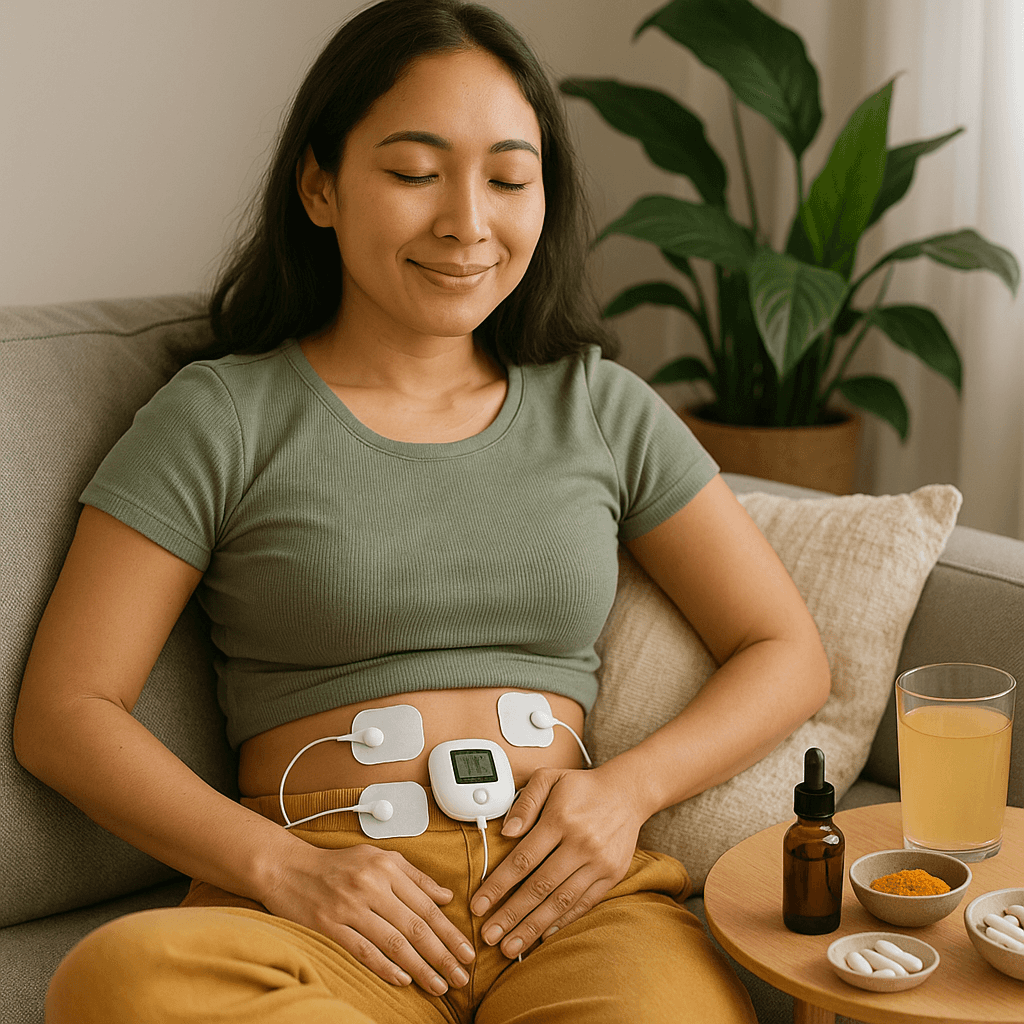
A common starting point is 80–100 Hz at a strong but comfortable tingling intensity for 20–30 minutes, with pads on the lower abdomen or low back. Avoid broken or irritated skin and follow device instructions carefully, especially if pregnant or you have an implanted cardiac device.
Medically reviewed by Dr. Steven Vasilev MD
Advanced Endometriosis Minimally-Invasive Robotic Excision Surgeon, Director of Lotus Endometriosis Institute · Updated Oct 2026
Many patients find a TENS unit helpful for crampy pelvic or period pain. A common starting point is conventional, higher-frequency stimulation at about 80–100 Hz, at a strong-but-comfortable tingling intensity for 20–30 minutes, with pads placed on the lower abdomen and/or low back based on where you feel the pain most. Lower-frequency settings appear to work about as well in studies, so it’s reasonable to try what your device offers and keep whichever setting helps most. The research evidence for TENS in period pain is modest, but it’s drug-free and low-risk, which makes it a worthwhile tool to try.
You can use TENS during a flare or start it proactively as symptoms ramp up around your cycle, and it’s reasonable to reposition the pads to “map” the most tender areas. Avoid placing electrodes over broken or irritated skin, and follow your device instructions carefully, especially if you’re pregnant or have an implanted cardiac device. If your pain feels more burning, shooting, or nerve-like (rather than cramping), our team can help you sort out what may be driving it and how to build a plan beyond symptom control. Reach out to schedule a consultation.
Where to go from here
Understand it, compare it with what you're feeling, then talk it through with us.
Step 3 · Speak with Us
Manage Your Pain with TENS
Our specialists can guide you on effective TENS unit use for endometriosis and adenomyosis pain. Find relief tailored to your flare-ups and symptoms with expert help.
Questions people ask next
All symptoms questionsAre at-home remedies effective for endometriosis pain?
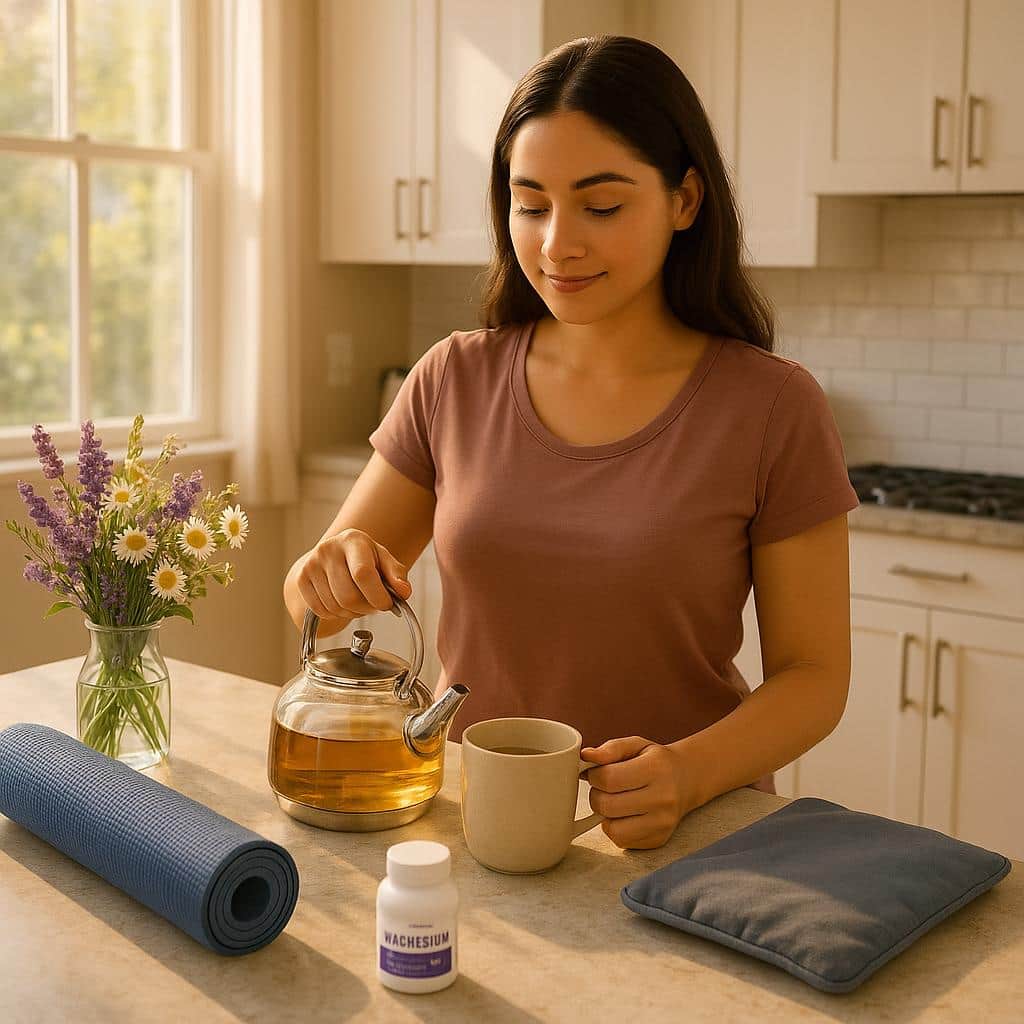
Yes, at-home strategies can help many people reduce endometriosis pain during day-to-day flares. Heat, a TENS unit, gentle stretching and pacing activity can help, but needing these measures constantly is often a sign that the causes of pain need deeper evaluation.
What should a pain-flare plan include, and when is urgent care needed?
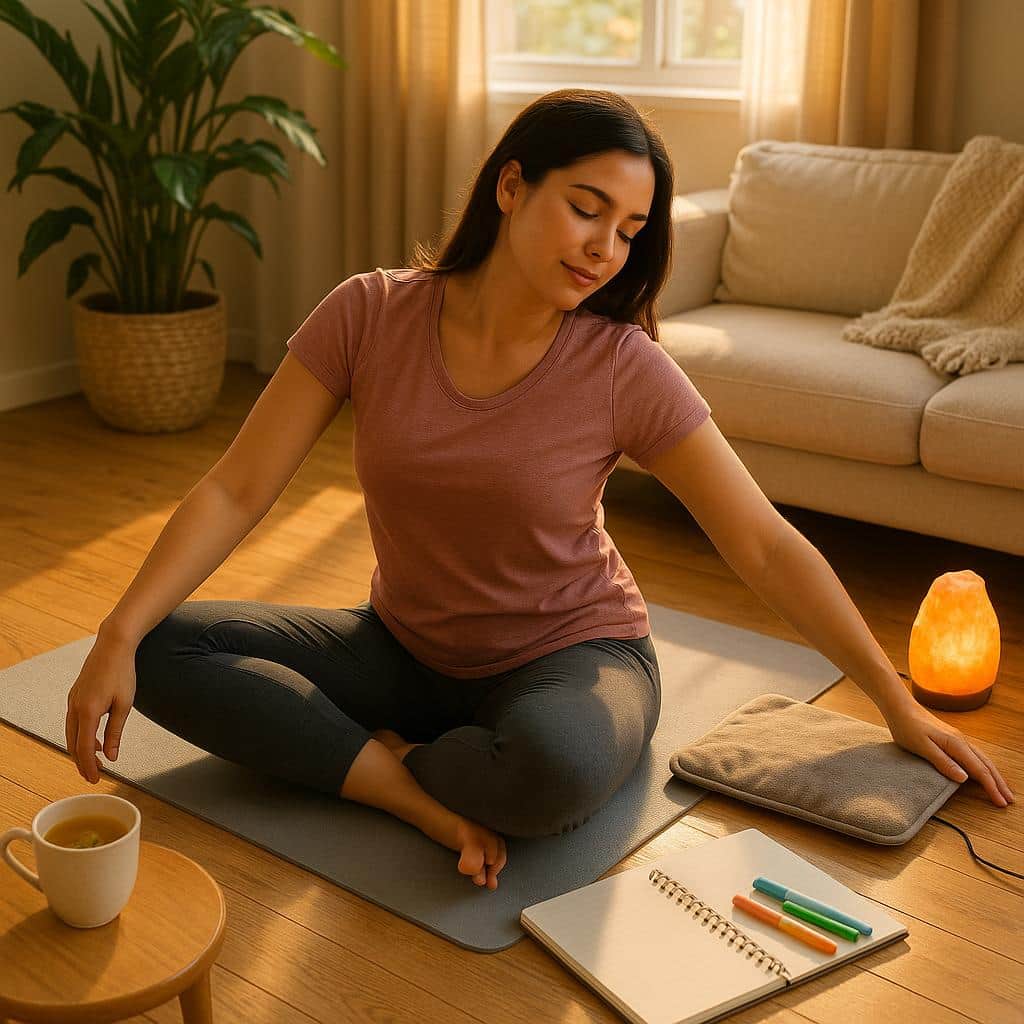
A pain-flare plan usually includes heat, TENS, gentle movement, paced breathing, hydration and simple meals. Urgent evaluation is needed for red flags such as new or rapidly worsening severe pain, fever, fainting, heavy bleeding or vomiting that prevents keeping fluids down.
What are alternatives to ibuprofen for endometriosis pain?
Alternatives to ibuprofen for endometriosis pain may include other NSAIDs, acetaminophen or, when symptoms fit, nerve pain medications. TENS and pain-focused psychological strategies can also help, with options matched to your pain pattern and goals.
What complementary therapies can help endometriosis symptoms?
Nutrition-focused changes, acupuncture, and pelvic floor physical therapy may help some people manage endometriosis symptoms, especially pain, alongside medical treatment. Evidence is mixed, and these approaches do not remove endometriosis or adenomyosis.
Further reading
Non-hormonal Options for Endometriosis Pain: What’s Actually Worth Trying?
Discover evidence-based nonhormonal treatments for endometriosis pain. Find options you can try now for effective symptom management.
Natural Approaches to Managing Endometriosis Pain
Learn how TENS, diet changes, CBD, turmeric, meditation, yoga, and acupuncture can complement care and help relieve pelvic pain from endometriosis.
Holistic Tools That Actually Help Endometriosis Pain
Explore effective holistic tools that aid in managing endometriosis pain alongside conventional treatments. Discover reliable strategies today.