Diagnosis
How is endometriosis diagnosed in teenagers?
The short answer
Diagnosing endometriosis in teenagers starts with a careful review of symptoms. Ultrasound or MRI can sometimes identify suspected disease, but normal imaging does not rule it out; confirmation with certainty requires minimally invasive surgery (laparoscopy) with biopsy.
Diagnosing endometriosis in teenagers starts with taking symptoms seriously and getting the full story: when pain began, whether it’s cyclical or constant, what triggers flares, and how it affects school, sports, sleep, mood, and daily life. Our team looks for patterns that fit endometriosis (and adenomyosis) while also screening for common look-alikes or overlapping issues that can mimic or amplify pelvic pain, such as pelvic floor dysfunction, GI conditions, or hormonal and inflammatory contributors.
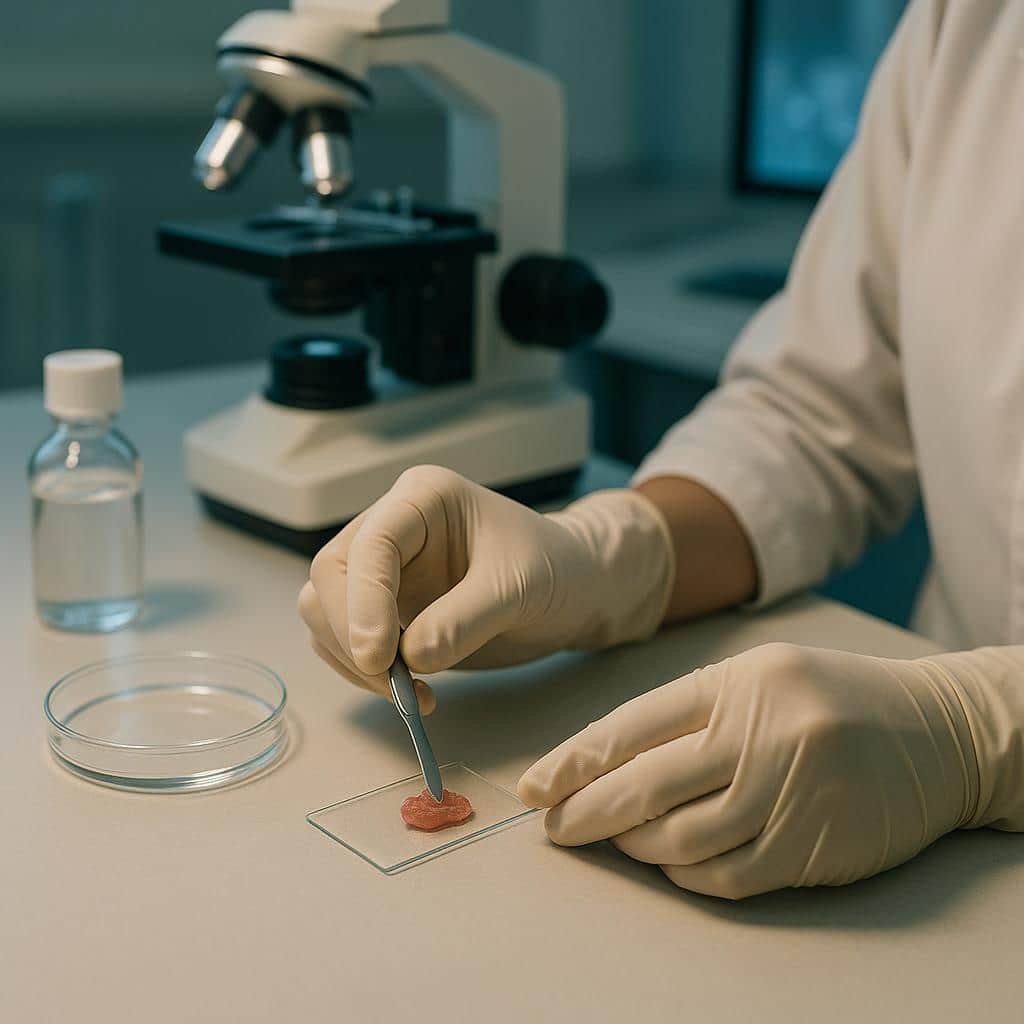
Imaging such as ultrasound or MRI can sometimes identify suspected endometriosis or related conditions, such as ovarian endometriomas, but normal imaging does not rule out endometriosis, especially in adolescents. The only way to confirm endometriosis with certainty is through minimally invasive surgery (laparoscopy) with biopsy and, in some cases, excision of visible disease at the same time. If you’re a teen or the parent of one trying to get clear answers, we can review symptoms and prior records, explain what testing is most useful, and help you understand when a surgical diagnosis may or may not be the right next step.
Where to go from here
Understand it, compare it with what you're feeling, then talk it through with us.
Step 2 · Compare
Symptoms it can relate to
Step 3 · Speak with Us
Struggling with Teen Pelvic Pain?
Our specialists understand how tough it is when symptoms disrupt daily life. We offer compassionate, thorough evaluations to help diagnose endometriosis and related conditions accurately.
Questions people ask next
All diagnosis questionsWhen is laparoscopy considered for teen period pain?
Laparoscopy is usually considered when teen period pain is severe, worsening, repeatedly causes missed school or activities, or persists despite first-line treatment. Other clues include chronic pelvic pain between periods, pain with bowel movements or urination, or a strong family history of endometriosis.
Can teens have endometriosis with a normal ultrasound?
Yes, teens can have endometriosis even when an ultrasound looks normal. Many types, especially superficial disease or implants in certain locations, won’t show up on routine imaging, and pain severity doesn’t reliably match what a scan can see.
What are endometriosis red flags in teens?
Endometriosis red flags in teens include severe or worsening period pain, missing school or activities because of periods, and pelvic pain outside bleeding days. Bowel or bladder symptoms that follow the menstrual cycle, or pain with tampon use, can also be clues.
Will endometriosis show up on MRI?
Sometimes, but a normal MRI does not rule out endometriosis. MRI is best at picking up endometriosis-related ovarian cysts and deep disease, but superficial endometriosis and small implants often don’t show up, even when symptoms are significant.
Further reading
Facing Endometriosis During Teen Years: How to Protect Your Health and Fertility
Explore essential information on adolescent-onset endometriosis, from symptoms to treatment options. Understand and manage your health better today.
Endometriosis Biopsy: A Definitive Method for Diagnosis
Learn when a biopsy is essential for confirming endometriosis or adenomyosis. Explore symptoms, research findings, and options beyond surgery.
What Else Could It Be? Ruling Out Other Causes
Explore essential insights on endometriosis and other causes of pelvic pain. Learn about differential diagnoses and effective treatment options.