Diagnosis
How is PCOS diagnosed vs. endometriosis?
The short answer
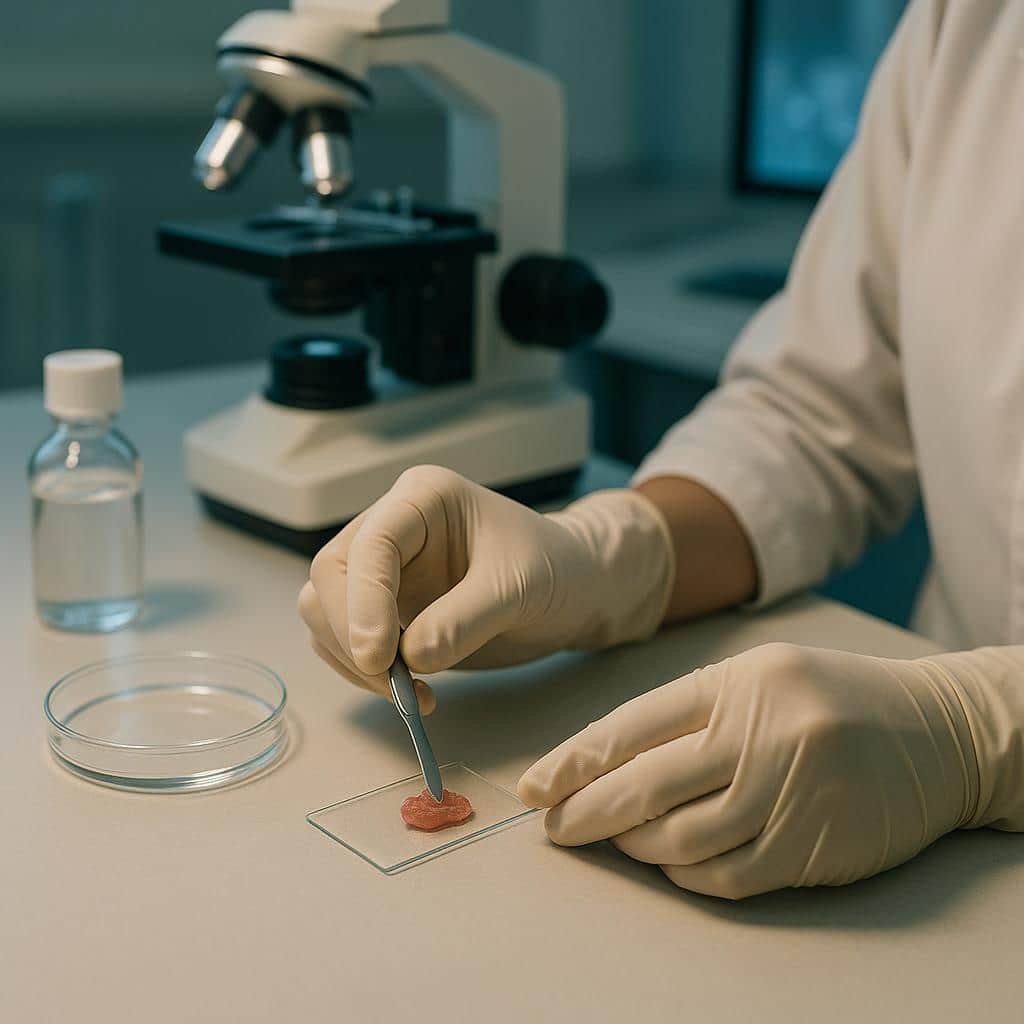
PCOS is typically diagnosed when two of three criteria are met: irregular ovulation, signs of higher androgens and a polycystic ovary pattern on ultrasound, after ruling out similar conditions. Endometriosis is most definitively confirmed by directly viewing and surgically evaluating lesions.
PCOS is typically diagnosed using the Rotterdam criteria. The diagnosis requires two of three features: irregular or absent ovulation, signs of higher androgens (on exam or labs), and a polycystic-appearing ovary pattern on ultrasound, after ruling out other conditions that can mimic PCOS. Pelvic pain is not part of the diagnostic criteria for PCOS, though some people with PCOS can still experience discomfort for other reasons.
Endometriosis is different: endometrial-like tissue grows outside the uterus, and the condition is much more closely tied to pelvic pain, painful periods, pain with sex, bowel or bladder symptoms, and fertility challenges. Imaging can sometimes suggest endometriosis or related disease patterns, but endometriosis can also be present when imaging is normal. The most definitive way to confirm it is to directly visualize and surgically evaluate lesions. If your symptoms don’t fit neatly into a PCOS picture, or you suspect you may have both, our team can help sort out the workup and next steps in a consultation.
Where to go from here
Understand it, compare it with what you're feeling, then talk it through with us.
Step 2 · Compare
Symptoms it can relate to
Step 3 · Speak with Us
Confused Between PCOS and Endometriosis?
Our specialists can help you understand the key differences and guide you to the right diagnosis. We're here to clarify your symptoms and plan your care carefully.
Questions people ask next
All diagnosis questionsDo I need an ultrasound to diagnose PCOS?
An ultrasound can be helpful in supporting a PCOS diagnosis, but it isn’t always required. PCOS is typically diagnosed using a combination of symptoms, menstrual history, signs of higher androgens (like acne or excess hair growth), and lab work.
How is endometriosis diagnosed—do I need surgery?
Endometriosis diagnosis often starts with your symptoms and a pelvic exam, supported by expert imaging; surgery is not automatically required to begin care. Laparoscopy with tissue confirmation is the gold standard for definitive diagnosis.
Can PCOS and endometriosis happen at the same time?
Yes, PCOS and endometriosis can occur together, even though they are different conditions. When they coexist, symptoms can include irregular ovulation, acne, or excess hair growth alongside cyclic pelvic pain, painful sex, or bowel pain around your period.
Can imaging confirm endometriosis?
Imaging can be very helpful, but it usually can’t confirm endometriosis on its own. Ultrasound or MRI may strongly suggest disease, but a normal scan doesn’t rule it out because many small, superficial or microscopic lesions won’t show up on scans.
Further reading
PCOS and Endometriosis: Can They Occur Together?
Explore how PCOS and endometriosis impact fertility and health. Discover key research findings and treatment options for women facing these challenges.
Endometriosis Biopsy: A Definitive Method for Diagnosis
Learn when a biopsy is essential for confirming endometriosis or adenomyosis. Explore symptoms, research findings, and options beyond surgery.
What Else Could It Be? Ruling Out Other Causes
Explore essential insights on endometriosis and other causes of pelvic pain. Learn about differential diagnoses and effective treatment options.