
Fertility
Is CA-125 helpful for fertility planning in endometriosis?
The short answer
CA-125 is not a reliable tool for fertility planning in endometriosis. It is a nonspecific inflammation marker. For many patients, a normal result doesn't rule out meaningful endometriosis, and a high value doesn't tell us what the next fertility step should be.
CA-125 is not a reliable tool for fertility planning in endometriosis. It’s a nonspecific inflammation marker that can be elevated with endometriosis, but it doesn’t consistently reflect disease subtype, lesion location, or the biologic factors that influence egg quality, tubal function, or implantation. For many patients, a normal CA-125 doesn’t rule out meaningful endometriosis, and a high value doesn’t tell us what your next fertility step should be.
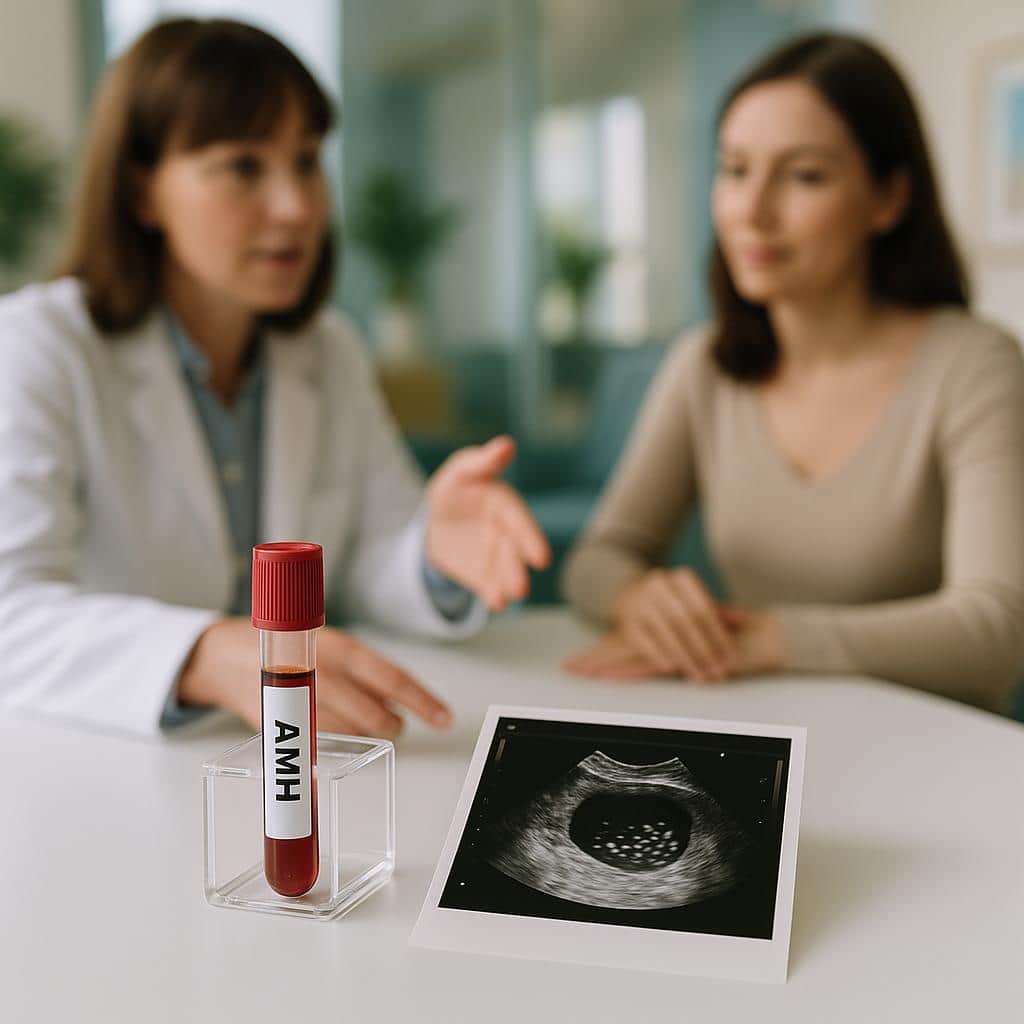
When fertility is the goal, we focus on information that directly guides decisions: your full symptom history and flare pattern, expert imaging when appropriate, and ovarian reserve and ovarian-specific data (often including AMH and ultrasound follicle counts, especially if endometriomas are present). We also consider common overlapping issues that can complicate fertility, because endometriosis-related infertility often involves more than anatomy. If you’d like, our team can help you build a personalized evaluation plan so you’re not chasing one lab value that can’t answer your real question.
Where to go from here
Understand it, compare it with what you're feeling, then talk it through with us.
Step 3 · Speak with Us
Take Control of Your Fertility Today
CA-125 levels don’t provide clear guidance for fertility planning with endometriosis. Our specialists focus on personalized care to help you navigate your unique fertility challenges and options.
Questions people ask next
All fertility questionsWhich infertility tests matter most with endometriosis?
The most useful infertility tests for endometriosis typically include ovarian reserve labs, a pelvic ultrasound, a test to check whether the fallopian tubes are open, and a semen analysis. Your symptom pattern and surgical history help put results in context.
Is CA-125 useful for diagnosing endometriosis?
CA-125 is not a reliable way to diagnose endometriosis. It can be normal when endometriosis is present or high for other reasons, including other pelvic conditions and benign inflammation, so results usually don’t clarify whether endometriosis is causing your symptoms.
When is IVF recommended for endometriosis?
IVF is often recommended for endometriosis when older age or reduced ovarian reserve makes time a key factor, or when fallopian tubes are blocked or damaged. It may also be the next step after unsuccessful less invasive fertility treatment or when male-factor infertility is present.
How do endometriosis stages affect fertility and treatment choices?
Endometriosis stage can influence fertility, but it doesn’t predict it perfectly, and treatment planning is individualized. Depending on age, symptoms, imaging and fertility goals, treatment may involve excision surgery, fertility treatment or both.
Further reading
Making a Fertility Plan: Working with Your Endometriosis Care Team
Learn how to create a patient-centered fertility plan with your endometriosis care team, addressing symptoms, treatment, and desired timelines.
AMH Or Follicle Count Which Matters More For Endometriomas
How AMH and antral follicle count behave with unilateral or bilateral endometriomas, the impact of cyst size, and practical guidance for your next appointment.
Surgery and IVF: When Are They Right for Endometriosis?
Explore when surgery or IVF is best for endometriosis. Understand the decision-making process and what to consider for fertility and health.