
Deep Disease
Is pregnancy safe with diaphragmatic endometriosis?
The short answer
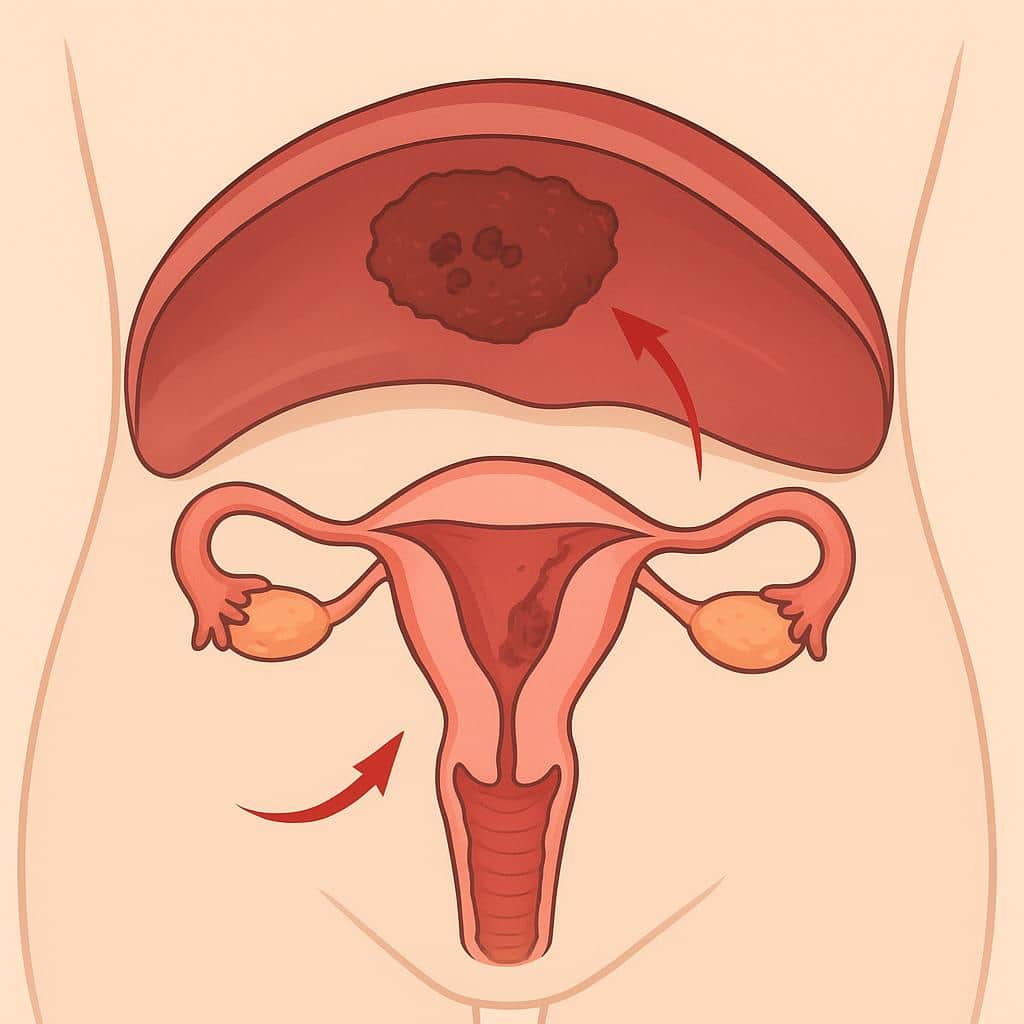
In many cases, pregnancy can be safe with diaphragmatic endometriosis, but this depends on disease depth and your history of chest symptoms. Disease extending through the diaphragm or into the chest can be linked to shortness of breath or, rarely, a collapsed lung.
In many cases, pregnancy can be safe with diaphragmatic endometriosis, but the answer depends on where the disease is, whether it’s only on the diaphragm’s surface or involves deeper tissue, and whether you’ve ever had chest symptoms. Superficial diaphragmatic implants may cause cyclical right shoulder, upper abdominal, or chest pain around periods. Those symptoms sometimes improve during pregnancy when cycling hormones are suppressed. The bigger concern is the uncommon scenario where endometriosis involves the full thickness of the diaphragm or extends into the chest (thoracic endometriosis), which can be associated with symptoms like shortness of breath or, rarely, a cyclic collapsed lung.
If you have a history of cycle-linked chest pain, breathing symptoms, or prior pneumothorax, we generally recommend a more deliberate pre-pregnancy evaluation so your care is planned rather than reactive. Our team can help assess whether diaphragmatic disease is likely present, review prior imaging, and discuss whether minimally invasive excision (and, when appropriate, coordinated planning with thoracic surgery) makes sense before trying to conceive.
If you’re already pregnant and develop new chest pain or breathing symptoms, we want you to let your obstetric team know promptly and reach out to us so we can help connect the dots and coordinate next steps. If you’re in the planning stage, scheduling a consultation can help you understand your personal risk profile and build a clear plan for pregnancy and postpartum.
Where to go from here
Understand it, compare it with what you're feeling, then talk it through with us.
Step 1 · Understand
Understand the condition
Step 2 · Compare
Symptoms it can relate to
Step 3 · Speak with Us
Worried About Pregnancy Risks?
Our specialists understand the complexities of diaphragmatic endometriosis and can guide you on safe pregnancy options tailored to your condition. Let us help you navigate your journey with expert care and support.
Questions people ask next
All deep disease questionsDoes endometriosis make pregnancy high risk?
Most people with endometriosis have healthy pregnancies, but it can be associated with a higher likelihood of certain complications. These include placenta previa, preterm birth, bleeding during pregnancy and cesarean delivery. Risk is not the same for everyone.
Is thoracic endometriosis dangerous?
Thoracic endometriosis can be dangerous in certain situations, especially when it leads to recurrent lung collapse or significant shortness of breath. With thorough evaluation and coordinated treatment, many patients achieve strong symptom control and fewer recurrences.
Do endometriosis symptoms improve during pregnancy?
Many patients notice their endometriosis symptoms lessen during pregnancy, and some feel the most relief by the second trimester. Pregnancy does not cure endometriosis, and it is also normal for pelvic pain or symptoms tied to the bowel, bladder or nerves to persist.
Best long-term treatment for diaphragmatic endometriosis?
For many patients, complete excision by a surgeon with advanced experience in upper-abdominal endometriosis offers the most durable long-term relief for diaphragmatic endometriosis. Mapping before surgery and a tailored surgical plan are key to treatment success.
Further reading
Diaphragmatic Endometriosis: Symptoms and Treatment Options
Learn what diaphragmatic endometriosis is, how it affects the diaphragm, key symptoms, causes, diagnosis options, treatments, and potential complications.
Thoracic Endometriosis: Understanding Symptoms, Diagnosis, and Treatment Options
Chest pain or shortness of breath during your period? Thoracic Endometriosis Syndrome is a rare but serious condition often missed for years. Learn the signs.
Trying to Conceive With Endometriosis Without Making Symptoms Explode
Discover how to navigate pregnancy with endometriosis while managing symptoms. Explore safe options and recent research on fertility and treatment.