


Shortness of Breath
Shortness of breath that worsens around your period can be a real—and often overlooked—clue that endometriosis may be affecting areas above the pelvis, such as the diaphragm or chest. It can also be worsened by heavy bleeding from adenomyosis that leads to anemia and low oxygen-carrying capacity.
Overview
Shortness of breath isn't a symptom most people associate with endometriosis—but it can be. When breathing symptoms flare around menstruation, it's worth taking seriously: endometriosis can affect the diaphragm and, less commonly, the chest cavity itself. In other cases the connection is more indirect, with pain, inflammation, fatigue, or anemia all placing their own strain on the body.
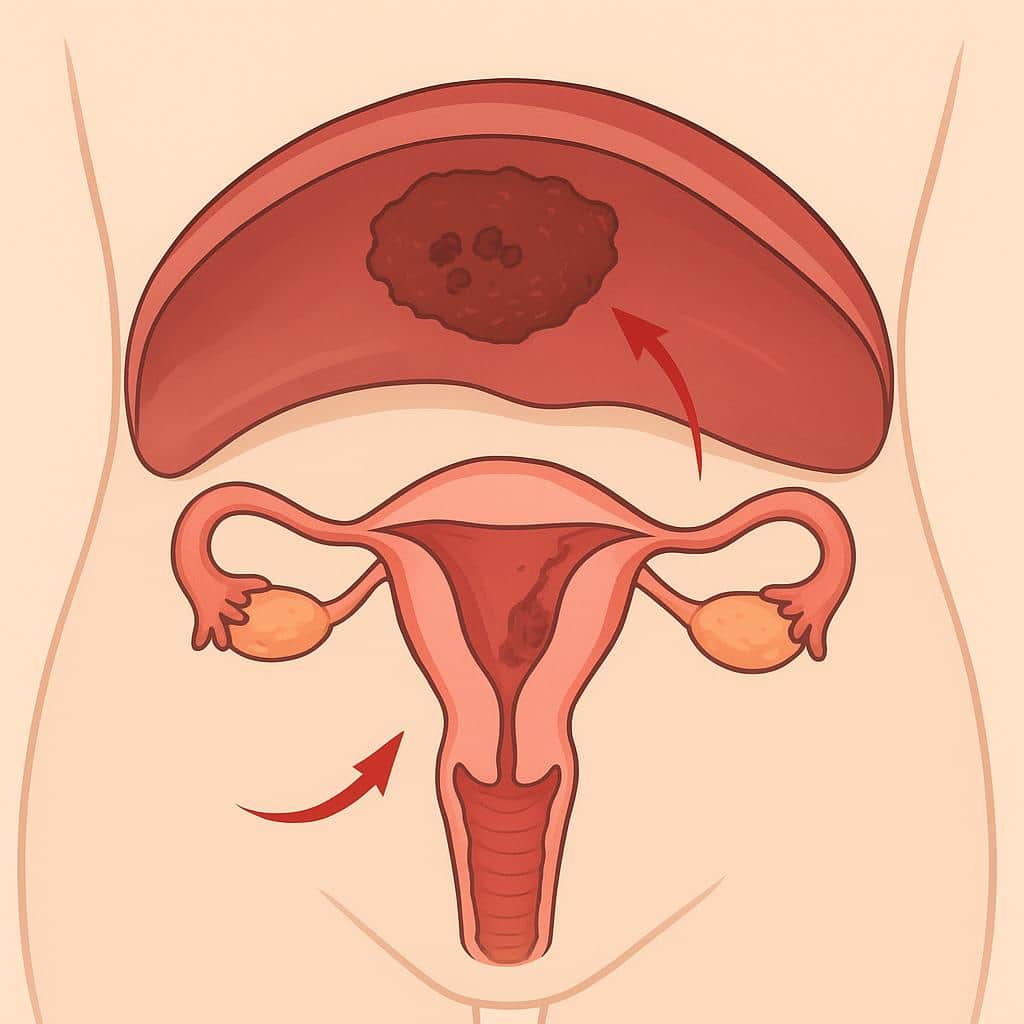
Endometriosis can irritate or infiltrate the diaphragm (the muscle under the lungs that helps you breathe). When symptoms are cyclical—worse right before or during bleeding—patients may notice shortness of breath alongside chest pain and/or shoulder pain (referred pain from the diaphragm). This pattern can be a hallmark of diaphragmatic endometriosis and should prompt a specialist evaluation rather than being written off as “just anxiety.”
Adenomyosis doesn’t typically implant in the chest, but it can still contribute to breathlessness in meaningful ways. Many people with adenomyosis have heavy menstrual bleeding, and chronic blood loss can cause iron-deficiency anemia—one of the most common reasons for feeling winded, lightheaded, or unusually fatigued, especially on exertion.
Because shortness of breath can also come from conditions unrelated to endometriosis/adenomyosis (asthma, infections, blood clots, heart issues, panic attacks, reflux, and more), the timing and pattern matter. Cyclical symptoms tied to your menstrual cycle—particularly with chest/shoulder pain—raise suspicion for thoracic or diaphragmatic involvement, while day-to-day breathlessness with heavy bleeding may point to anemia.
Living with “period breathing problems” can be frightening and disruptive: it may limit exercise, sleep, work, and even simple tasks like climbing stairs. If you’re experiencing this, consider an endometriosis-focused workup through a team experienced in complex disease mapping and treatment, starting with Evaluation & Diagnosis.
What It Feels Like
Patients often describe this symptom as air hunger (feeling like you can’t get a satisfying breath), tightness in the chest, or getting winded faster than normal—sometimes even while resting. Some notice they have to take frequent deep breaths, yawn repeatedly to “catch” air, or feel a sense of pressure under the ribs.
When endometriosis is contributing, a key feature can be cyclicity: symptoms may start in the days before bleeding, peak during menstruation, and then ease afterward. Some people notice it mainly with certain positions (lying flat) or with deeper breaths, laughing, coughing, or twisting—movements that engage the diaphragm.
Experiences vary widely. One person may have mild breathlessness that feels like reduced stamina; another may have episodes that feel intense, scary, and out of proportion to activity. If adenomyosis-related heavy bleeding is involved, breathlessness may come with fatigue, paleness, rapid heartbeat, or dizziness—especially during or after a heavy period.
Over time, some patients notice the pattern becoming more predictable (every cycle) or more frequent (starting earlier in the cycle), particularly if disease progresses or inflammation increases. Tracking symptoms on a calendar can be surprisingly helpful when advocating for appropriate testing and referral.
How Common Is It?
Endometriosis affects about 10% of women of reproductive age, but shortness of breath is not among the most common “classic” symptoms. When it occurs with a strong menstrual pattern, it’s often associated with diaphragmatic or thoracic endometriosis, which is considered uncommon compared with pelvic disease.
Research suggests that diaphragmatic endometriosis is detected in a minority of endometriosis patients, and not everyone with diaphragmatic lesions has breathing symptoms. In other words, absence of shortness of breath doesn’t rule out diaphragmatic disease, and presence of shortness of breath doesn’t confirm it—but cyclical breath symptoms are a meaningful clinical clue.
For adenomyosis, breathlessness is more often linked to the downstream effects of heavy bleeding (iron deficiency/anemia) rather than adenomyosis tissue directly affecting breathing. Notably, anemia severity doesn’t always match how “heavy” bleeding looks—some people acclimate to chronic blood loss, while others become symptomatic quickly.
Causes & Contributing Factors
In endometriosis, endometrial-like tissue can grow on or within the diaphragm and surrounding surfaces. During the menstrual cycle, these implants can trigger inflammation, swelling, and irritation, which may cause pain with breathing (taking a deep breath can tug on an inflamed diaphragm) and the sensation of not being able to inhale fully.
Endometriosis-related inflammation can also sensitize nerves and amplify pain signals, making breathing feel effortful even when oxygen levels are normal. If chest/diaphragm disease is present, symptoms may overlap with chest pain and shoulder pain due to referred nerve pathways.
With adenomyosis, the most common mechanism is iron-deficiency anemia from heavy bleeding: fewer red blood cells (or less hemoglobin) means less oxygen delivery to tissues, so your body compensates by breathing faster/harder and increasing heart rate. This can feel like being “out of breath” with minimal activity.
Several factors can worsen breathlessness during menstruation in either condition: severe pain (leading to shallow breathing), bloating/abdominal distension pushing upward, fatigue, and stress responses. Improving pain control, treating iron deficiency, and addressing the underlying disease process can all help—especially when guided by a specialist team familiar with complex endometriosis presentations.
Treatment Options
Treatment depends on the suspected driver—diaphragmatic/thoracic endometriosis, anemia from adenomyosis/heavy bleeding, pain-related shallow breathing, or another medical condition entirely. A thorough assessment through an endometriosis-focused team is important because standard evaluations may miss diaphragm involvement. Start with a comprehensive visit through Evaluation & Diagnosis and consider using the site Search to explore related resources.
Medical therapy may include hormonal suppression to reduce cyclical bleeding and inflammatory flares (e.g., continuous combined hormonal contraception, progestins, GnRH-based options), which can lessen cyclical chest/diaphragm symptoms for some patients. Learn more about options in Hormonal Therapy. For symptom relief, an individualized plan from Pain Management may also help reduce shallow breathing driven by pain.
Surgical treatment is often considered when symptoms suggest diaphragmatic endometriosis, when imaging/exam supports it, or when medical therapy fails or isn’t tolerated. For endometriosis, excision surgery is considered the gold standard—aiming to remove disease at the root rather than simply burning the surface. You can read about advanced approaches at Surgery & Advanced Excision and about the expertise behind complex cases with Dr. Steven Vasilev. (Diaphragm/chest involvement may require careful planning and, at times, multidisciplinary surgical coordination.)
For adenomyosis-related breathlessness, treating heavy bleeding and iron deficiency can be transformative. This may include hormonal therapy, iron supplementation (guided by labs such as ferritin), and addressing uterine disease directly. Options range from medical management to uterus-sparing procedures or hysterectomy in select cases—see Adenomyosis.
Supportive and integrative strategies can complement medical/surgical care: gentle paced activity, diaphragmatic breathing exercises (when not painful), anti-inflammatory nutrition, sleep support, and stress regulation tools. Many patients benefit from a whole-person plan through Integrative Medicine & Lifestyle Care. If you want to explore treatment pathways at Lotus, review our services.
When to Seek Help
Seek urgent/emergency care for shortness of breath that is sudden, severe, or accompanied by any of the following: chest pressure/crushing pain, fainting, blue lips, confusion, coughing blood, one-sided leg swelling/pain, rapid worsening, or new symptoms after surgery, travel, pregnancy/postpartum, or starting estrogen-containing hormones. These can signal serious conditions (like a blood clot, pneumonia, asthma attack, or heart problem) that require immediate evaluation.
If your shortness of breath is cyclical (worse during menstruation), occurs with chest pain or shoulder pain, or is paired with heavy bleeding and profound fatigue, it’s appropriate to schedule a specialist assessment. Bring a symptom diary (timing in your cycle, triggers like deep breaths/exertion, associated chest/shoulder pain, and bleeding volume) and ask about evaluation for diaphragmatic endometriosis and/or anemia.
Early, expert evaluation matters—endometriosis commonly takes 7–10 years to diagnose, and complex disease can be missed without targeted assessment. If you’re ready for a next step, you can schedule a consultation to discuss your symptoms and options.
Experiencing Shortness of Breath?
If you're dealing with this symptom, our specialists can help determine if endometriosis may be the cause and discuss your treatment options.
Schedule a ConsultationFrequently Asked Questions
When is menstrual bleeding considered too heavy?
Menstrual flow is generally too heavy when it consistently disrupts your life or overwhelms your usual period products: flooding or soaking through pads or tampons quickly, passing frequent or large clots, needing to double up, or bleeding long enough that you can’t plan around it. Another major clue is fatigue, dizziness, or shortness of breath that can come with iron deficiency from ongoing blood loss. If you’re planning your day around bathrooms, waking at night to change products, or avoiding work, exercise, travel, or sex because of bleeding, that’s not something we consider normal.
Heavy bleeding is a symptom, not a diagnosis. Common underlying causes include adenomyosis, fibroids, hormonal imbalance, and sometimes endometriosis, especially when heavy bleeding comes with severe cramps or deep pelvic pain. Because imaging and symptoms don’t always match (a scan can look mild while symptoms are intense), we take a symptom-led approach and look at the full pattern, including pain, pressure, clots, cycle timing, and any signs of anemia. If your bleeding feels like it’s escalating or you’ve been told to “just live with it,” our team can help you sort out likely causes and build a plan that targets the source, not just the bleeding.
Can endometriosis spread to the brain?
Yes, endometriosis can occur outside the pelvis, and it has been reported in distant parts of the body. That said, brain involvement is extremely rare compared with pelvic disease or even other extra-pelvic locations like the diaphragm and chest.
When people worry about endometriosis in the brain, it’s often because they’re experiencing neurologic symptoms (headaches, nerve-type pain, numbness or weakness) that seem to flare with their cycle. Sometimes those symptoms are related to endometriosis affecting nerves or areas higher in the abdomen or chest rather than the brain itself, and the cyclical timing can be an important clue. If you have unusual symptoms that track with menstruation, our team can help you look at the full-body picture, determine what’s most likely, and plan next steps for accurate diagnosis and treatment, including minimally invasive excision when appropriate.
Why is diaphragmatic endometriosis often found only during surgery?
Diaphragmatic endometriosis is frequently missed before surgery because it sits outside the typical pelvic areas that most exams and standard imaging focus on. Even high-quality ultrasound or MRI doesn’t give a simple yes-or-no answer: some lesions are small, superficial, or positioned in ways that make them hard to visualize, and some people have little to no diaphragm-specific symptoms. When symptoms do occur, they’re often mistaken for non-gynecologic issues unless the timing is clearly cyclical (for example, right upper abdominal, chest, or shoulder-tip pain that flares around periods).
Surgery is often when it’s finally identified because minimally invasive laparoscopy or robotic surgery allows direct inspection of the diaphragm, which can reveal implants that scans and routine pelvic evaluation miss. This is also why surgical planning matters: diaphragm excision requires specific skill and careful decision-making, since the diaphragm is thin and disease can, in rarer cases, extend toward the chest. If your diaphragm endometriosis wasn’t recognized until surgery, it doesn’t mean it wasn’t real earlier; it usually reflects the limits of pre-op testing and how easily this location can be overlooked. If you’re still having cyclical chest, shoulder, or rib pain or breathing-related flares, our team can help review your history, imaging, and operative findings and plan next steps with the right expertise in place.
Can endometriosis cause breathing problems?
Yes, endometriosis can cause breathing-related symptoms in a small subset of patients when the disease involves the diaphragm, the lining around the lungs, or (more rarely) the lungs themselves. This is often called thoracic endometriosis syndrome, and it can show up as shortness of breath, chest tightness or pain, shoulder pain, or even a recurrent collapsed lung. A major clue is timing: symptoms that reliably flare just before or during your period are more suspicious for endometriosis-related chest involvement than symptoms that occur at random.
Because imaging doesn’t always clearly show thoracic or diaphragmatic endometriosis, diagnosis often depends on your symptom pattern and a careful whole-body evaluation and, in some cases, minimally invasive surgery to confirm and treat the disease. If you’re noticing cyclical chest or breathing symptoms (especially if you also have pelvic pain, heavy bleeding, bowel/bladder symptoms, or infertility), our team can help connect the dots, coordinate an appropriate workup, and discuss treatment options that may include targeted hormonal suppression and/or planned excision with the right surgical team, including thoracic expertise when needed.
How common is extra-pelvic endometriosis?
Extra-pelvic endometriosis is uncommon overall. In the vast majority of people, endometriosis is confined to the pelvis (ovaries, pelvic peritoneum, bladder/ureters, rectum). When it extends beyond the pelvis, it more often shows up higher in the abdomen, such as on the bowel or diaphragm, rather than far outside the abdomen.
Truly distant extra-pelvic disease (for example, inside the chest cavity or lungs, often grouped under thoracic endometriosis syndrome) is considered rare, even though it’s the most common of the rare extra-pelvic presentations. Because these cases can be overlooked, the pattern matters: symptoms that reliably flare with your cycle, such as right-sided upper abdominal/shoulder/chest pain, shortness of breath, or recurrent lung collapse around menstruation, can be a clue that endometriosis may not be limited to the pelvis. If this sounds familiar, our team can help you think through your symptom pattern and plan the right evaluation and surgical strategy, including inspecting areas like the diaphragm when it’s appropriate.
Why do I get shoulder pain during my period?
Shoulder pain that predictably shows up around your period can be a “referred pain” pattern, meaning irritation somewhere else is felt in the shoulder. One important (and often overlooked) explanation is endometriosis on or near the diaphragm, the muscle that separates your abdomen from your chest. When endometriosis involves the diaphragm, symptoms can include right-sided shoulder or arm pain, upper abdominal or chest discomfort, and pain that may worsen with deep breathing or coughing, often clustering around menstruation.
Because diaphragm and thoracic (chest) involvement are less common, they’re frequently missed, especially if pelvic symptoms get all the attention or if imaging doesn’t clearly show the cause. In rare situations, endometriosis can extend into the chest and be associated with cyclical chest pain, shortness of breath, or even recurrent lung collapse around periods. If your shoulder pain is cyclical, especially if it’s right-sided or comes with chest/upper-abdominal symptoms, our team can help you connect the pattern, evaluate for diaphragmatic or thoracic involvement, and discuss options such as targeted imaging and, when appropriate, minimally invasive surgical evaluation and excision by an experienced team.
What should I tell ER staff about my endometriosis?
If you’re in the ER with pelvic or abdominal pain and you have endometriosis or strongly suspect it, lead with the facts that help staff triage safely: whether your diagnosis is surgically confirmed or suspected, any prior operative and pathology findings, and whether you’ve had complications like bowel, bladder, appendix, or diaphragm/thoracic involvement. Tell them how today’s pain differs from your baseline (sudden onset, one-sided or right-lower-quadrant pain, fever, vomiting, fainting, heavy bleeding, chest/shoulder pain, or shortness of breath) and whether it seems cyclical or tied to your period. ER teams are trained to rule out emergencies first, so describing what changed and what worries you most helps them move faster and document the right differential diagnoses.
It also helps to be specific about your symptom pattern and how it affects your ability to function rather than just saying “endo flare.” For example: pain with urination or bladder filling, pain with bowel movements, constipation/diarrhea flares, rectal pressure, deep pain with sex, or pain that radiates to the back/leg, especially if those symptoms have a clear cycle pattern. If you have records, bring or show the most useful ones: operative reports, pathology reports, and recent imaging reports (and images if you have them). Those details can prevent your history from being minimized just because a CT or ultrasound looks normal.
After the urgent issue is addressed, many patients still need a clearer plan for the underlying cause of recurrent ER-level pain. Our team can review your records, make your history clear to clinicians, and discuss whether specialized evaluation and excision surgery may be appropriate, especially if you’ve been dismissed, have persistent symptoms despite prior treatment, or suspect deeper or multi-organ disease.
Can endometriosis cause heart palpitations?
Yes, some people with endometriosis (and adenomyosis) report heart palpitations, especially during pain flares, high-stress periods, or around hormonal shifts. This isn’t only anecdotal: in a large Australian longitudinal study of women’s health, women with endometriosis had roughly twice the odds of reporting palpitations compared with women without it, and small studies have found an autonomic imbalance in endometriosis (more sympathetic “fight‑or‑flight” drive, less calming vagal tone). One reason is that chronic pelvic pain and inflammation can keep the nervous system in a more “alarm” state, which can affect autonomic regulation (the balance between fight‑or‑flight and rest‑and‑digest) and make your heart rate feel more noticeable or irregular. Palpitations can also show up alongside other whole‑body symptoms some patients describe, like dizziness, temperature intolerance, fatigue, and sleep disruption.
At the same time, palpitations aren’t specific to endometriosis, and we don’t assume they’re “just endo.” Our approach is to look at the whole picture (your cycle pattern, pain history, medications/hormonal treatments, anemia from heavy bleeding, thyroid issues, and cardiac risk factors) so we don’t miss a separate (and treatable) cause. If palpitations are new, worsening, or tied to chest pain, shortness of breath, fainting, or significant lightheadedness, that deserves prompt evaluation; if you’d like, reach out to schedule a consultation so our team can help you sort out what’s driving your symptoms and how to address both the disease and the nervous-system component.
Related Articles

Thoracic Endometriosis: Understanding Symptoms, Diagnosis, and Treatment Options
Chest pain or shortness of breath during your period? Thoracic Endometriosis Syndrome is a rare but serious condition often missed for years. Learn the signs.
Diaphragmatic Endometriosis: Symptoms and Treatment Options
Learn what diaphragmatic endometriosis is, how it affects the diaphragm, key symptoms, causes, diagnosis options, treatments, and potential complications.
Different Types of Endometriosis Pain Explained
Explore types of endometriosis pain, evaluation, and evidence-based treatments, including triggers, pelvic floor therapy, CNS sensitization, and adenomyosis.