
Deep Disease
How common is extra-pelvic endometriosis?
The short answer
Extra-pelvic endometriosis is uncommon overall, and disease in distant areas such as the chest or lungs is considered rare. In the vast majority of people, it stays in the pelvis; when it extends beyond that, it more often appears higher in the abdomen, such as on the bowel or diaphragm.
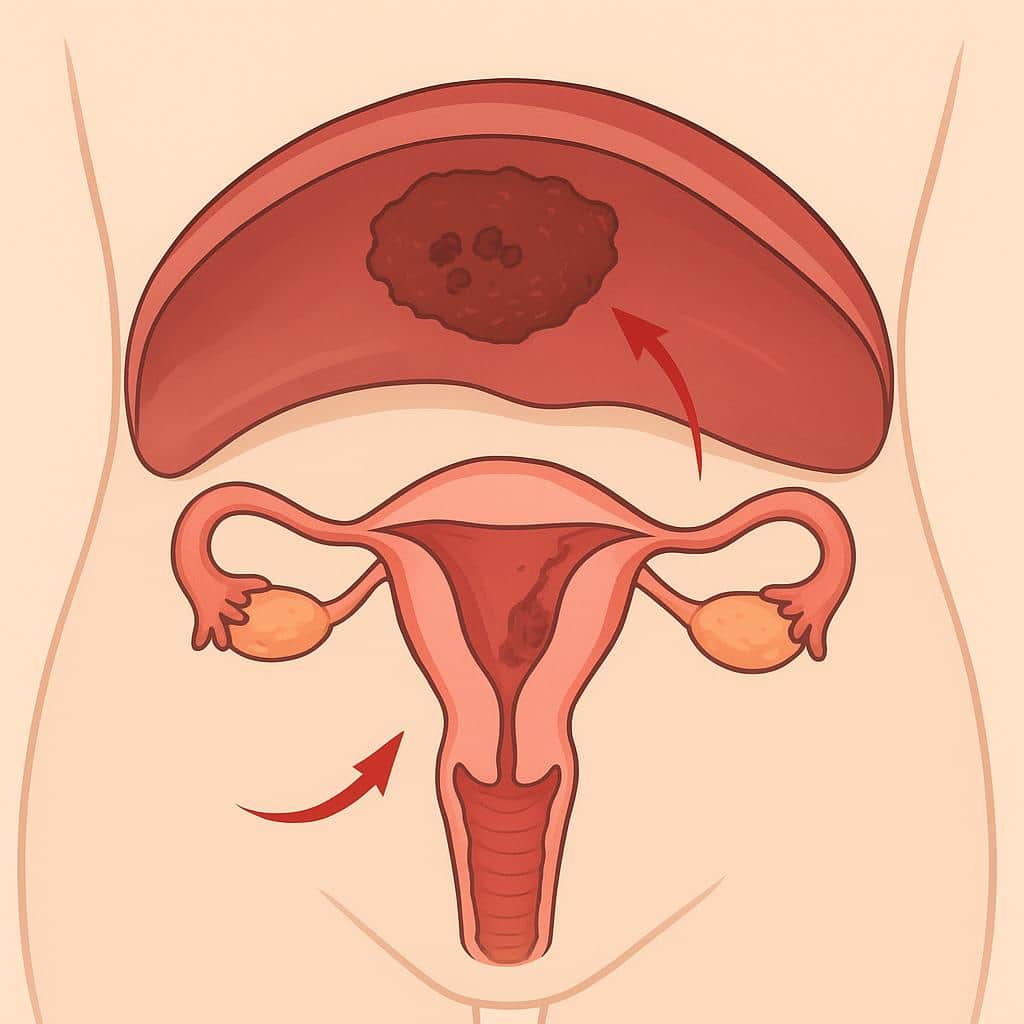
Extra-pelvic endometriosis is uncommon overall. In the vast majority of people, endometriosis is confined to the pelvis (ovaries, pelvic peritoneum, bladder/ureters, rectum). When it extends beyond the pelvis, it more often shows up higher in the abdomen, such as on the bowel or diaphragm, rather than far outside the abdomen.
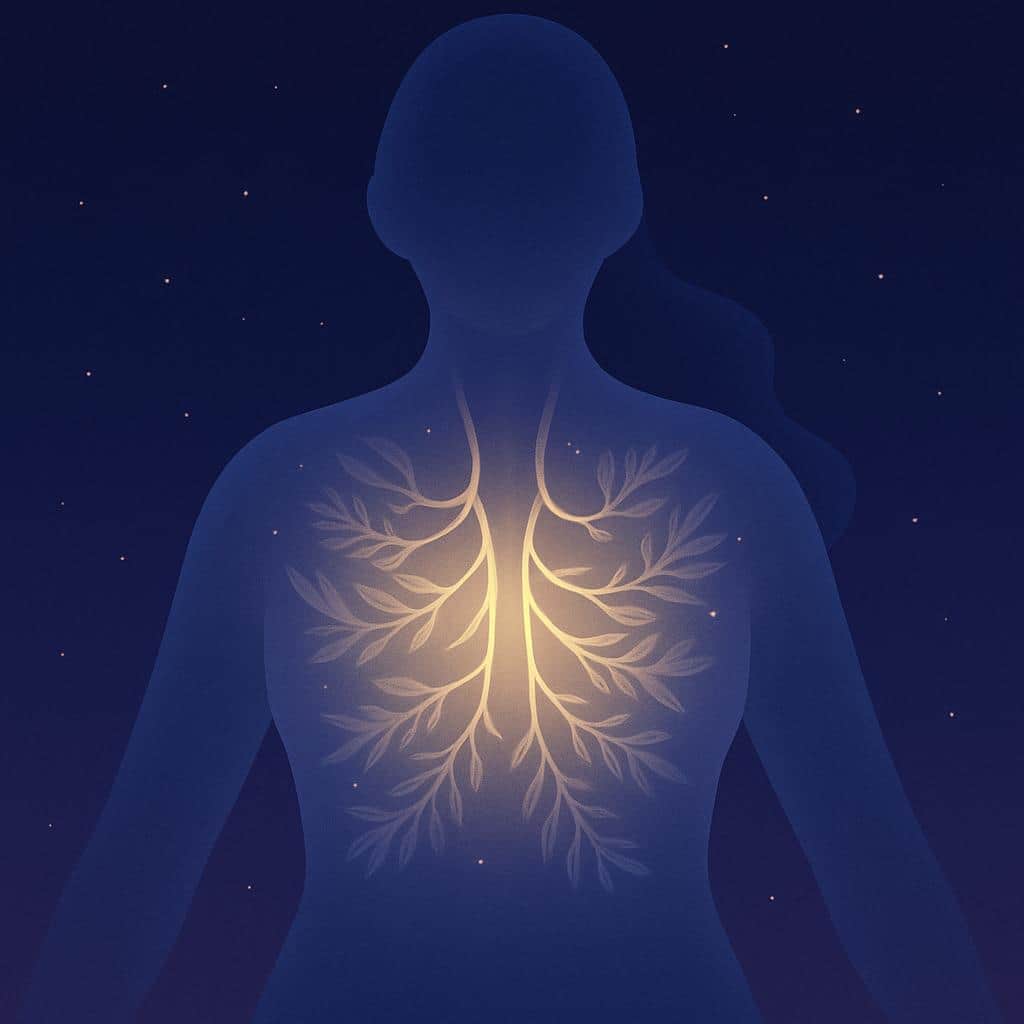
Truly distant extra-pelvic disease (for example, inside the chest cavity or lungs, often grouped under thoracic endometriosis syndrome) is considered rare, even though it’s the most common of the rare extra-pelvic presentations. Because these cases can be overlooked, the pattern matters: symptoms that reliably flare with your cycle, such as right-sided upper abdominal/shoulder/chest pain, shortness of breath, or recurrent lung collapse around menstruation, can be a clue that endometriosis may not be limited to the pelvis. If this sounds familiar, our team can help you think through your symptom pattern and plan the right evaluation and surgical strategy, including inspecting areas like the diaphragm when it’s appropriate.
Where to go from here
Understand it, compare it with what you're feeling, then talk it through with us.
Step 2 · Compare
Symptoms it can relate to
Step 3 · Speak with Us
Worried your symptoms are beyond pelvic endo?
Extra-pelvic endometriosis is uncommon, but deep disease can be missed. Our specialists can evaluate whole-body symptom patterns and plan imaging and treatment for suspected diaphragm, bowel, or thoracic involvement.
Questions people ask next
All deep disease questionsCan endometriosis affect organs outside the pelvis?
Yes, endometriosis can affect organs above the pelvis, such as the intestines, and in rarer cases the diaphragm or lungs. Symptoms may follow a menstrual pattern, including upper abdominal or chest pain, shortness of breath, or bowel symptoms.
Does thoracic endometriosis always happen with pelvic endometriosis?
No, thoracic endometriosis does not always occur with pelvic endometriosis, although many people have both. Thoracic disease can be present even when pelvic symptoms are mild or seem improved after treatment, and a normal pelvic exam does not rule it out.
Can you have endometriosis without pelvic pain?
Yes, endometriosis can be present even without pelvic pain, and symptom severity doesn’t reliably reflect the extent of disease. It may show up as infertility, abnormal bleeding, pain with sex, bowel or bladder symptoms, or persistent bloating.
How common is endometriosis?
Endometriosis is common, affecting about 1 in 10 people of reproductive age. Higher rates are seen among people being evaluated for infertility or chronic pelvic pain, and many patients live with it for years before getting a clear explanation for their pain.
Further reading
Beyond the Abdomen: Endometriosis in the Diaphragm and Nerves
Discover rare symptoms of endometriosis involving the diaphragm and nerves. Understand the importance of accurate diagnosis and emerging research.
Diaphragmatic Endometriosis: Symptoms and Treatment Options
Learn what diaphragmatic endometriosis is, how it affects the diaphragm, key symptoms, causes, diagnosis options, treatments, and potential complications.
Thoracic Endometriosis: Understanding Symptoms, Diagnosis, and Treatment Options
Chest pain or shortness of breath during your period? Thoracic Endometriosis Syndrome is a rare but serious condition often missed for years. Learn the signs.