General
Non-hormonal options for hot flashes and sleep?
The short answer
Non-hormonal options include certain SSRIs/SNRIs, gabapentin or clonidine, which can reduce hot flashes and help some patients sleep more consistently. Cooling strategies, paced breathing and CBT-I can also support sleep and symptom coping.
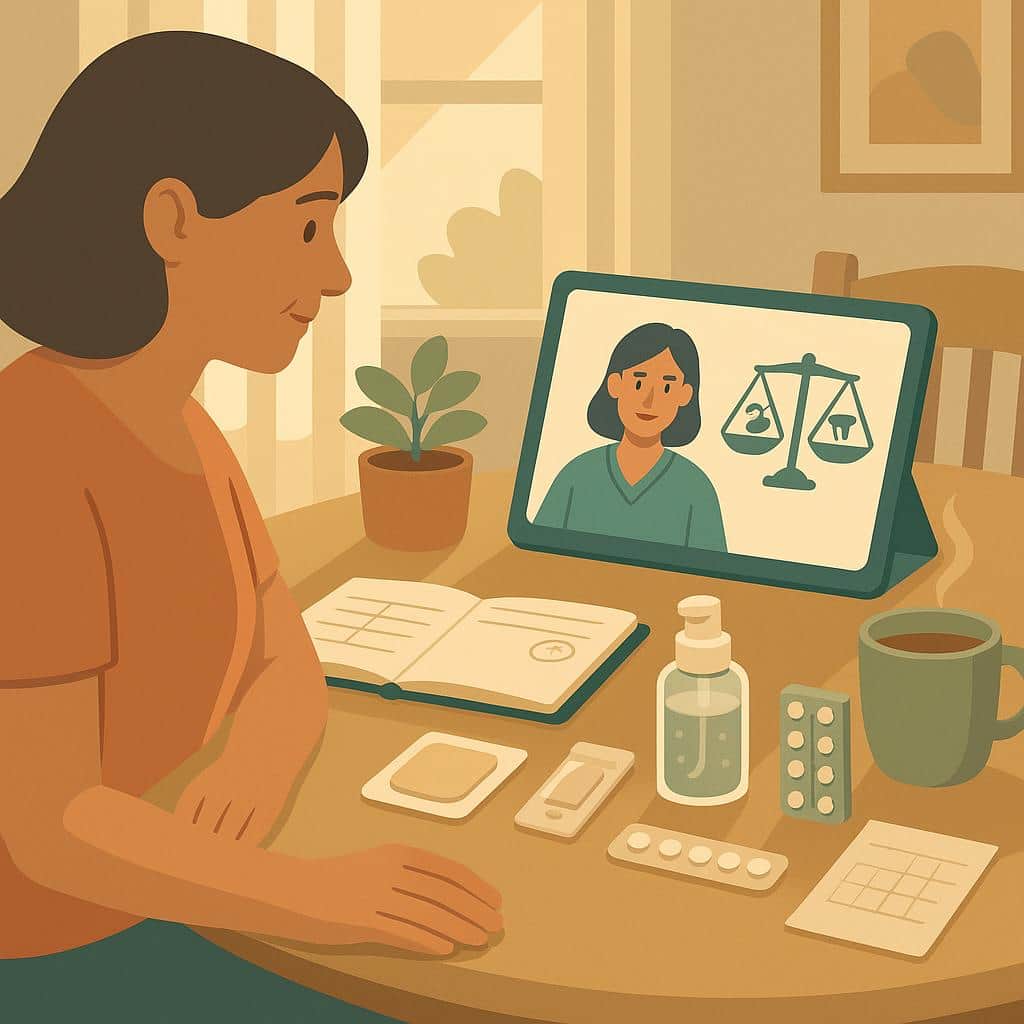
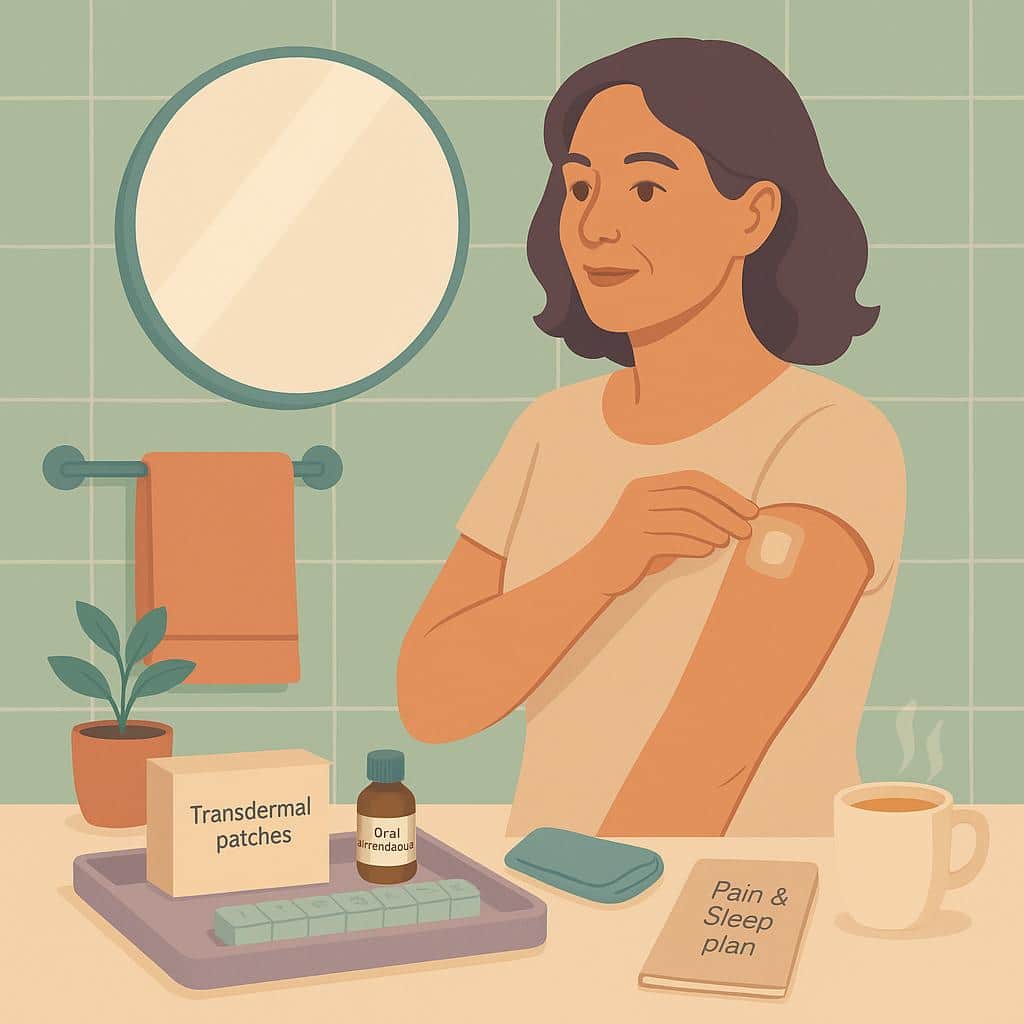
If you can’t (or simply prefer not to) use hormones for hot flashes and disrupted sleep, there are several evidence-based non-hormonal options we can consider. Common prescription options include certain SSRIs/SNRIs, gabapentin, or clonidine, which can reduce vasomotor symptoms and help some patients sleep more consistently. Practical cooling strategies can also make a meaningful difference, especially when night sweats are the main reason for poor sleep.
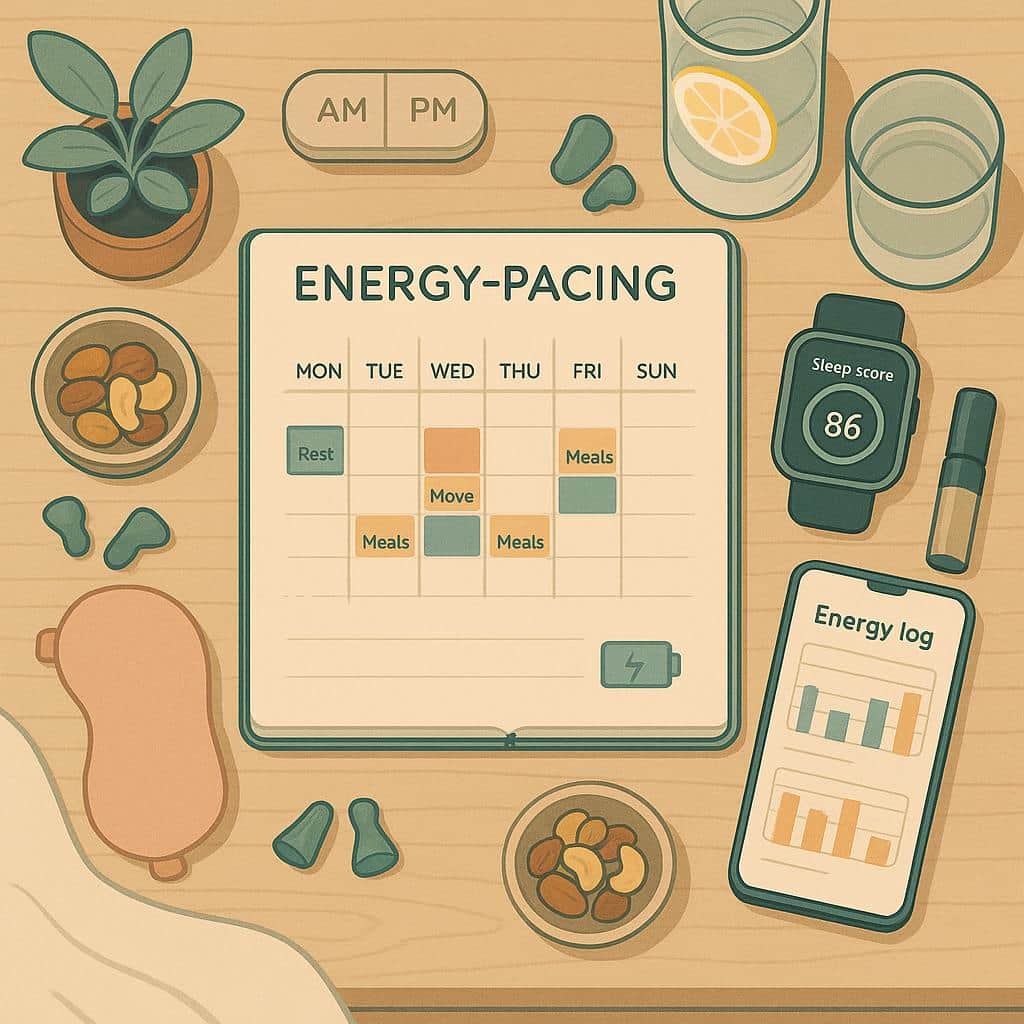
Newer targeted non-hormonal therapies, including neurokinin (NK) receptor antagonists such as fezolinetant or elinzanetant, may be a good fit for people who want to avoid estrogen-based treatment while prioritizing quality of life. We also often recommend mind-body approaches like paced breathing and CBT-I, which can support sleep and help you cope with symptoms without adding hormones. If you’re dealing with hot flashes alongside pelvic pain conditions like endometriosis or adenomyosis, our team can help you weigh these options and choose a plan that fits your symptoms and goals. Reach out to schedule a consultation.
Where to go from here
Understand it, compare it with what you're feeling, then talk it through with us.
Step 3 · Speak with Us
Struggling with Hot Flashes?
Our specialists offer effective non-hormonal treatments for hot flashes and sleep troubles tailored to your needs. Let's find the right solution to improve your comfort and rest.
Questions people ask next
All general questionsWhy do I sweat during an endometriosis flare?
Sweating during an endometriosis flare is often your body’s stress response to pain and inflammation. Pain can trigger a fight-or-flight response with sweating, chills, and shakiness, while inflammation can also disrupt temperature regulation.
Does endometriosis go away after menopause?
Endometriosis does not always go away after menopause. Many people notice improvement as ovarian estrogen falls, but endometriosis can persist, and in some cases symptoms can begin around menopause or after periods stop. Hormone therapy can sometimes reactivate symptoms.
Why does pain worsen with stress or poor sleep?
Stress and poor sleep can worsen endometriosis-related pain by making your nervous system more reactive to discomfort. Sleep loss lowers pain tolerance, while stress hormones and muscle tension can amplify pain and feed a flare cycle.
Further reading
Managing Menopause With Endometriosis and HRT
How to use HRT safely with endometriosis: recurrence and malignancy risks, when to start after surgical menopause, and hormone vs non-hormone treatment options.
Endometriosis in Menopause: Expert Guidance & Insights
Expert guidance for endometriosis in menopause: HRT options, safe pain relievers, stress reduction, exercise, pelvic floor therapy, and when to seek care.
Endometriosis Fatigue : A Practical Guide to Relief
Understand why endometriosis drains energy (chronic pain, hormones, poor sleep, anemia, inflammation) and get practical tips for fatigue, pain, stress, and daily function.