Surgery
What are the treatment options for endometriosis?
The short answer
Endometriosis treatment usually involves medication to suppress symptoms or surgery to diagnose and treat the disease. Hormonal therapies can lessen pain and bleeding for some people, while expert excision surgery removes endometriosis tissue for long-term relief.
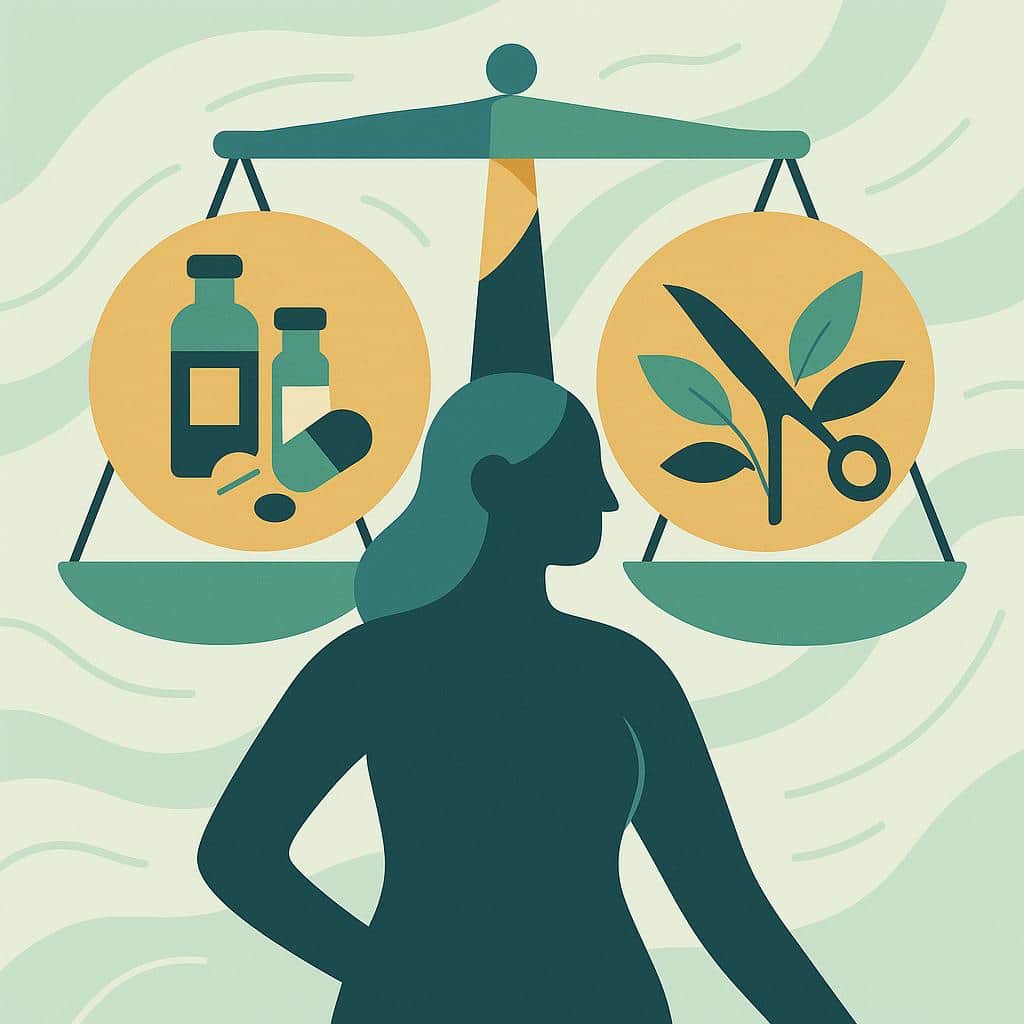
Endometriosis treatment usually falls into two main approaches: symptom suppression with medication and definitive diagnosis and treatment with surgery. Hormonal therapies (like birth control, progestins, or estrogen-suppressing medications) can lessen pain and bleeding for some people, but because they generally don’t remove endometriosis tissue, symptoms often return when medication is stopped. Side effects can also be a real limiting factor.
For long-term relief, the cornerstone is expert excision surgery (physically removing endometriosis, adhesions, and fibrosis) because it addresses disease at its roots and allows confirmation of the diagnosis. In our practice, we focus on meticulous robotic excision for precision and safety, including complex cases where endometriosis may involve the ovaries, bladder, bowel, diaphragm, nerves, or coexist with adenomyosis. Many patients also benefit from a coordinated plan after surgery to support recovery and help maintain results. If you’d like, reach out to our team to talk through which treatment pathway fits your symptoms, anatomy, and fertility goals.
Where to go from here
Understand it, compare it with what you're feeling, then talk it through with us.
Step 1 · Understand
Understand the condition
Step 2 · Compare
Symptoms it can relate to
Step 3 · Speak with Us
Ready for Lasting Relief?
Our specialists provide expert excision surgery to remove endometriosis tissue and help you reclaim your life. Let us guide you toward pain-free days with personalized treatment options.
Questions people ask next
All surgery questionsWhat is tried first for endometriosis pain, and how is it chosen?
Many patients start with hormonal suppression, such as continuous combined hormonal contraception, a progestin-only medication, or a levonorgestrel IUD. The choice depends on pain, bleeding goals, migraine history, clot risk, prior hormone side effects, and fertility timing.
Do hormones or birth control treat endometriosis?
Hormonal birth control and other hormone therapies can reduce endometriosis symptoms, but they usually don’t treat the disease itself. They don’t remove endometriosis lesions or restore normal anatomy, so pain can return when you stop them.
Can endometriosis be cured or only put into remission?
Endometriosis doesn’t currently have a proven permanent cure, but many people can achieve major, lasting symptom improvement. Treatment typically aims for durable relief and disease control, which many patients describe as remission, while protecting long-term pelvic health.
What complementary therapies can help endometriosis symptoms?
Nutrition-focused changes, acupuncture, and pelvic floor physical therapy may help some people manage endometriosis symptoms, especially pain, alongside medical treatment. Evidence is mixed, and these approaches do not remove endometriosis or adenomyosis.
Further reading
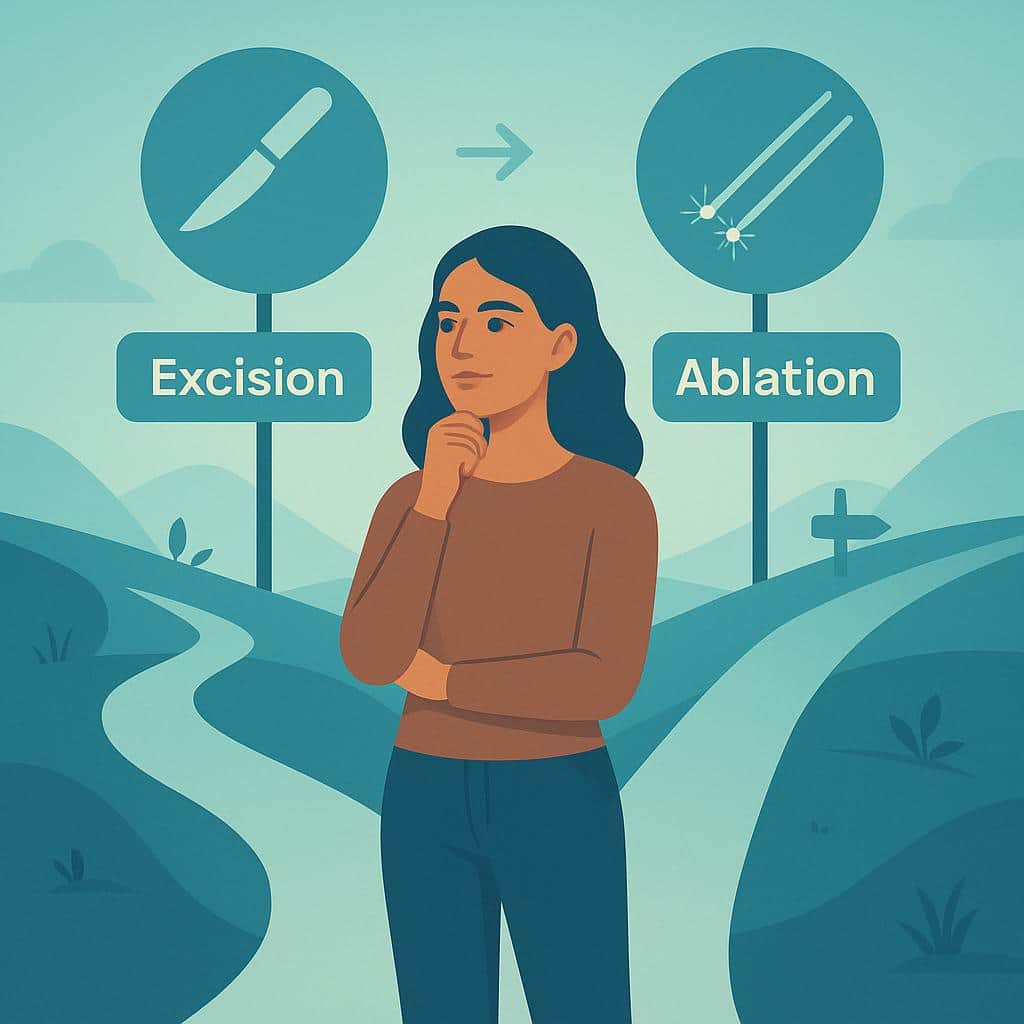
Excision vs Ablation: Understanding Endometriosis Surgery Options
Explore excision vs ablation for endometriosis. Learn about surgery options, pain relief, and making informed choices based on your fertility goals.
Should You Try Hormone Therapy Before Endometriosis Surgery?
Explore the benefits of hormone therapy before endometriosis surgery. Learn about GnRH agonists and their impact on pain and recovery.
Non-hormonal Options for Endometriosis Pain: What’s Actually Worth Trying?
Discover evidence-based nonhormonal treatments for endometriosis pain. Find options you can try now for effective symptom management.