
Symptoms
When is urgent care needed for severe GI symptoms?
The short answer
Urgent evaluation is needed for severe, persistent abdominal or pelvic pain with vomiting, fever, black or bloody stools, or inability to pass gas or stool. Rapid, unexplained weight loss or signs of anemia, such as unusual dizziness, faintness or looking very pale, also need urgent evaluation.
If you have severe, persistent abdominal or pelvic pain with vomiting, fever, black or bloody stools, or you cannot pass gas or have a bowel movement, we want you to be evaluated urgently. The same goes for rapid, unexplained weight loss or signs of anemia such as unusual dizziness, faintness, or looking very pale.
Endometriosis can cause significant GI symptoms, but these red-flag changes aren’t typical of a routine flare and can signal problems that shouldn’t wait. If your symptoms escalate quickly or feel clearly different from your usual pattern, it’s reasonable to seek urgent assessment, then reach out to our team so we can help you plan next steps once you’re stabilized.
Where to go from here
Understand it, compare it with what you're feeling, then talk it through with us.
Step 3 · Speak with Us
Severe GI Symptoms Need Quick Action
If you're experiencing intense pain, vomiting, fever, or alarming changes, don't wait to get checked. Our specialists can urgently evaluate your symptoms and guide you to the right care.
Questions people ask next
All symptoms questionsWhen should I see a gastroenterologist?
It’s worth seeing a gastroenterologist for rectal bleeding, unintended weight loss, persistent or nighttime diarrhea, or other red-flag bowel symptoms. We also often recommend it if IBS-like symptoms are severe, recurrent, or don’t improve with endometriosis care and nutrition adjustments.
When is period-related constipation an emergency?
Period-related constipation is an emergency with severe, worsening belly pain and a swollen belly, repeated vomiting, or prolonged inability to pass gas or stool. Significant rectal bleeding, black/tarry stools, fainting, or signs of dehydration are also emergency signs.
When should I seek urgent evaluation instead of waiting?
Seek urgent evaluation for severe or rapidly worsening abdominal pain, fever, fainting, heavy bleeding, chest pain, or shortness of breath, which can signal an emergency. If testing suggests very bulky, widespread disease, it may be wise not to wait and see.
Further reading
When “Appendicitis” Is Endometriosis in Disguise
Right-sided pain that mimics appendicitis may be appendix endometriosis. Symptoms, why scans miss it, how it’s diagnosed, treatment options, and red flags.
Endometriosis or Inflammatory Bowel Disease? The Key Differences
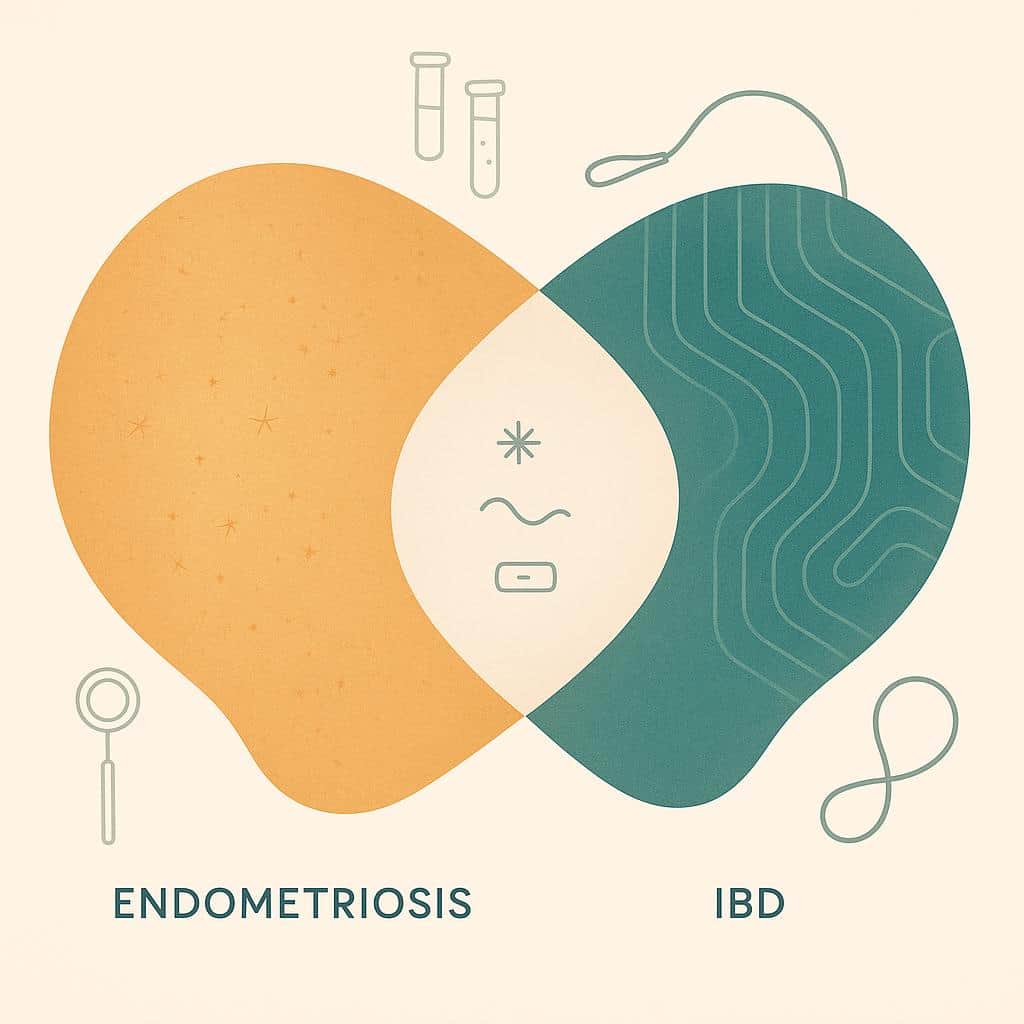
How endometriosis and inflammatory bowel disease differ and overlap. Symptoms, diagnostic challenges, epidemiology, treatment risks, and research gaps.
Bowel Endometriosis: Causes, Symptoms, and Treatment
Bowel endometriosis explained: locations, symptoms, causes, diagnosis and misdiagnosis, plus treatments from minimally invasive surgery to lifestyle changes.