
Symptoms
Why does endometriosis cause fatigue?
The short answer
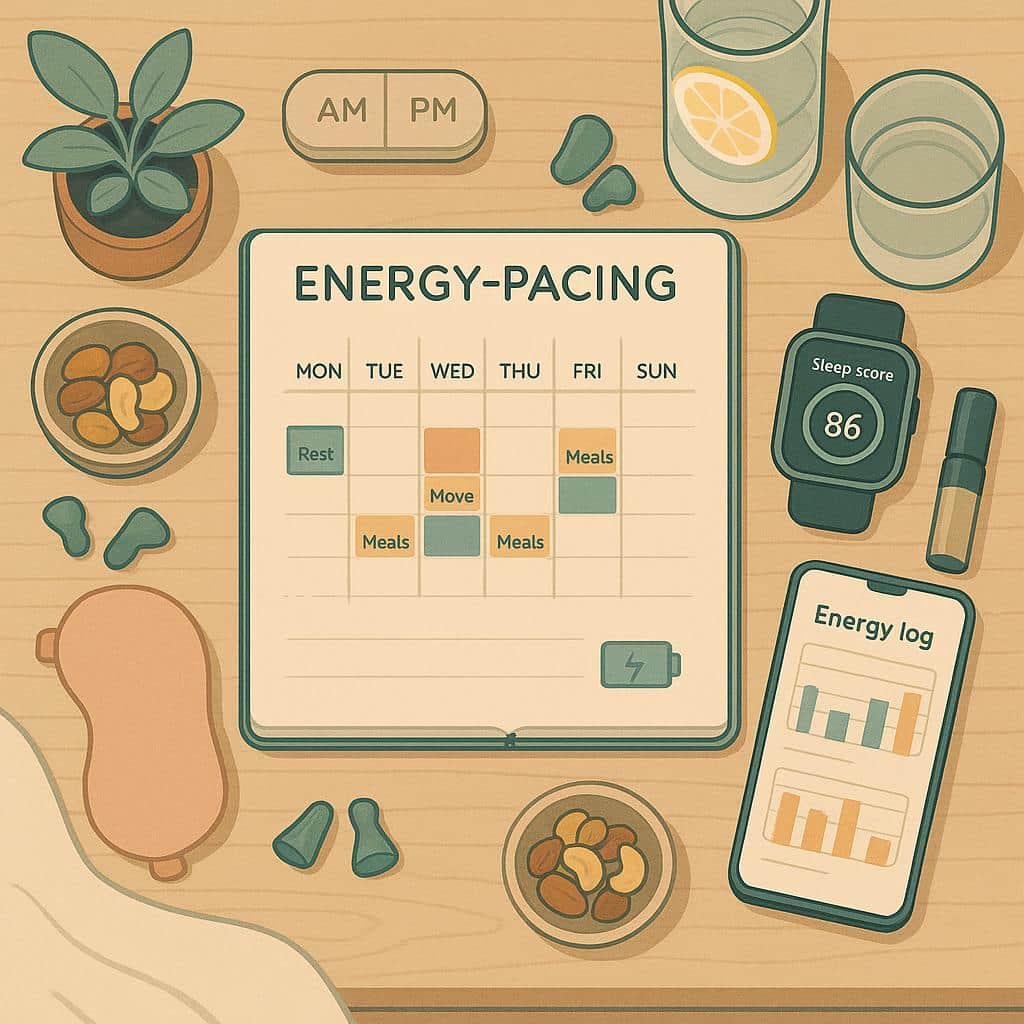
Endometriosis can cause fatigue through ongoing pain, disrupted sleep and chronic inflammation. Heavy or prolonged bleeding can contribute to iron deficiency and anemia, while hormone changes and sometimes hormonal treatment side effects can add to exhaustion.
Endometriosis can cause fatigue because it puts a constant strain on the body, especially when pain is frequent or persistent. Ongoing pain is physically draining, increases stress hormones, and can keep the nervous system on high alert, making rest feel less restorative. Many patients also have disrupted sleep from nighttime pain, bloating, urinary or bowel symptoms, or cycle-related symptom flares, which quickly compounds exhaustion.
Fatigue can also be driven by biological changes that often accompany endometriosis, including chronic inflammation and immune system dysregulation. Heavy or prolonged bleeding (from endometriosis and/or adenomyosis) can contribute to iron deficiency and anemia, which commonly show up as low energy, weakness, and brain fog. Hormone fluctuations across the cycle, and sometimes the side effects of hormonal treatments, can add to fatigue.
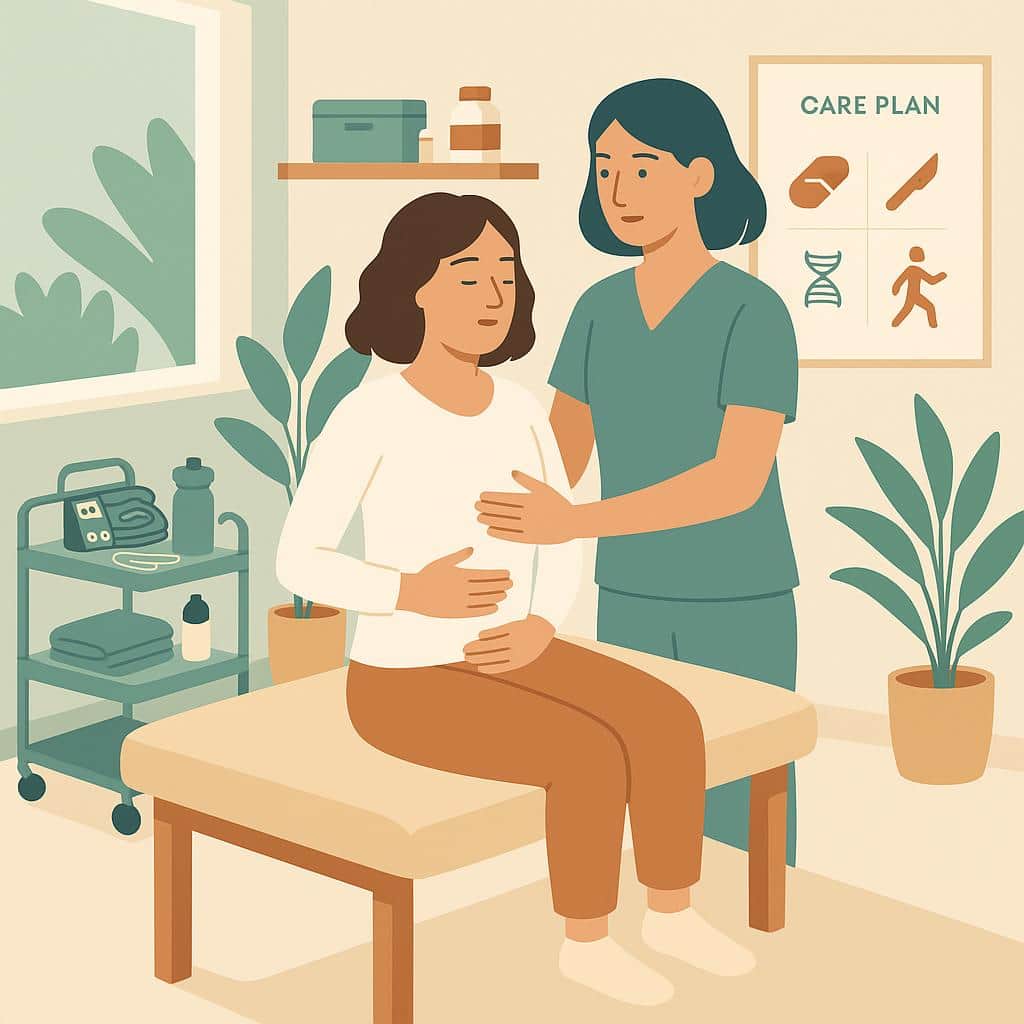
Because fatigue has multiple causes, the most effective next step is usually figuring out which apply to you (pain/sleep, bleeding and iron, inflammation, hormone patterns, and other medical contributors). If fatigue is affecting your daily life, our team can help evaluate how much is likely endometriosis- or adenomyosis-related and outline a plan that targets the root cause rather than temporarily pushing through it.
Where to go from here
Understand it, compare it with what you're feeling, then talk it through with us.
Understand
Understand the condition
Speak with Us
Exhausted by Endometriosis?
Ongoing pain and inflammation can leave you feeling drained and unrested. Our specialists understand these complexities and are here to help manage your fatigue and symptoms.
Questions people ask next
All symptoms questionsWhat causes severe fatigue?
With endometriosis or adenomyosis, severe fatigue can come from inflammation, pain that keeps your nervous system on high alert, interrupted sleep, and stress hormones that stay elevated. These can drain your energy and leave you feeling deeply exhausted.
Does adenomyosis cause fatigue differently than endometriosis?
Yes, fatigue can show up differently: heavy bleeding with adenomyosis can lead to iron deficiency or anemia, while endometriosis fatigue is often tied to chronic pain, poor sleep, and inflammation. Many patients have both conditions, so fatigue can have multiple causes.
Can stress reduction improve sleep and fatigue with endometriosis?
Yes, stress reduction can improve sleep quality and, in turn, persistent fatigue for many people with endometriosis. A consistent evening wind-down, low light before bed, a consistent wake time and calming breathing can support deeper sleep.
How can hormonal therapy affect fatigue in endometriosis?
Hormonal therapy can improve fatigue in endometriosis by reducing heavy bleeding and inflammatory activity. Many patients notice less pelvic pain and fewer symptom flares that disrupt sleep, but the response to hormonal therapy is individualized.
Further reading
What Helps Endometriosis Fatigue A Practical Guide to Relief
What helps endometriosis fatigue? Explore pain, sleep, bleeding, hormones, and inflammation, plus practical steps and when to seek a fuller evaluation.
Supportive Therapies That Help Ease Endometriosis Pain
Endometriosis pain relief with supportive, integrative therapies: diagnosis, medical and hormonal care, surgery's role, nutrigenomic and epigenetic insights.
Why Your Endometriosis Pain Can Feel So Unrelenting
Discover why endometriosis causes pain and scarring. Learn about TGF-β signaling and its role in symptoms and treatment. Empower your health journey.