
Symptoms
Can adenomyosis cause weight gain?
The short answer
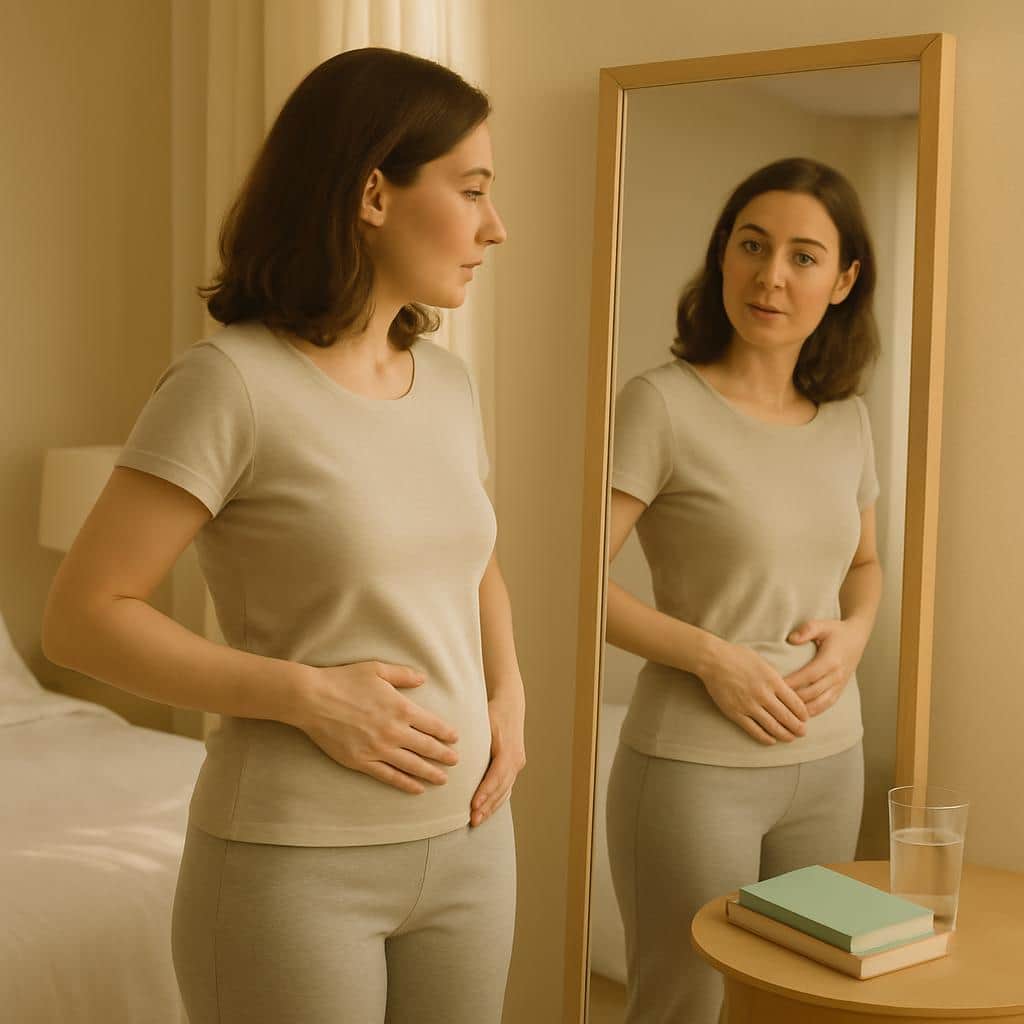
Adenomyosis isn’t proven to directly cause true fat gain, but it can lead to body changes that feel like weight gain. Bloating, fluid shifts, constipation and an enlarged uterus can increase scale weight or waistband size without reflecting long-term fat gain.
Adenomyosis isn’t proven to directly cause true fat gain, but it can absolutely lead to body changes that feel like weight gain. Because adenomyosis can enlarge the uterus and drive inflammation, many patients notice pelvic heaviness, abdominal distension, and a swollen look that can fluctuate, especially around the menstrual cycle. Heavy bleeding can also contribute to fatigue. When you’re exhausted or in pain, it’s common to move less and feel less like yourself in your body.
It’s also worth sorting out what you’re experiencing: cyclical bloating and fluid shifts, constipation or GI distension, and uterine enlargement can all increase scale weight or waistband size without reflecting long-term fat gain. If you’re noticing persistent, unexplained changes (especially with heavy periods, worsening cramps, or pressure), our team can help you evaluate whether adenomyosis is part of the picture, whether endometriosis is also contributing, and which treatment options best match your goals: symptom control, fertility planning, or more definitive relief.
Where to go from here
Understand it, compare it with what you're feeling, then talk it through with us.
Step 3 · Speak with Us
Feeling Heavier? Let's Talk Adenomyosis
Adenomyosis can cause pelvic heaviness and bloating that may feel like weight gain. Our specialists understand these symptoms and can help you find relief and clarity.
Questions people ask next
All symptoms questionsWhy does adenomyosis cause bloating?
Adenomyosis can cause bloating because tissue growing into the uterine muscle can swell and bleed with hormonal cycles, leading to inflammation and an enlarged, tender uterus. This can create a feeling of abdominal fullness, especially around your period.
Can adenomyosis cause constipation without bowel endometriosis?
Yes, adenomyosis can contribute to constipation even without bowel endometriosis. An enlarged, tender uterus and period-related inflammation can make bowel movements harder, while pain and pressure can cause pelvic floor muscles to tighten.
Can adenomyosis cause fatigue?
Yes, adenomyosis can contribute to fatigue. Heavy or prolonged bleeding can lead to iron deficiency, with or without anemia, while pelvic pain, inflammation, and sleep disrupted by cramping or pressure can also leave you feeling exhausted.
Can endometriosis cause weight gain?
Endometriosis is not proven to directly cause fat gain, but it can contribute to bloating and swelling that look like weight gain. Pain, fatigue, stress, sleep disruption, and reduced activity can also indirectly affect weight over time.
Further reading
Can Endometriosis Cause Weight Gain?
Explore how endometriosis may contribute to body changes like bloating and weight gain. Learn more about the latest research and expert insights.
Do My Symptoms Mean Adenomyosis or Endometriosis?
Discover the truth about endometriosis and adenomyosis symptoms. Understand how common they really are, and gain insights for effective advocacy.
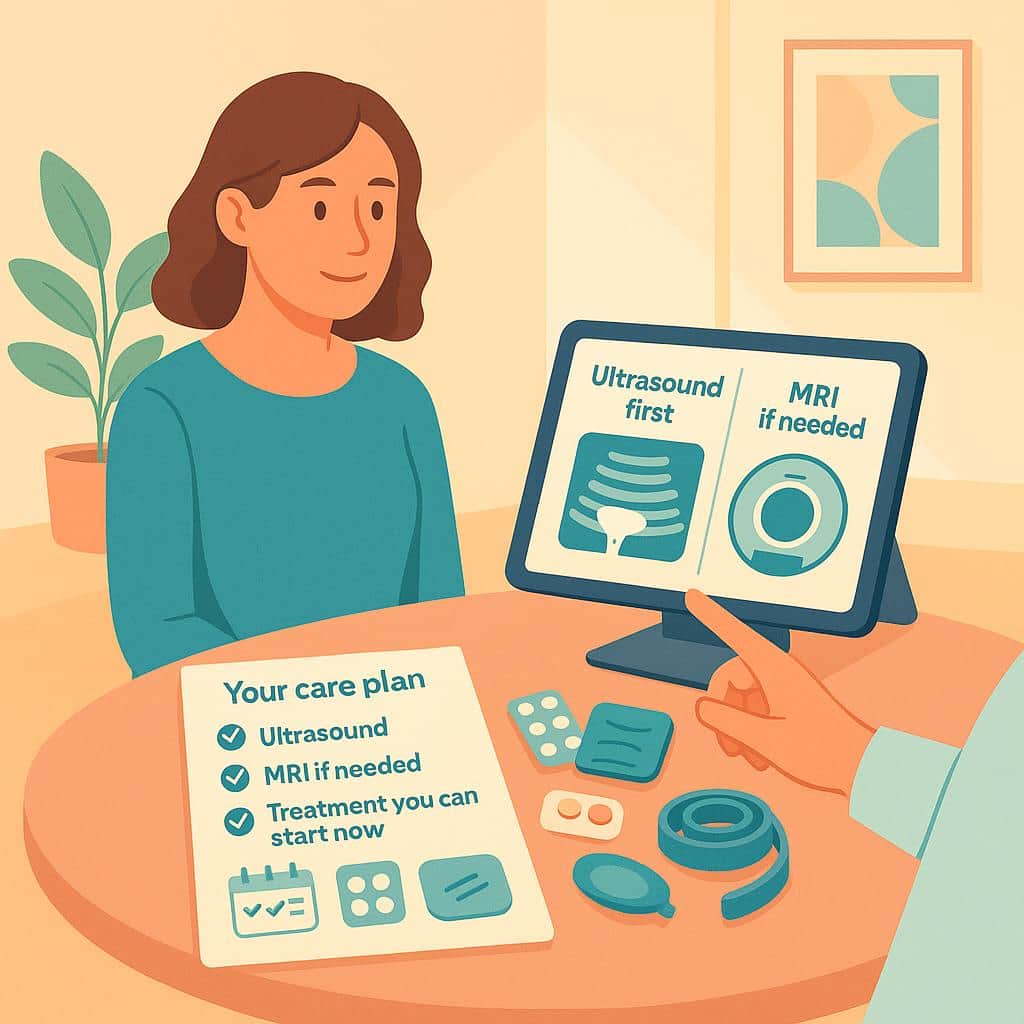
Diffuse Adenomyosis: Diagnosis and Treatment You Can Act On
A clear guide to diffuse adenomyosis: what it means, how TVUS and MRI diagnose it, and practical treatments, from hormonal IUDs to uterus-sparing options.