Symptoms
Can endometriosis cause period-related constipation?
The short answer
Yes, endometriosis can cause constipation that worsens around your period, even without endometriosis on the bowel. Inflammation, pelvic swelling and adhesions can disrupt bowel function, but other conditions can mimic the same symptoms.
Yes. Endometriosis can cause constipation that predictably worsens around your period, especially when inflammation and pelvic swelling flare with hormonal cycling. This can happen with bowel endometriosis (endometrial-like tissue on or within the bowel wall), but it can also occur without direct bowel implants. Irritated pelvic lining, adhesions, and shared nerve pathways can disrupt normal bowel function and make stool passage feel slow, tight, or painful.
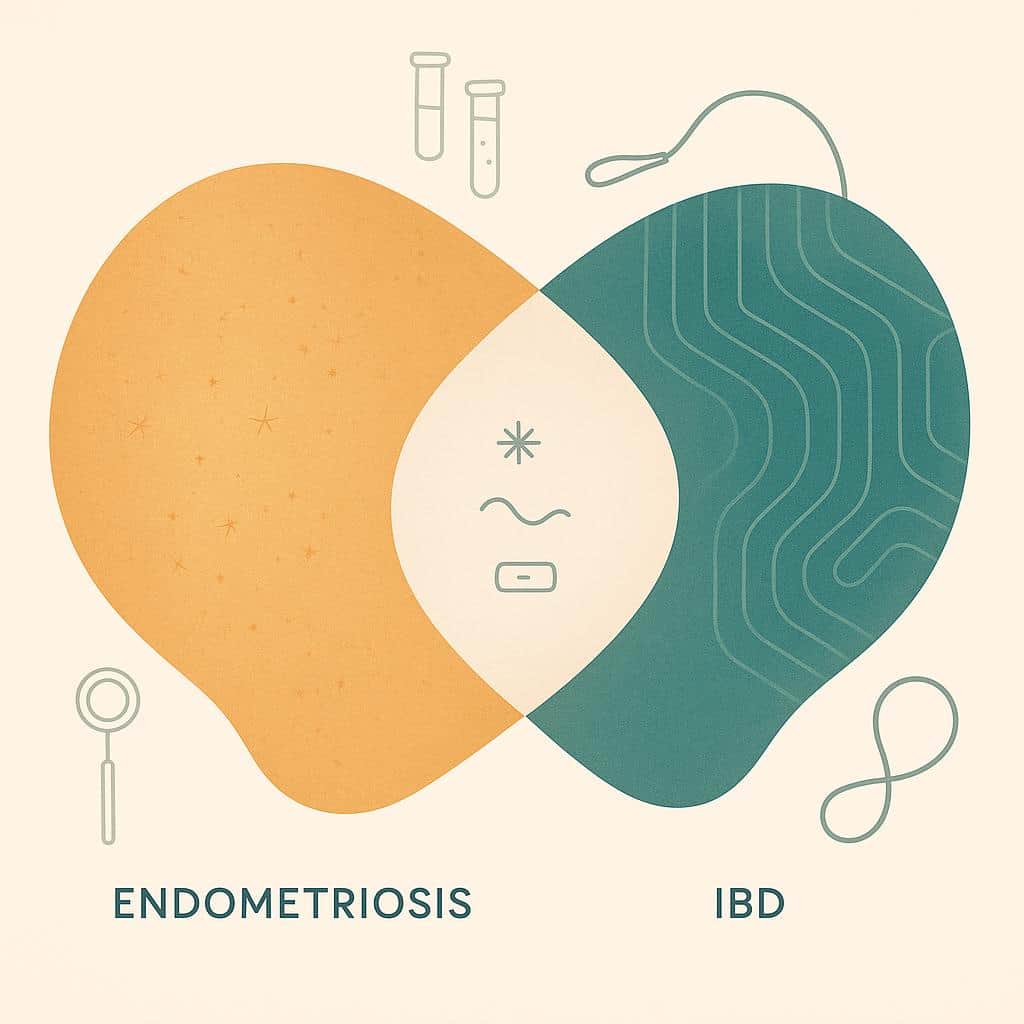
That said, constipation that flares with your cycle isn’t automatically endometriosis. IBS-like bowel sensitivity, SIBO/dysbiosis, pelvic floor dyssynergia (difficulty relaxing the pelvic floor to have a bowel movement), and inflammatory bowel disease can overlap with endometriosis and mimic the same symptoms. In our evaluation, we map your flare pattern and full symptom picture, interpret MRI/ultrasound imaging when helpful, and look for coexisting drivers so treatment targets the real cause, not just the label.
If you’re noticing constipation along with period-linked red flags like pain with bowel movements, deep pelvic pain, bloating that spikes cyclically, or rectal bleeding, it’s worth a deeper endometriosis-focused workup. You can explore our education on bowel involvement and overlapping neighbor conditions, and reach out to schedule a consultation so we can help you sort out what’s most likely in your case.
Where to go from here
Understand it, compare it with what you're feeling, then talk it through with us.
Step 1 · Understand
Understand the condition
Step 2 · Compare
Symptoms it can relate to
Step 3 · Speak with Us
Period-Related Constipation? We Can Help
If your constipation worsens around your period, it could be linked to endometriosis. Our specialists can diagnose the cause and create a treatment plan tailored to your symptoms.
Questions people ask next
All symptoms questionsIBS-C vs endometriosis constipation: how can I tell the difference?
Endometriosis-related constipation often worsens before or during your period and improves afterward, while IBS-C can cause constipation, bloating, and stool changes. Pelvic pain or painful periods can point toward endometriosis, but IBS and endometriosis can coexist.
Can constipation be a sign of bowel endometriosis?
Yes, constipation can be a sign of bowel endometriosis, especially when it predictably flares before or during your period. It can result from effects on the bowel, adhesions or pelvic floor muscle spasm, but symptoms don’t reliably show how deep endometriosis is.
Can endometriosis cause IBS-like symptoms without bowel lesions?
Yes, endometriosis can cause IBS-like symptoms even without visible bowel lesions on imaging or at surgery. Pelvic inflammation, heightened nerve sensitivity, hormone-driven changes, and pelvic floor muscle overactivity can all contribute to bowel symptoms.
Why do bowel symptoms get worse during my period?
Bowel symptoms can worsen during your period because menstrual hormones and inflammatory chemicals can directly affect the gut. Prostaglandins rise with bleeding and can increase intestinal contractions and fluid shifts, which may feel like cramping, urgency, and looser stools.
Further reading
How Endometriosis Can Affect Your Bowel and Digestion
Learn how endometriosis affects bowel health and digestion. Discover symptoms, diagnosis challenges, and treatment options. Get informed today!
Bowel Endometriosis: Causes, Symptoms, and Treatment
Bowel endometriosis explained: locations, symptoms, causes, diagnosis and misdiagnosis, plus treatments from minimally invasive surgery to lifestyle changes.
Endometriosis or Inflammatory Bowel Disease? The Key Differences
How endometriosis and inflammatory bowel disease differ and overlap. Symptoms, diagnostic challenges, epidemiology, treatment risks, and research gaps.