
Deep Disease
Can endometriosis cause upper abdominal pain after eating?
The short answer
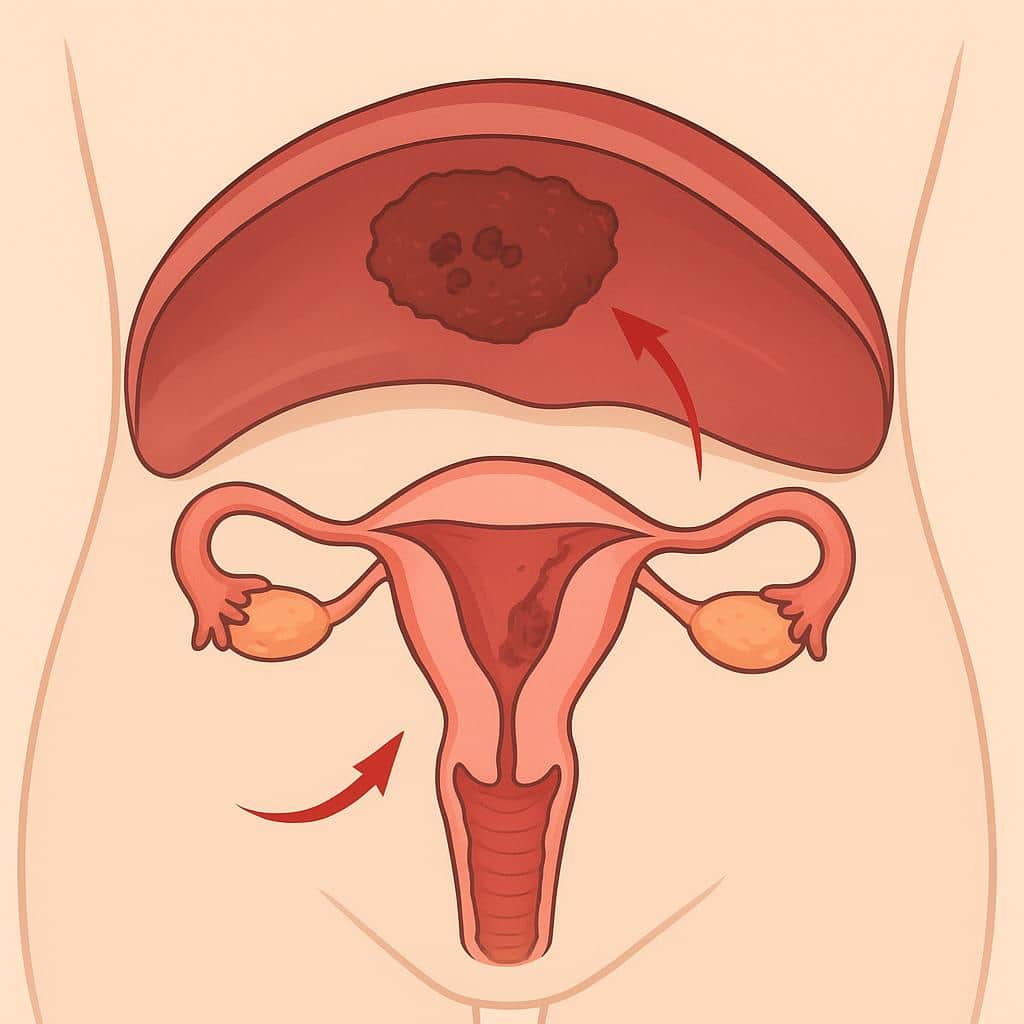
Yes, endometriosis can be linked to upper abdominal pain in some patients, especially when it involves the diaphragm or upper abdomen. But pain after eating is not automatically endometriosis; GI and other conditions can mimic or overlap with it.
Yes, endometriosis can be linked to upper abdominal pain in some patients, especially when it involves the diaphragm or upper abdomen. People may describe right-sided upper abdominal discomfort, chest or shoulder pain, or pain that can feel higher than the pelvis, and it may follow a cyclical pattern around the menstrual cycle. That said, meal-related upper abdominal pain isn’t automatically endometriosis, and we take it seriously because several GI and non-GI conditions can mimic or overlap with endo.
In our evaluation, we focus on timing (whether pain flares with periods or ovulation or is consistently triggered by meals), the exact location, and associated symptoms like bloating, reflux, bowel changes, or pain with deep breathing. We may also look for common coexisting drivers, such as gut dysbiosis/SIBO or reflux-type conditions, that can amplify inflammation and pain and create a confusing mix of symptoms. If your pattern suggests diaphragmatic or more extensive abdominal involvement, we can help determine whether advanced imaging and/or a surgical plan that includes inspection of the diaphragm makes sense.
If you’re dealing with upper abdominal pain after eating and suspect endometriosis, reach out to schedule a consultation so we can map your symptom pattern and build a targeted diagnostic plan. The goal is to avoid assumptions, identify what’s truly driving the pain, and tailor treatment, whether that means excision surgery, addressing overlapping GI factors, or both.
Where to go from here
Understand it, compare it with what you're feeling, then talk it through with us.
Step 2 · Compare
Symptoms it can relate to
Step 3 · Speak with Us
Upper Abdominal Pain After Eating?
If you experience upper abdominal pain linked to your cycle, our specialists can help identify if endometriosis is the cause. We provide thorough evaluations to pinpoint the source and guide your treatment options.
Questions people ask next
All deep disease questionsCan endometriosis affect organs outside the pelvis?
Yes, endometriosis can affect organs above the pelvis, such as the intestines, and in rarer cases the diaphragm or lungs. Symptoms may follow a menstrual pattern, including upper abdominal or chest pain, shortness of breath, or bowel symptoms.
Can endometriosis cause nausea and vomiting?
Yes, endometriosis can cause nausea and, for some patients, vomiting. Inflammation in the abdomen, irritation of pelvic organs (especially the bowel), and the body’s nervous-system response to severe pain can all trigger queasiness.
Can endometriosis cause IBS-like symptoms without bowel lesions?
Yes, endometriosis can cause IBS-like symptoms even without visible bowel lesions on imaging or at surgery. Pelvic inflammation, heightened nerve sensitivity, hormone-driven changes, and pelvic floor muscle overactivity can all contribute to bowel symptoms.
Can foods worsen endometriosis symptoms?
Yes, certain foods can worsen endometriosis symptoms for some people, but there is no universal endometriosis diet. Eating patterns that increase inflammation or trigger gut symptoms can amplify pain, bloating, and fatigue.
Further reading
Diaphragmatic Endometriosis: Symptoms and Treatment Options
Learn what diaphragmatic endometriosis is, how it affects the diaphragm, key symptoms, causes, diagnosis options, treatments, and potential complications.
How Endometriosis Can Affect Your Bowel and Digestion
Learn how endometriosis affects bowel health and digestion. Discover symptoms, diagnosis challenges, and treatment options. Get informed today!
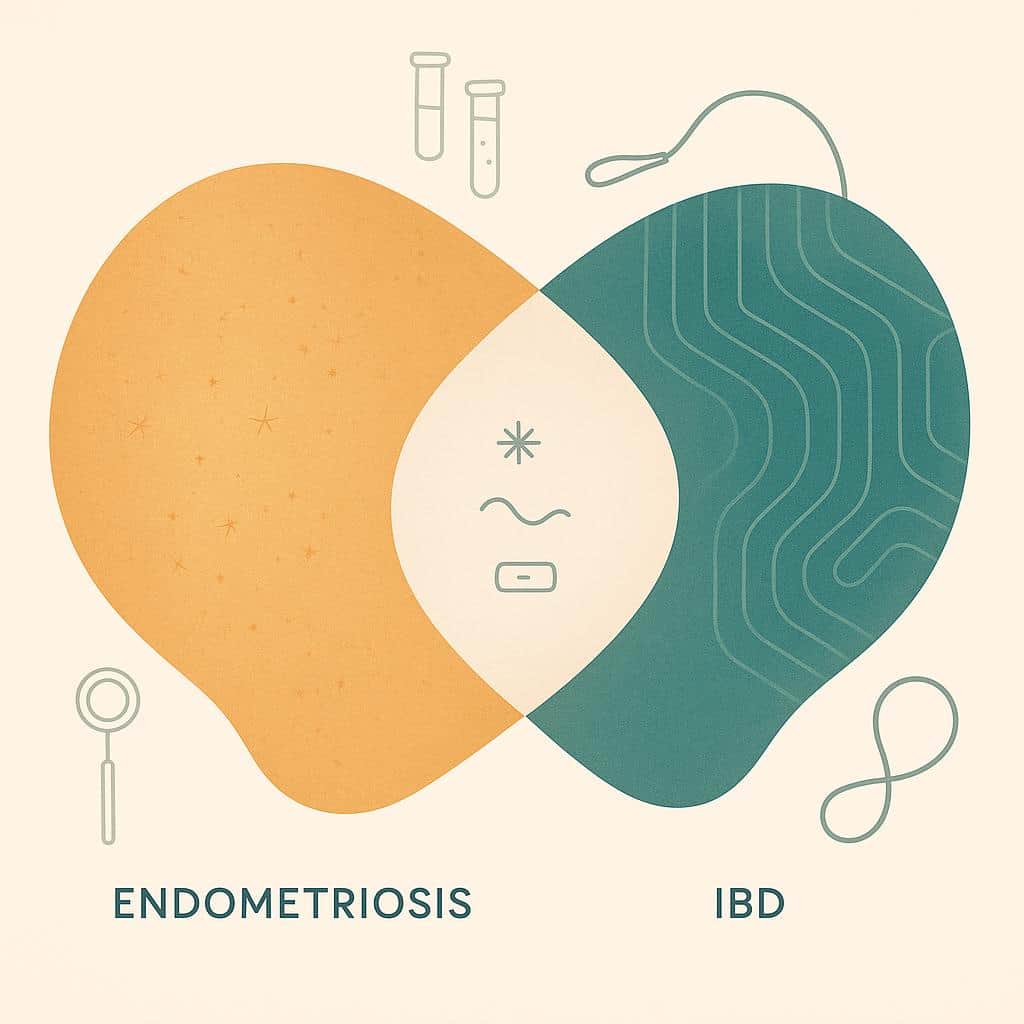
Endometriosis or Inflammatory Bowel Disease? The Key Differences
How endometriosis and inflammatory bowel disease differ and overlap. Symptoms, diagnostic challenges, epidemiology, treatment risks, and research gaps.