
Symptoms
Can nerve pain improve without surgery?
The short answer
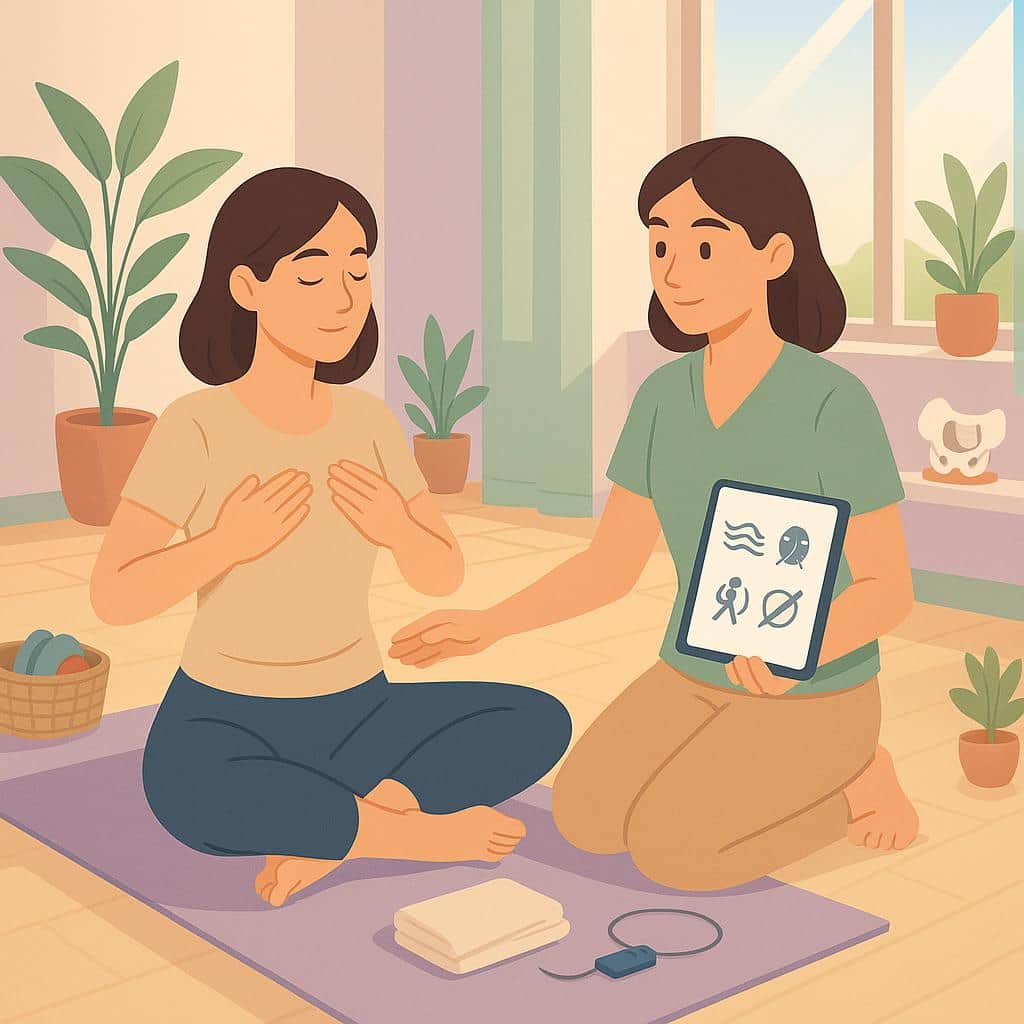
Yes, nerve-type pelvic pain can improve without surgery, especially when irritation or inflammation is the cause rather than nerve compression. Pelvic floor physical therapy, graded movement, and medications that calm nerve pathways can be part of a personalized plan.
Yes, nerve-type pelvic pain can improve without surgery, especially when it’s driven by irritation, inflammation, or sensitization rather than true mechanical compression. Many people do well with targeted pelvic floor physical therapy, careful activity pacing with graded movement, and attention to sleep and stress patterns that can amplify nerve signaling.
Medications that calm overactive nerve pathways can also be part of a personalized plan. Surgery becomes more relevant when your history, exam, and sometimes imaging point to nerve entrapment or deep infiltrating endometriosis compressing nerves, or when you’ve given conservative options a full trial and symptoms remain limiting. Our team can help clarify the most likely driver of your nerve pain and map out the least invasive path forward, including whether surgery is likely to offer meaningful relief.
Where to go from here
Understand it, compare it with what you're feeling, then talk it through with us.
Step 1 · Understand
Understand the condition
Step 2 · Compare
Symptoms it can relate to
Step 3 · Speak with Us
Relieve Nerve Pain Without Surgery
Pelvic nerve pain can often improve with targeted therapies and lifestyle changes. Our specialists tailor plans including physical therapy and medication to help you find relief.
Questions people ask next
All symptoms questionsWhat treatments help nerve-related pain in endometriosis or adenomyosis?
Treatments for nerve-related pain in endometriosis or adenomyosis may include nerve-pain medicines, topical lidocaine in select situations, TENS and pelvic floor rehabilitation. For some patients, nerve blocks can help identify pain pathways and provide relief.
How does pelvic floor PT reduce endometriosis pain?
Pelvic floor PT calms overactive pelvic muscles so they can relax and coordinate again, which often reduces pain linked to tension. Gentle, targeted techniques release trigger points, improve tissue mobility, and help desensitize irritated nerves.
How can I manage sensitized nerve pain flares day to day?
Day to day, aim to calm sensitized nerve pain with paced, gentle movement, simple breathwork and consistent sleep support, while avoiding overexertion. Many patients also get relief from heat or a TENS unit, especially when used early in a flare.
How is neuropathic pelvic pain evaluated, and when is it urgent?
Neuropathic pelvic pain is evaluated by reviewing symptoms and examining sensation and pelvic floor muscles; imaging may help. It is urgent with new leg weakness, foot drop, saddle-area numbness, fever with severe back pain, or sudden inability to pass urine or stool.
Further reading
Non-hormonal Options for Endometriosis Pain: What’s Actually Worth Trying?
Discover evidence-based nonhormonal treatments for endometriosis pain. Find options you can try now for effective symptom management.
Can Physical Rehab Reduce Endo and Adeno Pain?
How pelvic rehab and pelvic floor PT can help endometriosis and adenomyosis pain. What it treats best, who benefits, timelines, red flags, and questions to ask.
When Your Nervous System Won’t Stand Down After Endometriosis Surgery
Explore why pain persists after endometriosis surgery and learn about central sensitization's role in pain management.