
Deep Disease
Do I need a colorectal surgeon for bowel endometriosis surgery?
The short answer
Sometimes, especially if imaging or an exam suggests deeper bowel involvement that may require opening, repairing or removing part of the bowel. A general surgeon or gynecologic oncologist credentialed in bowel surgery may also provide the needed expertise.
Sometimes, especially if imaging or exam suggests deeper rectal or sigmoid involvement and there is a real possibility that the bowel wall may need to be opened, repaired, or resected. Bowel endometriosis can range from superficial implants on the outer surface of the bowel to deep disease that infiltrates the muscular layers and narrows or distorts the lumen. The deeper it goes, the more important it is to have a team that can safely handle bowel entry, suturing, stapling, and anastomosis if needed. In most cases, a general surgeon or colorectal surgeon is required, unless your primary surgeon is a gynecologic oncologist or your team includes one. All three are credentialed in bowel surgery.
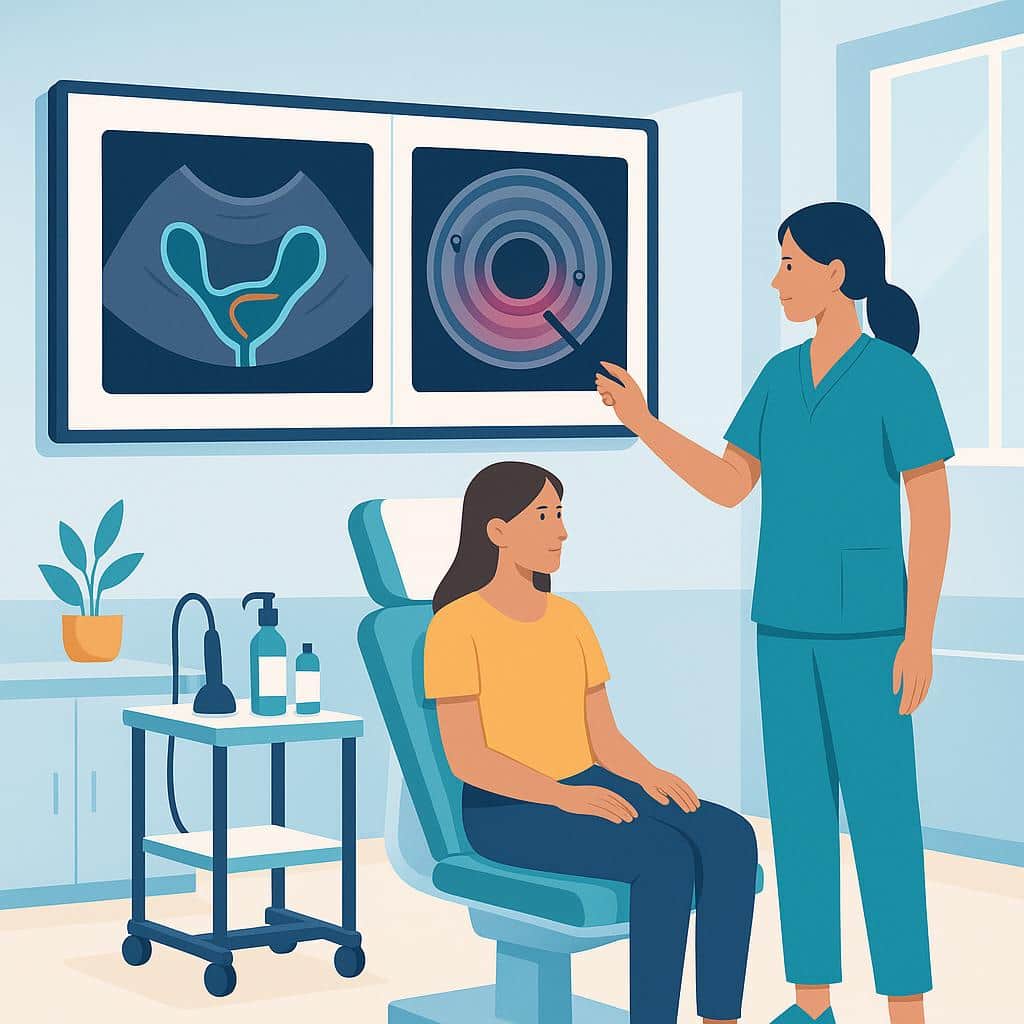
In many patients, bowel-type symptoms come from inflammatory pelvic disease and adhesions even without full-thickness bowel involvement, and surgery may be limited to careful excision off the bowel surface, or “shaving,” without requiring a formal bowel procedure. Ideally, the decision is made with pre-op mapping (often ultrasound and/or MRI) and a plan that matches your anatomy, so you’re not surprised in the operating room by an unanticipated higher-risk bowel step.
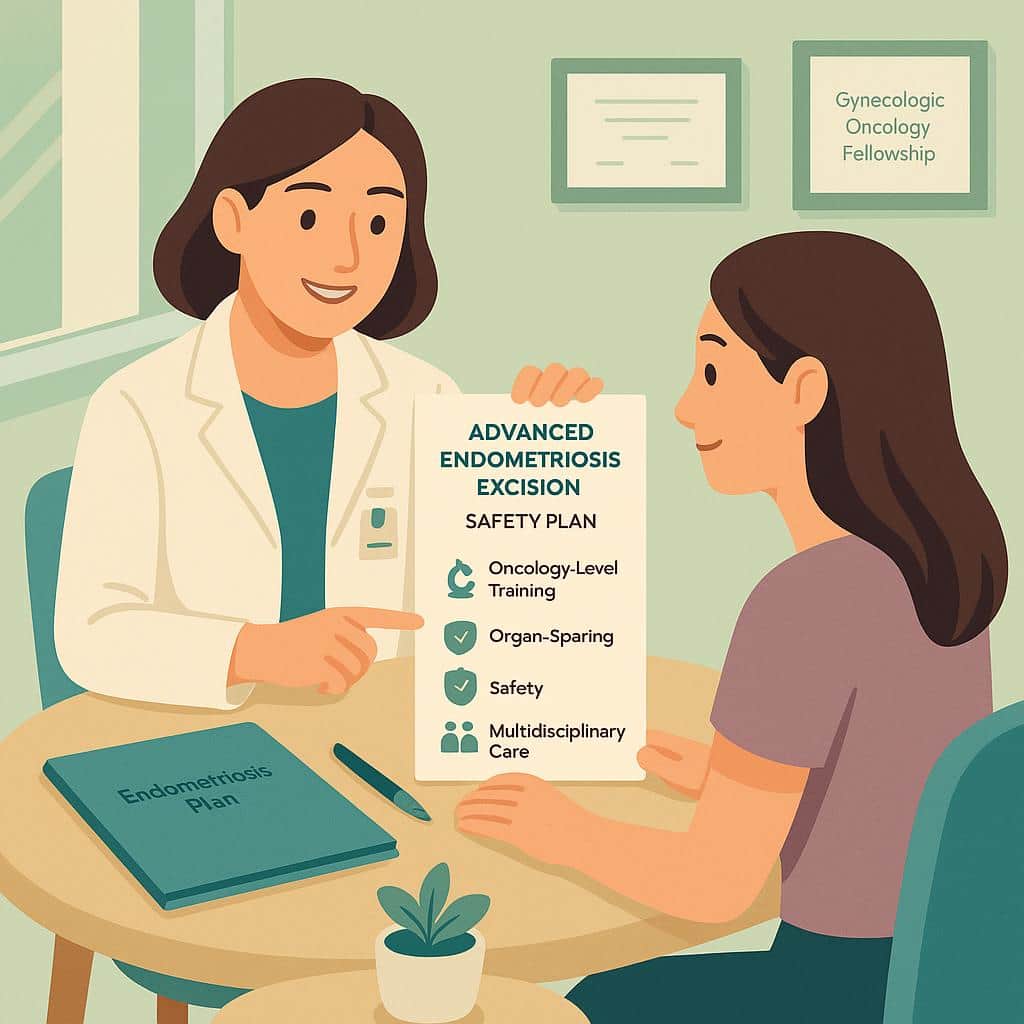
In our practice, we have a unique offering: Dr. Vasilev is a gynecologic oncologist who is trained and credentialed to perform bowel surgery. We plan bowel endometriosis surgery around safety and completeness, using robotic excision for precision, and we coordinate the right surgical partners when the imaging, exam, or history suggests a disc excision or segmental resection could be needed. For example, there may be evidence of other disease like diverticulosis or other bowel findings. If you tell us your symptoms and what your imaging shows (or if you’re unsure), our team can help you understand whether a colorectal surgeon should be involved from the start and what that means for recovery and outcomes.
Where to go from here
Understand it, compare it with what you're feeling, then talk it through with us.
Step 1 · Understand
Understand the condition
Step 2 · Compare
Symptoms it can relate to
Step 3 · Speak with Us
Worried About Bowel Endometriosis?
If your endometriosis affects the bowel deeply, our specialists, including colorectal surgeons, ensure safe, precise treatment. We tailor your care to your unique condition for the best outcomes.
Questions people ask next
All deep disease questionsWill endometriosis excision surgery need bowel resection or a stoma?
Most endometriosis excision surgeries do not require a bowel resection, and a stoma is uncommon. These possibilities come up mainly when endometriosis grows deep into the bowel wall or scar tissue has significantly distorted the anatomy.
Why would a cancer surgeon perform endometriosis excision?
A gynecologic cancer surgeon has skills that often translate directly to challenging endometriosis excision, including operating safely around critical organs. Their experience recognizing atypical tissue can add an extra layer of safety during surgery.
What bowel endometriosis techniques are used, and what risks?
Bowel endometriosis surgery may use superficial shaving, full-thickness discoid excision, or segmental bowel resection, depending on disease depth and extent. Potential complications can include bowel leak, fistula, temporary ostomy, nerve-related changes, and altered bowel habits during recovery.
Do I need imaging or special prep before endometriosis excision?
In many cases, yes: targeted transvaginal ultrasound and/or pelvic MRI can help plan endometriosis excision more safely and thoroughly. Prep depends on imaging and symptoms; some patients may need bowel preparation or temporary ureteral stents.
Further reading
Gynecologic Oncologists - Safest Choice for Complex Endometriosis Surgery?
For deep or advanced endometriosis, oncology-trained surgeons often provide safer, more complete excision. Learn what this means for you at the Lotus Endometriosis Institute.
Do You Need Two Ultrasounds Before Bowel Endometriosis Surgery?
How TVS (transvaginal) and ERUS (endorectal) map rectal endometriosis, guide bowel surgery planning, flag stenosis and risks, and who benefits.
How to Choose a True Endometriosis Excision Specialist
Finding a skilled endometriosis excision surgeon can be challenging. Learn how to choose the right specialist and navigate financial options with confidence.