
Deep Disease
How can recurrence be reduced after bowel endometriosis surgery?
The short answer
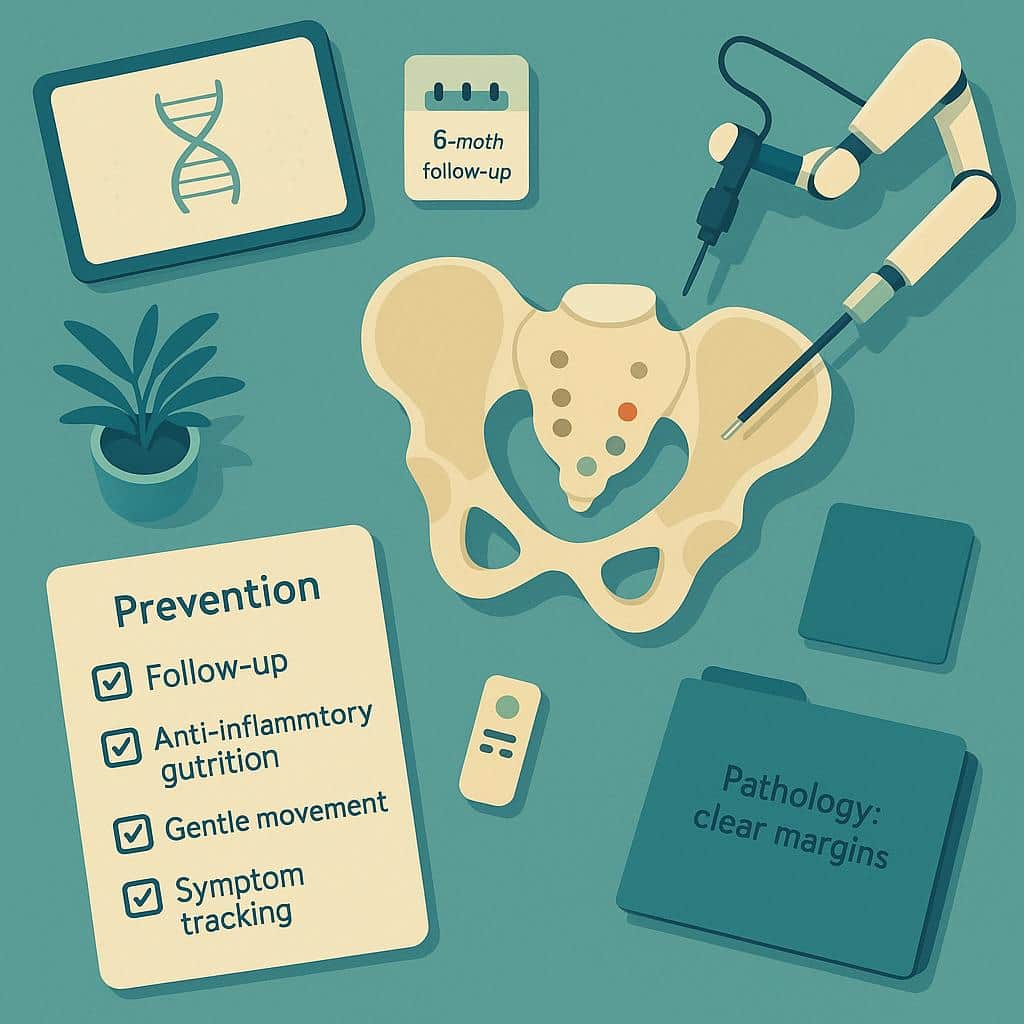
Recurrence risk is reduced most by making the first surgery as complete and meticulous as possible, including removal of disease beyond the bowel. Many patients also benefit from hormonal suppression when appropriate and follow-up to evaluate new symptoms early.
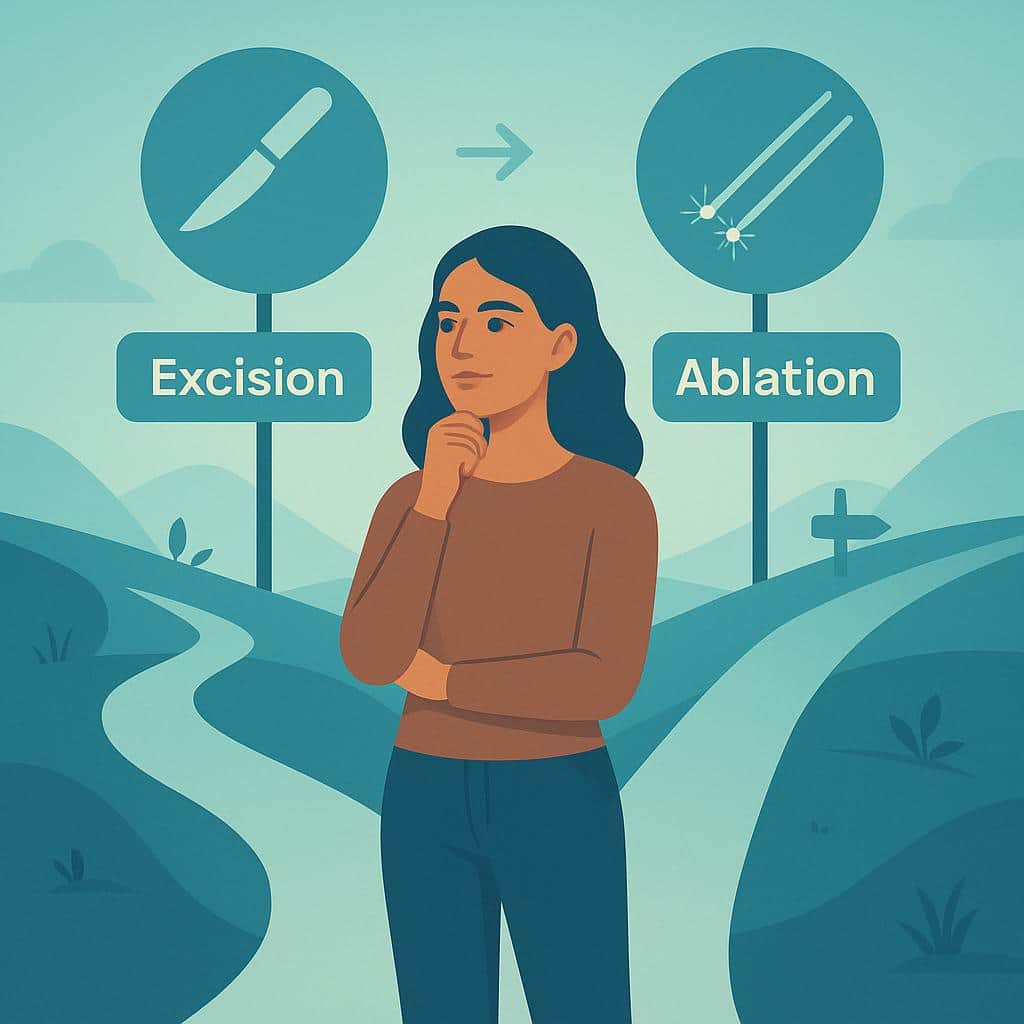
Recurrence risk after bowel endometriosis surgery is reduced most when the first operation is as complete and meticulous as possible. Deep disease can be hidden by inflammation, scarring, or distorted anatomy, and leaving behind residual implants or relying on burning or partial measures is one of the most common reasons symptoms and lesions return over time. In our practice, we focus on excision (removing disease at its roots), and we plan surgery based on careful mapping of all suspected sites, not just the bowel, since untreated areas elsewhere in the pelvis can keep driving inflammation and symptoms.
Because endometriosis is typically a chronic, hormone-influenced inflammatory condition, many patients also benefit from a long-term plan after surgery rather than viewing recovery as the finish line. That usually means choosing an individualized strategy for ongoing hormonal suppression when appropriate (especially if ovaries are present and cycling continues) and setting a clear follow-up plan so new symptoms are evaluated early rather than waiting until they become severe. If you’ve had bowel involvement, our team can help you understand what was removed, what your specific recurrence risks are, including factors like disease severity or coexisting adenomyosis, and what a prevention-focused follow-up plan could look like.
Where to go from here
Understand it, compare it with what you're feeling, then talk it through with us.
Step 1 · Understand
Understand the condition
Step 2 · Compare
Symptoms it can relate to
Step 3 · Speak with Us
Stop Endometriosis from Coming Back
Our specialists perform precise, thorough surgery to remove deep disease completely and reduce recurrence. We tailor your treatment plan to target all affected areas for lasting relief.
Questions people ask next
All deep disease questionsHormones after deep endometriosis excision: should I use them?
Hormones after deep endometriosis excision can be helpful for some patients, but are not automatically required. The decision depends on your goals and surgical findings; if you’re trying to conceive soon, we typically avoid suppressive hormones.
How can I lower the risk of endometriosis symptoms returning after surgery?
If pregnancy isn’t your goal right away, hormonal suppression after surgery can help reduce the chance of endometriosis symptoms returning. Pelvic floor physical therapy, gradual strength rebuilding, sleep, stress regulation, and anti-inflammatory eating can support recovery.
How often should I follow up after endometriosis excision surgery?
We typically recommend a visit once initial healing is complete, often around 6–12 weeks depending on your surgery, then a check-in around 6–12 months. Many patients then do well with annual reviews, with earlier follow-up if symptoms begin to change.
Can endometriosis come back after excision surgery?
Yes, endometriosis can come back after excision surgery, even when it is performed well. Recurrence can mean symptoms returning, new lesions forming, or an endometrioma (ovarian cyst) coming back. Disease left behind is the biggest driver of recurrence risk.
Further reading
Preventing Endometriosis Recurrence After Surgery: What Helps?
Discover effective strategies to prevent endometriosis recurrence post-surgery. Learn about management options and warning signs. Get informed today!
Reducing Your Risk of Endometriosis Recurrence
Learn why endometriosis recurs—incomplete excision, hormonal, immune, toxin and molecular factors—and how precise robotic surgery and 3D optics can reduce risk.
Excision vs Ablation: Understanding Endometriosis Surgery Options
Explore excision vs ablation for endometriosis. Learn about surgery options, pain relief, and making informed choices based on your fertility goals.