You are recovering after treatment
Do I need hormone therapy after ovary removal or periods stop?

If both ovaries are removed (bilateral oophorectomy) or your periods stop after surgery, it can trigger surgical menopause or an early menopausal transition. In many patients, menopausal hormone therapy can play an important role in supporting long-term bone, brain, and cardiovascular health, especially when menopause happens earlier than expected.
When endometriosis is part of your history, we’re thoughtful about hormone choices because estrogen alone may stimulate any residual endometriosis tissue. A regimen that includes a progestin is often preferred in this setting, but the right plan depends on your age, symptoms, and what was found and treated during surgery. Our team can review your surgical details and goals with you and help you decide whether hormone therapy makes sense—and if so, what approach is safest for your situation.
Worried About Hormones After Surgery?
Our specialists understand the unique hormone needs after ovary removal or surgical menopause. We’ll help you find the safest hormone therapy plan tailored to your history with endometriosis.
Schedule Your ConsultationRelated Symptoms
Related Procedures
Learn More

Endometriosis After Menopause: What You Need to Know
Learn how endometriosis can persist after menopause. Discover symptoms, challenges, and essential research insights for better pain management.
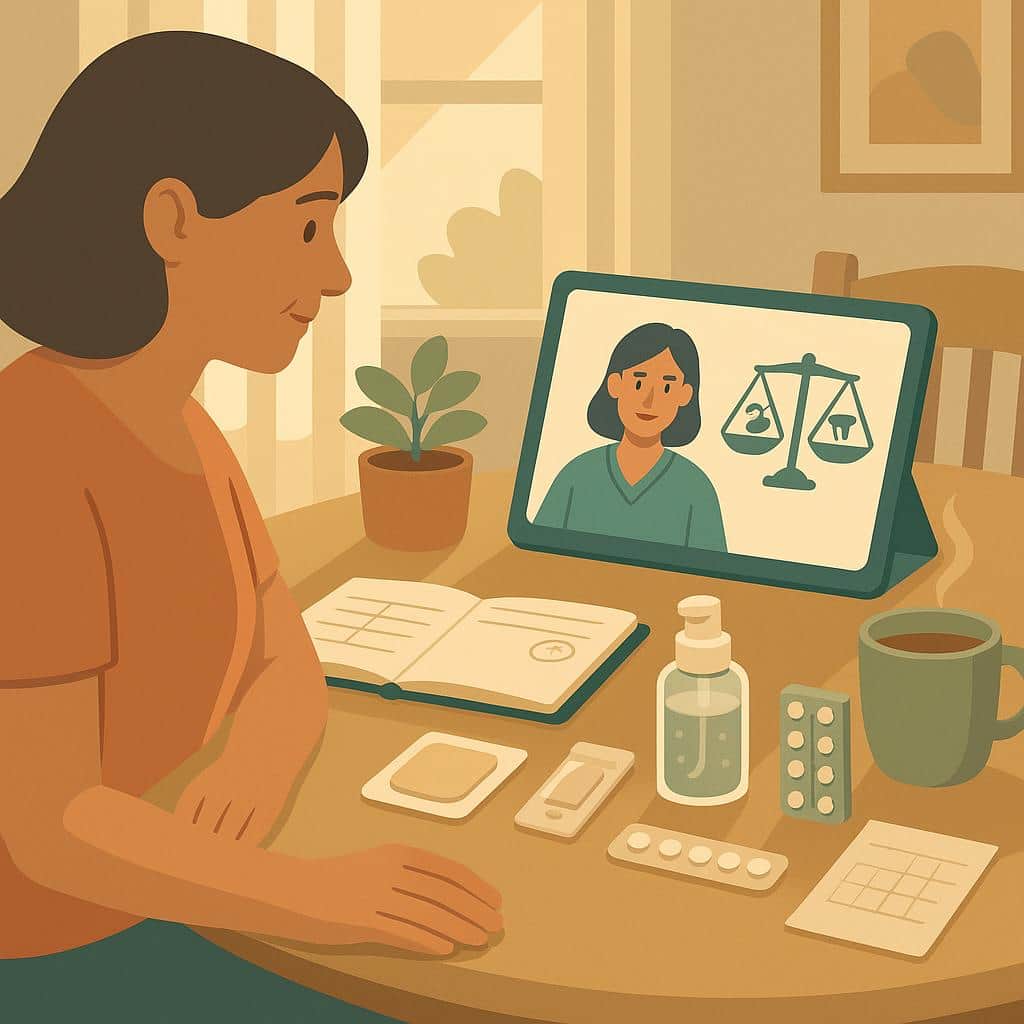
Managing Menopause With Endometriosis and HRT
How to use HRT safely with endometriosis: recurrence and malignancy risks, when to start after surgical menopause, and hormone vs non-hormone treatment options.

Should You Try Hormone Therapy Before Endometriosis Surgery?
Explore the benefits of hormone therapy before endometriosis surgery. Learn about GnRH agonists and their impact on pain and recovery.

Do I Really Need Excision Surgery? Endometriosis & Adenomyosis Insights
Explore whether surgery is necessary for your endometriosis or adenomyosis. Understand the latest research and options for managing your condition.