Symptoms
How can I manage a mid-cycle pelvic pain flare at home?
The short answer
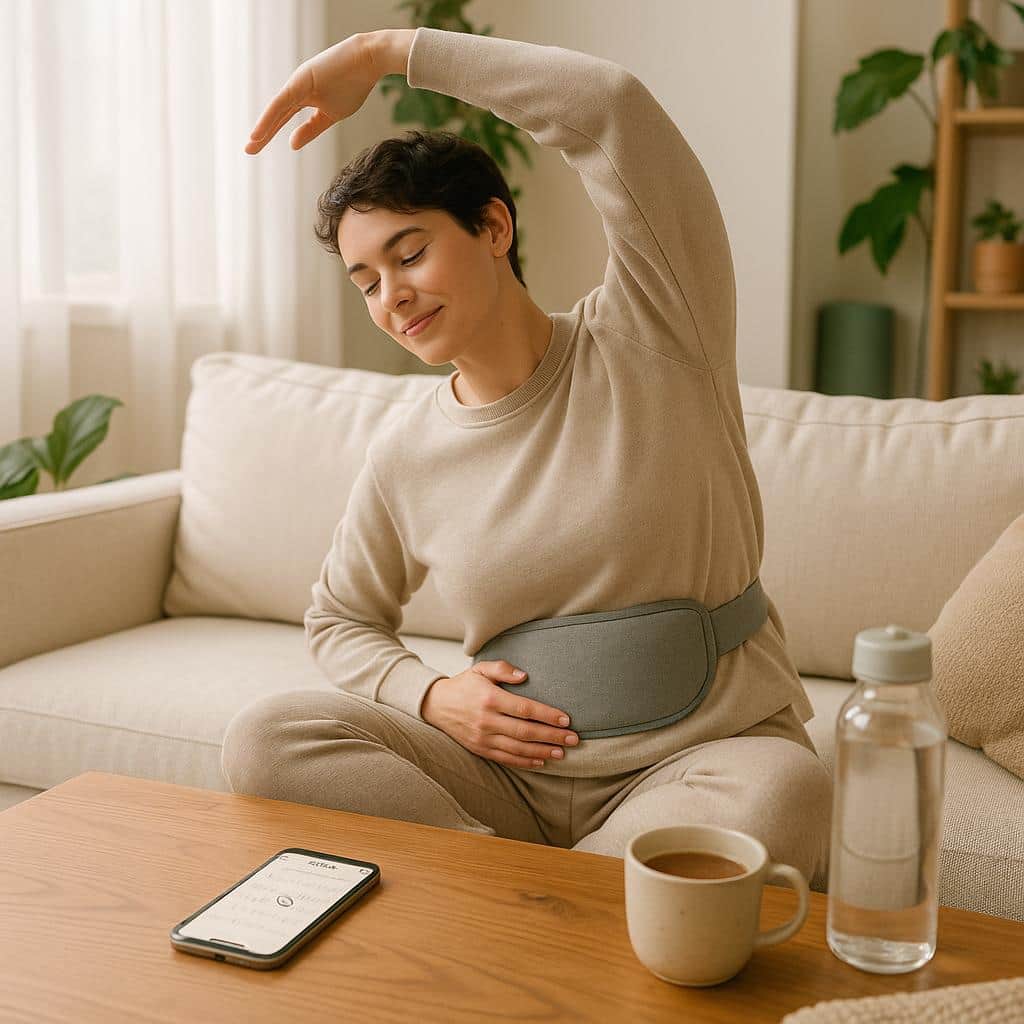
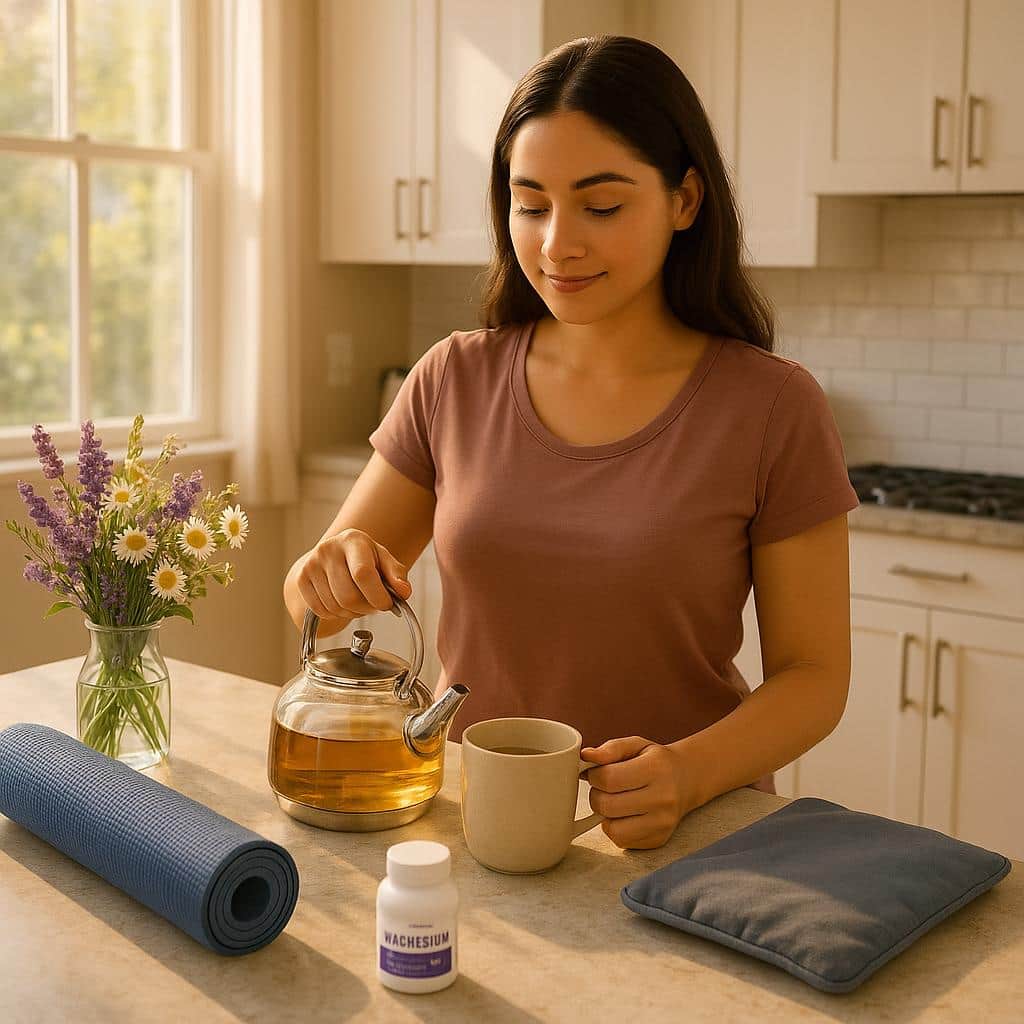
Many patients get short-term relief from mid-cycle pelvic pain with a heating pad, extra rest, gentle movement, and steady hydration. If pelvic tightness or spasm is a major part of the pain, relaxation strategies can be especially helpful.
Mid-cycle flares can feel intense, and our goal is to help you get through them while we look into the underlying cause. Many patients get short-term relief with a heating pad, extra rest, gentle movement (like a short walk or light stretching), and steady hydration, especially if the flare tends to build over several hours.
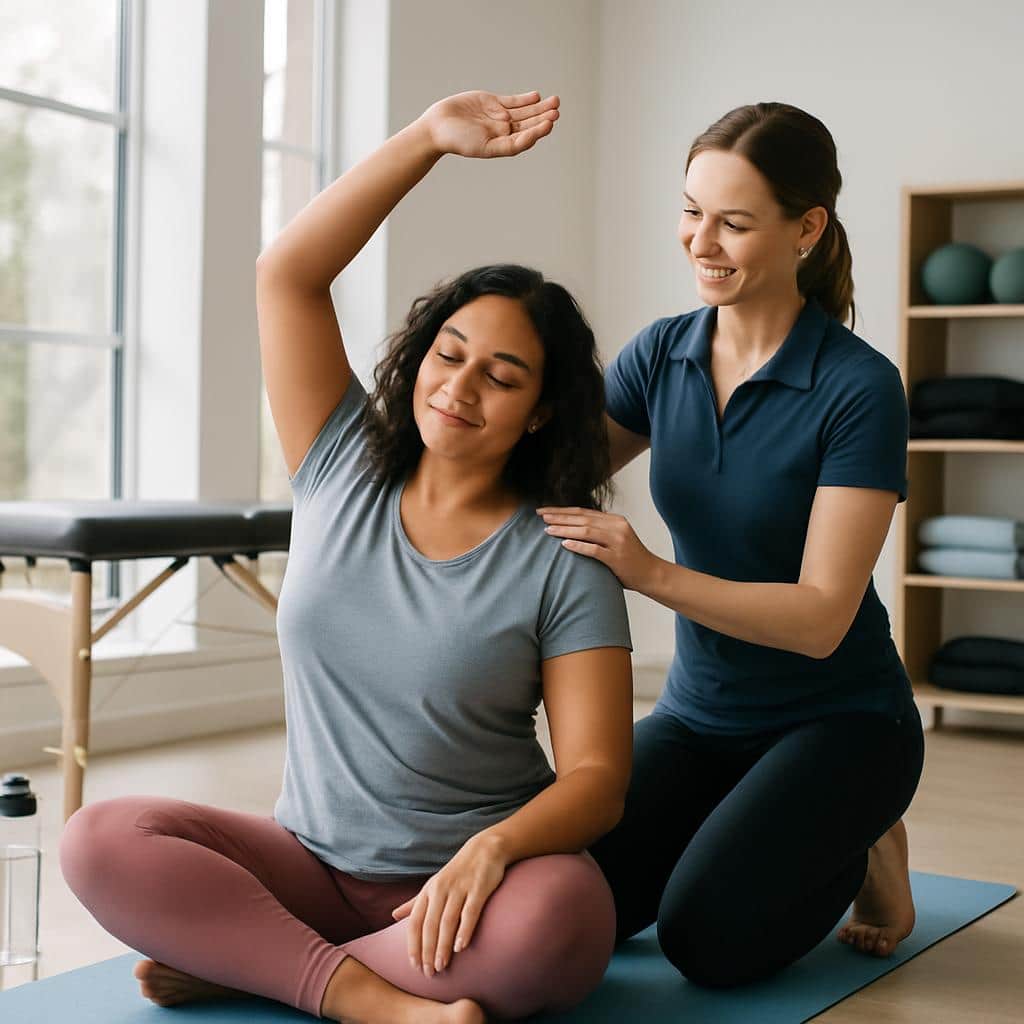
If anti-inflammatory medications are part of your routine, some people do better with a planned approach around predicted ovulation, but this should be tailored to your health history (especially if you have reflux/ulcers, kidney concerns, or bleeding risk). When pelvic tightness or spasm is a major part of the pain, down-training and relaxation strategies, and in many cases pelvic floor physical therapy, can be especially helpful. If these flares are recurrent, disabling, or accompanied by other symptoms, reach out to schedule a consultation so our team can help you sort out whether this fits ovulation pain alone or could be related to endometriosis or another pelvic condition.
Where to go from here
Understand it, compare it with what you're feeling, then talk it through with us.
Step 1 · Understand
Understand the condition
Step 3 · Speak with Us
Struggling with Mid-Cycle Pain?
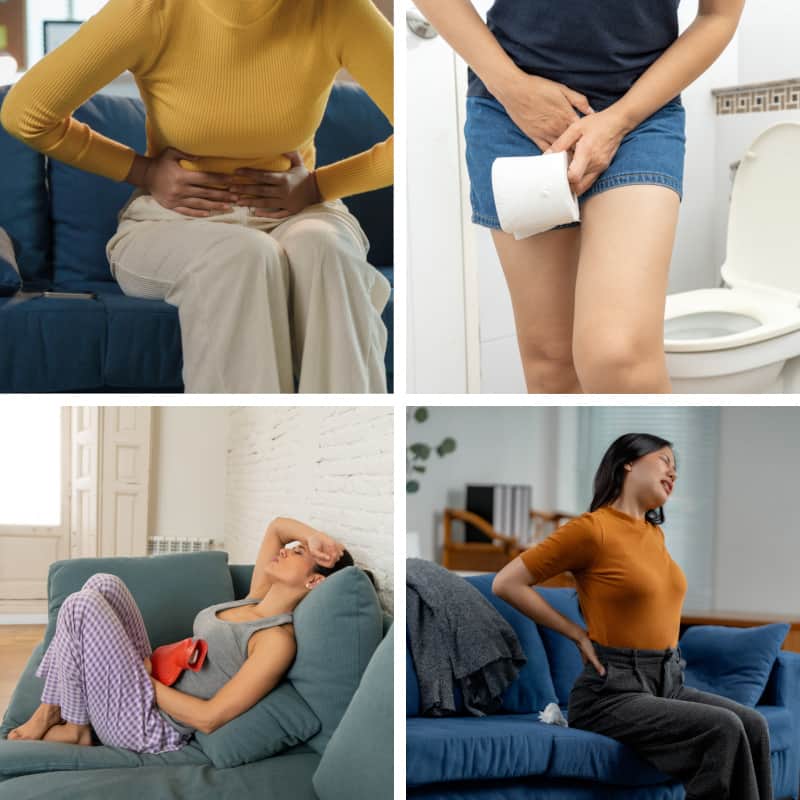
You're not alone—our specialists understand the sharp discomfort of mid-cycle flares and can guide you toward effective relief and diagnosis. Let us help tailor a plan for your symptoms and improve your quality of life.
Questions people ask next
All symptoms questionsWhat should a pain-flare plan include, and when is urgent care needed?
A pain-flare plan usually includes heat, TENS, gentle movement, paced breathing, hydration and simple meals. Urgent evaluation is needed for red flags such as new or rapidly worsening severe pain, fever, fainting, heavy bleeding or vomiting that prevents keeping fluids down.
How can I manage flare days at home?
Heat, a TENS unit, and planned rest with pacing can help take the edge off flare-day pain, especially with gentle movement instead of complete immobilization. Many patients also find pelvic floor relaxation reduces clenching that can amplify cramping and pressure.
Which mind-body practices help most with pelvic pain flares?
Breathwork, meditation, gentle yoga, and biofeedback are some of the most consistently helpful tools for pelvic pain flares. They can calm the body’s stress response, but the most effective practice is usually one you can do regularly and that matches your symptoms.
What can I do at home right now while I pursue diagnosis?
Many patients get short-term relief with heat on the pelvis or abdomen, planned rest, and gentle movement that doesn’t spike symptoms. If anti-inflammatory medicines are safe for you, scheduled use can work better for period-related cramping; also track symptoms by cycle day.
Further reading
Endometriosis Ovulation Pain: Impact and Relief Tips
Learn what ovulation pain feels like with endometriosis, how long it lasts, common symptoms like nausea and mittelschmerz, and evidence-based coping strategies.
Non-hormonal Options for Endometriosis Pain: What’s Actually Worth Trying?
Discover evidence-based nonhormonal treatments for endometriosis pain. Find options you can try now for effective symptom management.
Can Physical Therapy Help Endometriosis Pain?
Discover how physical therapy can alleviate endometriosis pain, improve quality of life, and support pain management strategies.