Symptoms
What can I do at home right now while I pursue diagnosis?
The short answer
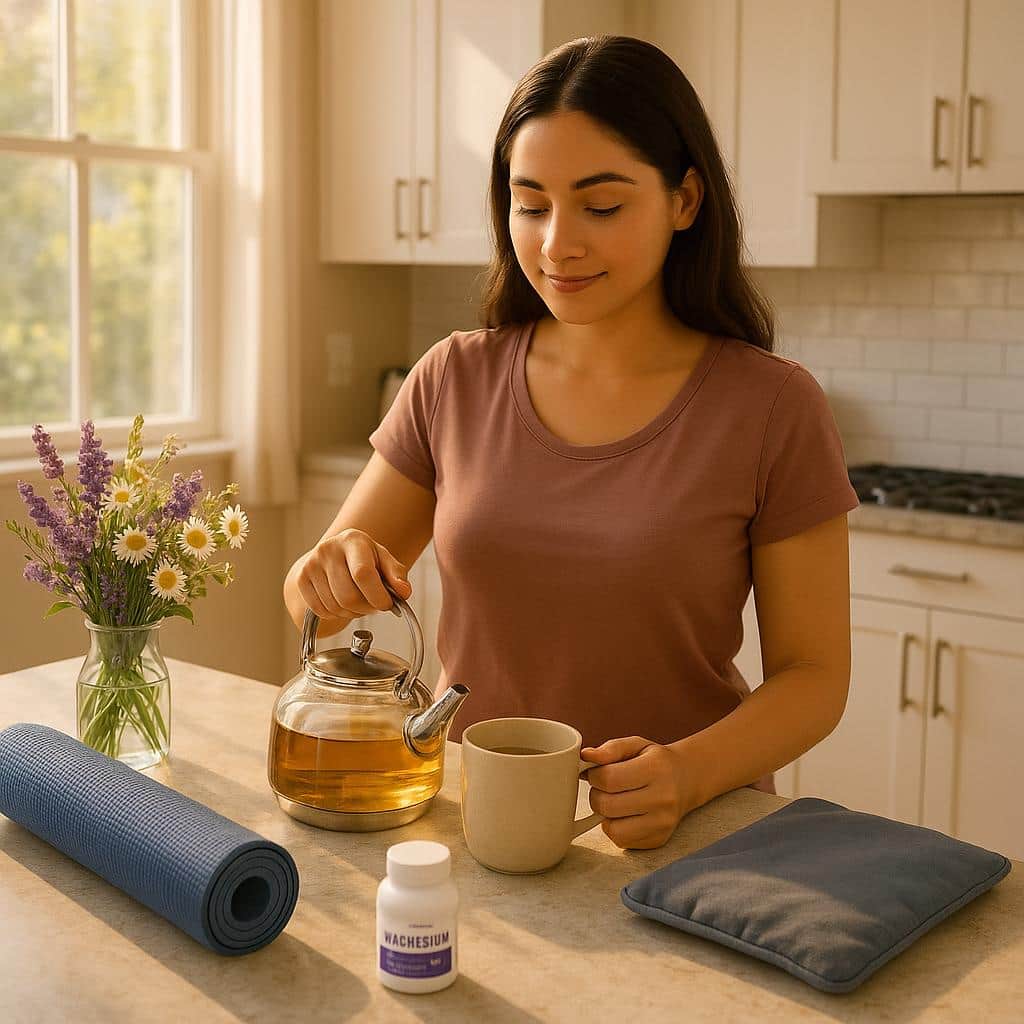
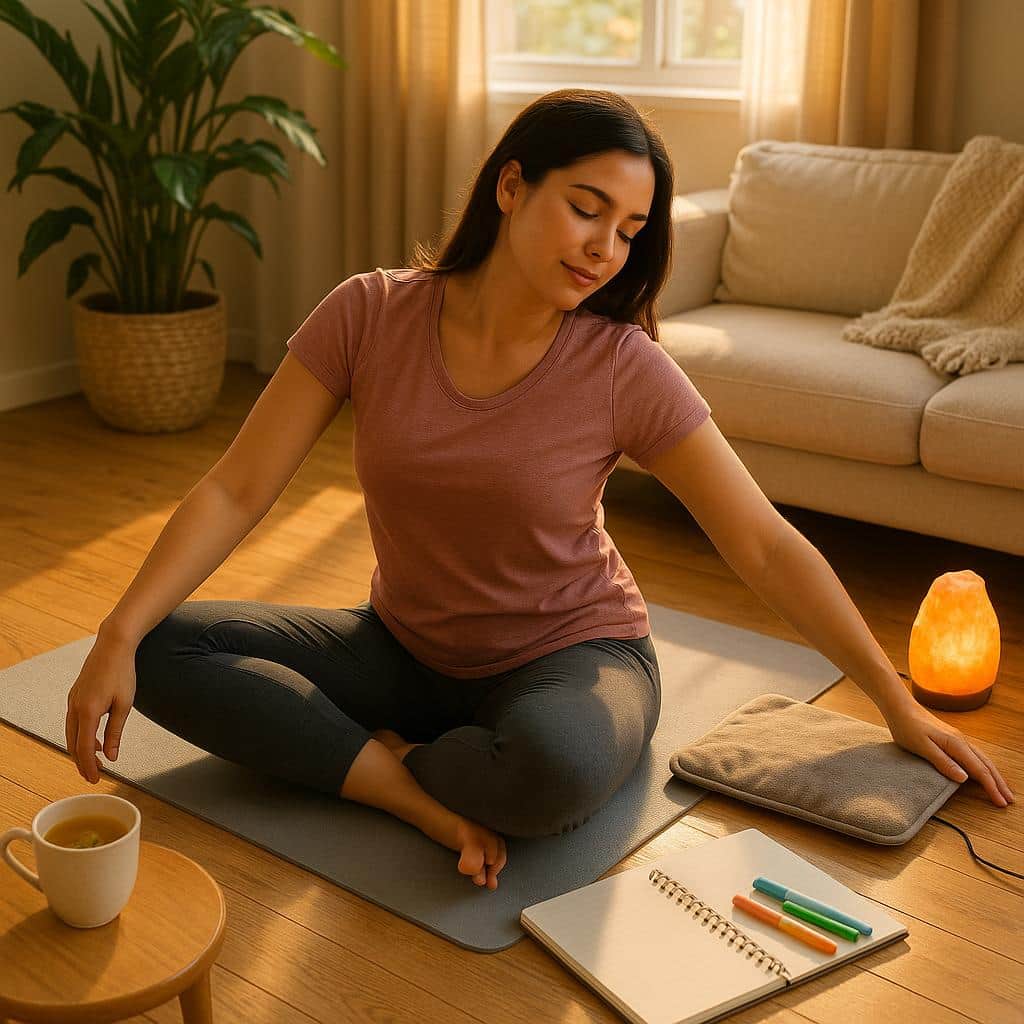
Many patients get short-term relief with heat on the pelvis or abdomen, planned rest, and gentle movement that doesn’t spike symptoms. If anti-inflammatory medicines are safe for you, scheduled use can work better for period-related cramping; also track symptoms by cycle day.
Many patients get some short-term relief at home by using heat on the pelvis or abdomen, pacing activity with planned rest, and doing gentle movement that doesn’t spike symptoms. If anti-inflammatory medications are safe for you, taking them on a schedule (rather than only once pain is severe) can work better for period-related inflammation and cramping.
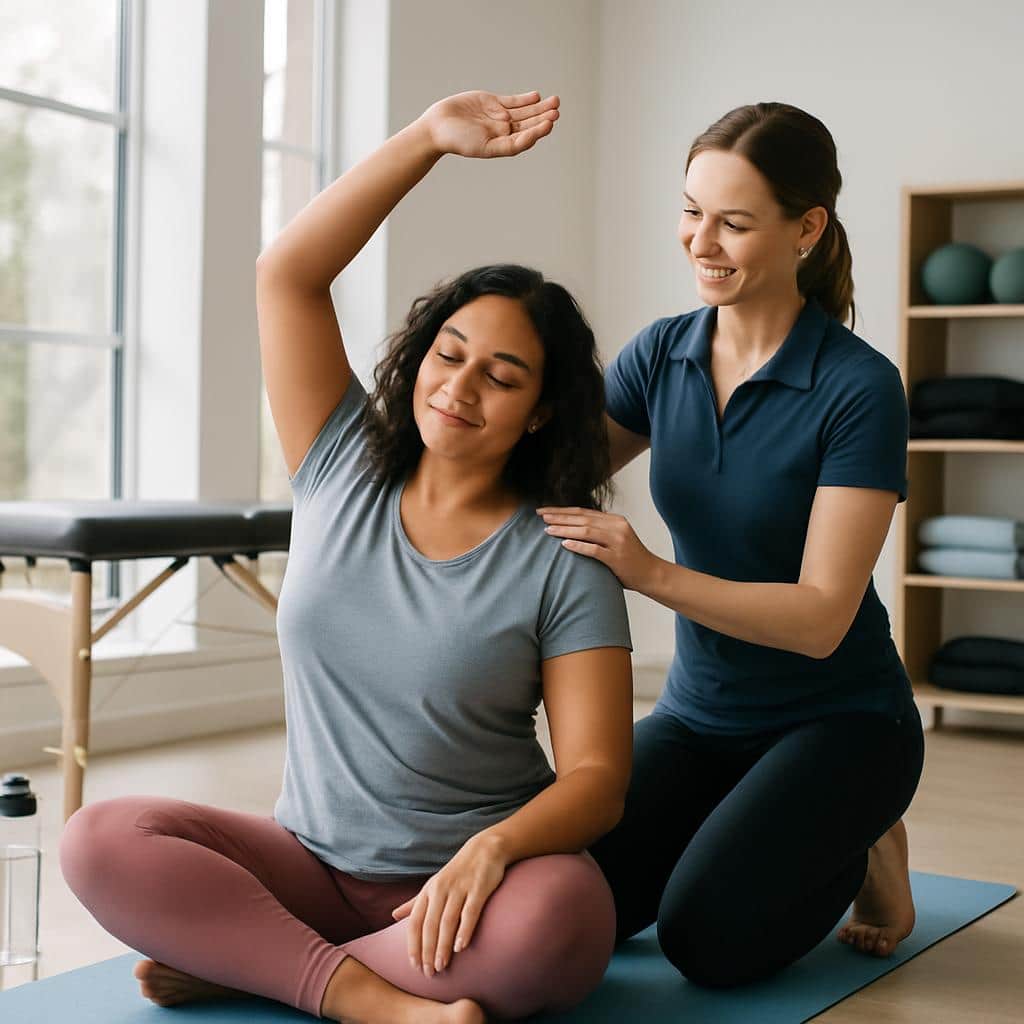
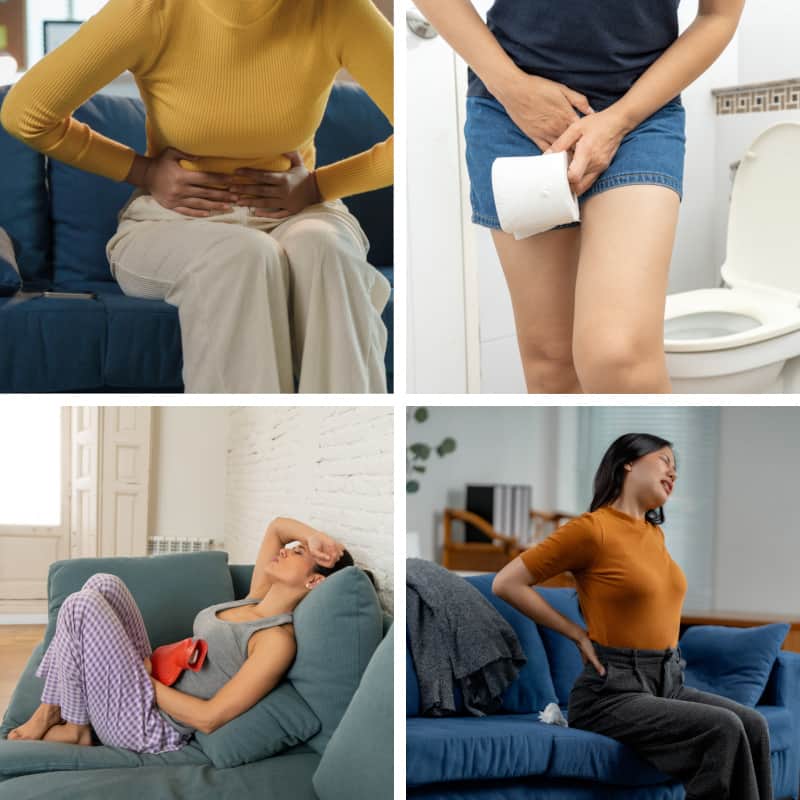
We also encourage tracking symptoms by cycle day (when pain starts, how bleeding changes, and any bowel or bladder symptoms), along with what actually helps or worsens your symptoms. That pattern can make your evaluation more efficient and help us tailor a treatment plan to your specific pain triggers. If your pain includes a tight, guarding feeling in the pelvic muscles, pelvic floor physical therapy and calming the nervous system response can reduce pain amplification while you pursue definitive diagnosis and treatment. Our team can help you decide what fits your situation and next steps.
Where to go from here
Understand it, compare it with what you're feeling, then talk it through with us.
Step 1 · Understand
Understand the condition
Step 3 · Speak with Us
Start Managing Symptoms Today
You can find relief at home with heat, gentle movement, and scheduled anti-inflammatories. Our specialists guide you in tracking symptoms to speed up diagnosis and tailor care.
Questions people ask next
All symptoms questionsWhat can I do today while waiting for an appointment?
If you’re not in an emergency situation, start tracking pain, bleeding, bowel or bladder changes, and what makes symptoms better or worse. For short-term comfort while you wait, many patients do best with heat, gentle movement, and pacing activity.
Heat or cold: what’s better for cramps and pelvic pain?
For most cramping pelvic pain, gentle heat tends to help more than cold because it relaxes muscle spasm. Cold can be useful for sharp, hot or inflammatory pain, or symptoms that spike after activity. Many patients do best alternating heat and brief cold.
How can I manage flare days at home?
Heat, a TENS unit, and planned rest with pacing can help take the edge off flare-day pain, especially with gentle movement instead of complete immobilization. Many patients also find pelvic floor relaxation reduces clenching that can amplify cramping and pressure.
How can I manage a mid-cycle pelvic pain flare at home?
Many patients get short-term relief from mid-cycle pelvic pain with a heating pad, extra rest, gentle movement, and steady hydration. If pelvic tightness or spasm is a major part of the pain, relaxation strategies can be especially helpful.
Further reading
Non-hormonal Options for Endometriosis Pain: What’s Actually Worth Trying?
Discover evidence-based nonhormonal treatments for endometriosis pain. Find options you can try now for effective symptom management.
Holistic Tools That Actually Help Endometriosis Pain
Explore effective holistic tools that aid in managing endometriosis pain alongside conventional treatments. Discover reliable strategies today.
Can Physical Therapy Help Endometriosis Pain?
Discover how physical therapy can alleviate endometriosis pain, improve quality of life, and support pain management strategies.