General
How can I support gut health without strict elimination diets?
The short answer
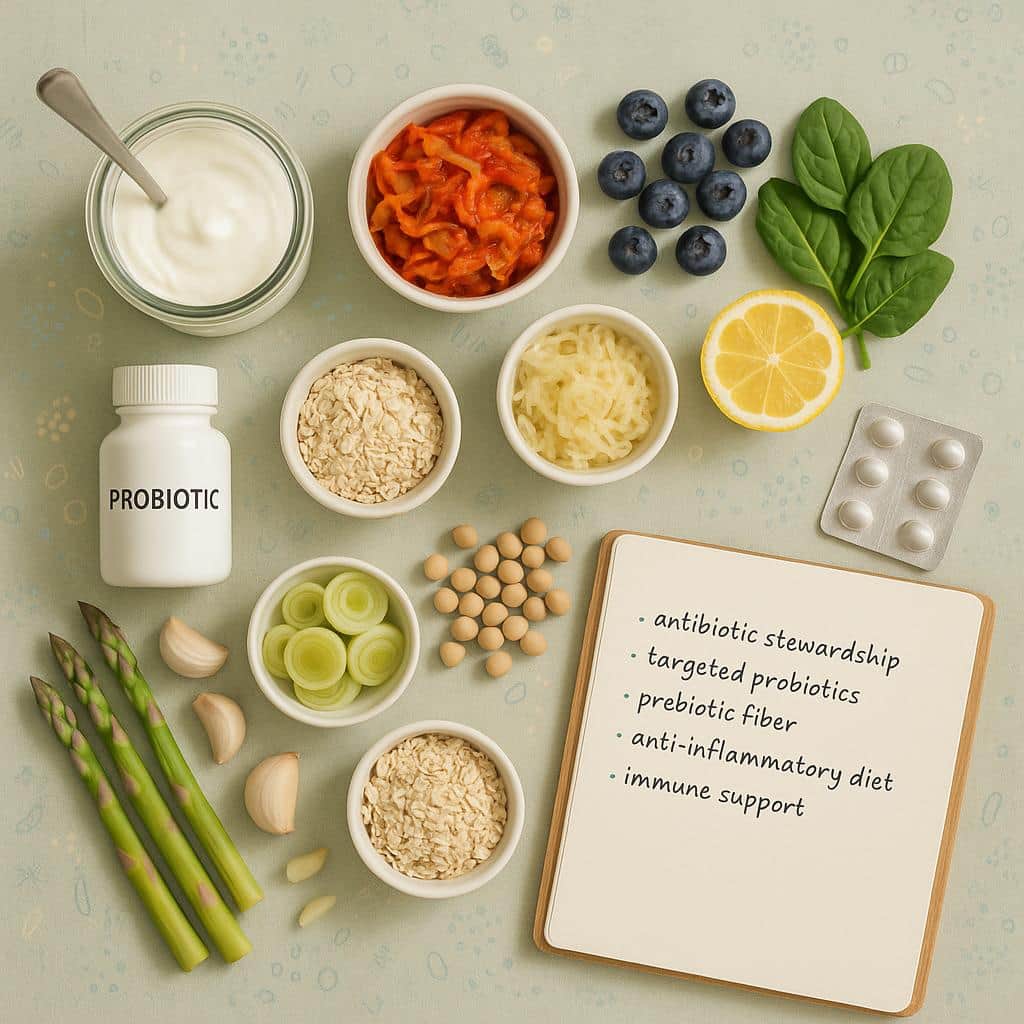
Supporting gut health without strict elimination usually starts with varied fiber-containing foods, regular meals, and good hydration. Make gradual changes one at a time, and include small amounts of gentle fermented foods if you tolerate them.
Supporting gut health without strict elimination usually starts with consistency and variety: aim for a wide range of fiber-containing foods, keep meals regular, and stay well-hydrated to support comfortable bowel movements. If you tolerate them, small amounts of gentle fermented foods can help support microbial balance without overhauling your diet.
We typically encourage gradual adjustments, one change at a time, so you can tell what truly helps versus what triggers bloating, constipation, or pain flares. If you’re dealing with symptoms that overlap with endometriosis or adenomyosis, like cyclical bowel changes or persistent pelvic discomfort, our team can help you sort out what may be gut-related versus endometriosis-related and build a plan that feels sustainable.
Where to go from here
Understand it, compare it with what you're feeling, then talk it through with us.
Step 3 · Speak with Us
Improve Your Gut Health Gently
Our specialists understand the delicate balance needed for gut comfort without drastic diets. We can guide you through personalized, manageable changes to ease symptoms and support your digestive system.
Questions people ask next
All general questionsAre low-FODMAP or low-histamine diets helpful for endometriosis?
Low-FODMAP and low-histamine diets can be useful for a subset of patients, especially with IBS-type symptoms or a strong pattern suggesting histamine sensitivity. They don’t treat endometriosis lesions and are generally viewed as short-term trials with stepwise food reintroduction.
Should I avoid gluten or dairy for endometriosis symptoms?
Some people notice improvement when they reduce gluten or dairy, especially if these foods consistently trigger discomfort, but others don’t see a meaningful change. An individualized approach means watching symptom patterns and making one sustainable change at a time.
What does a balanced anti-inflammatory day of eating look like?
A balanced anti-inflammatory day usually centers on steady protein, plenty of fiber, and mostly minimally processed foods. Try oatmeal with yogurt and berries, a grain-and-greens bowl with salmon or legumes, and cooked vegetables with fish or tempeh at dinner.
Diet and self-care tips for bowel endometriosis flares?
A consistent anti-inflammatory eating pattern can help calm bowel endometriosis flares, but fiber needs vary. Track food and symptom patterns, change one thing at a time, and use gentle heat, rest breaks, and paced activity during flares.
Further reading
Optimizing the Microbiome to Support Endometriosis Care
Learn how antibiotics, probiotics, prebiotics, diet and immunomodulation affect the endometriosis–gut axis, with practical, research-backed microbiome tips.
Endometriosis Diet: What Research Really Supports (and What It Doesn’t)
Learn what truly supports endometriosis symptom relief and improving your reproductive health, backed by reliable research and new evidence.
The Microbiome’s Role in Endometriosis
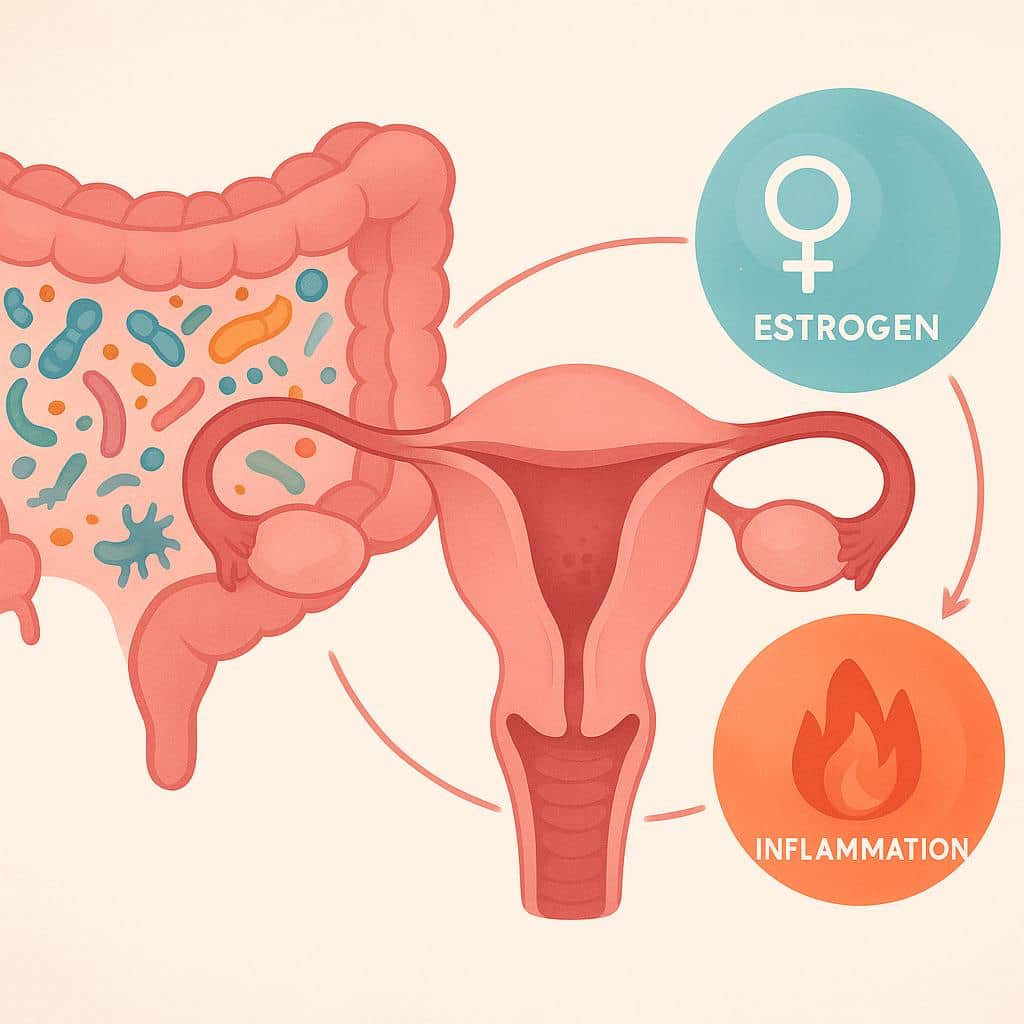
Explore how the microbiome may shape inflammation and estrogen metabolism in endometriosis, and what emerging research means for diagnosis and new therapies.