
Symptoms
Is internal pelvic floor therapy always required?
The short answer
Internal pelvic floor therapy is not always required; the need depends on your symptoms, exam findings, and goals. Alternatives can be used, and nothing is performed without your clear, informed consent. You can pause or decline treatment at any time.
Not always. Whether internal work is needed in pelvic floor therapy depends on your symptoms, your exam findings, and your goals. We tailor the plan to you.
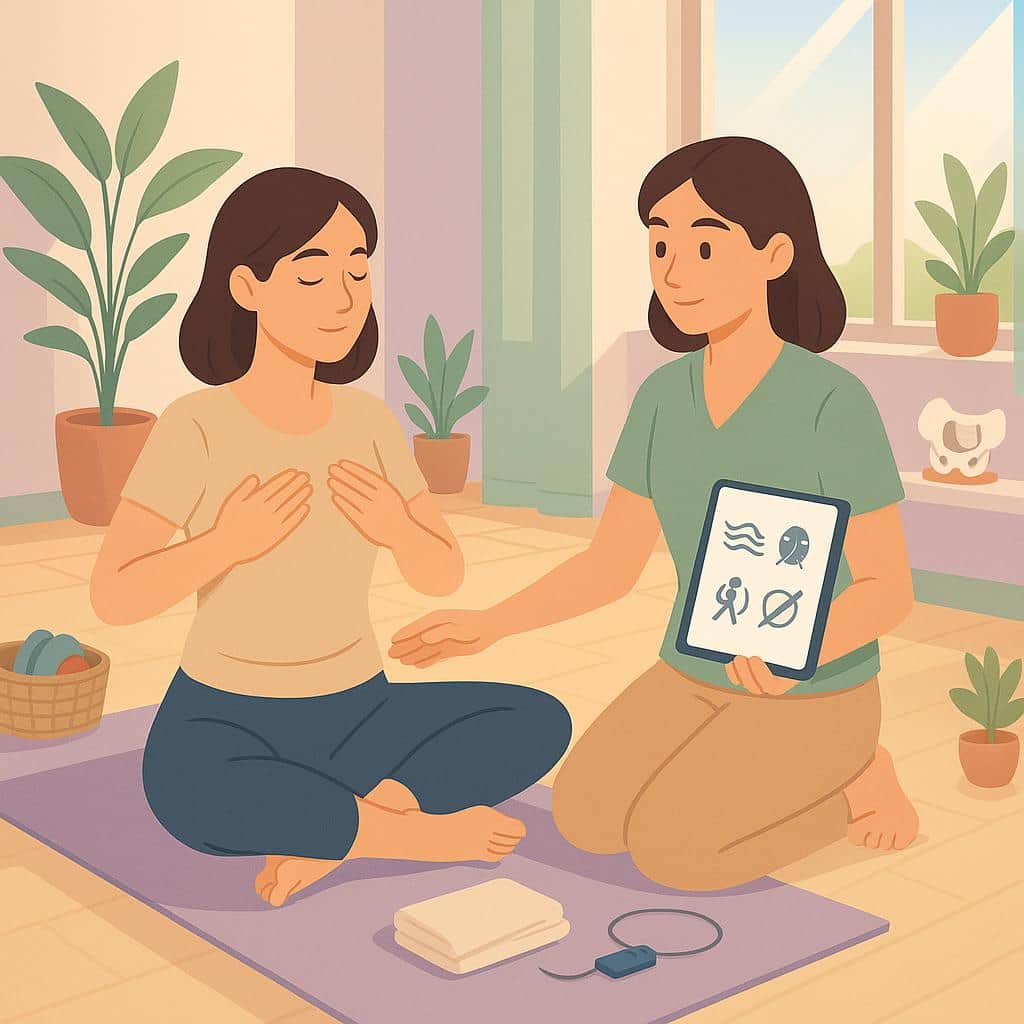
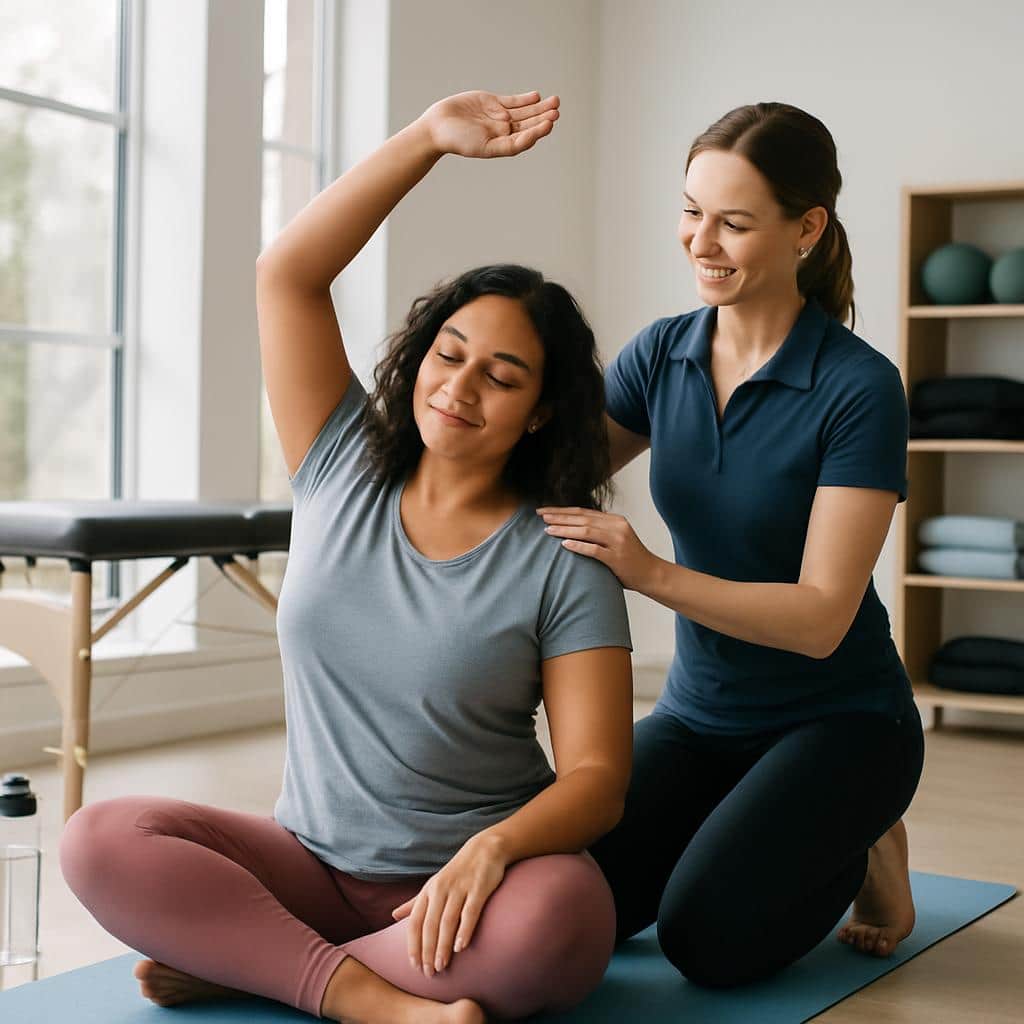
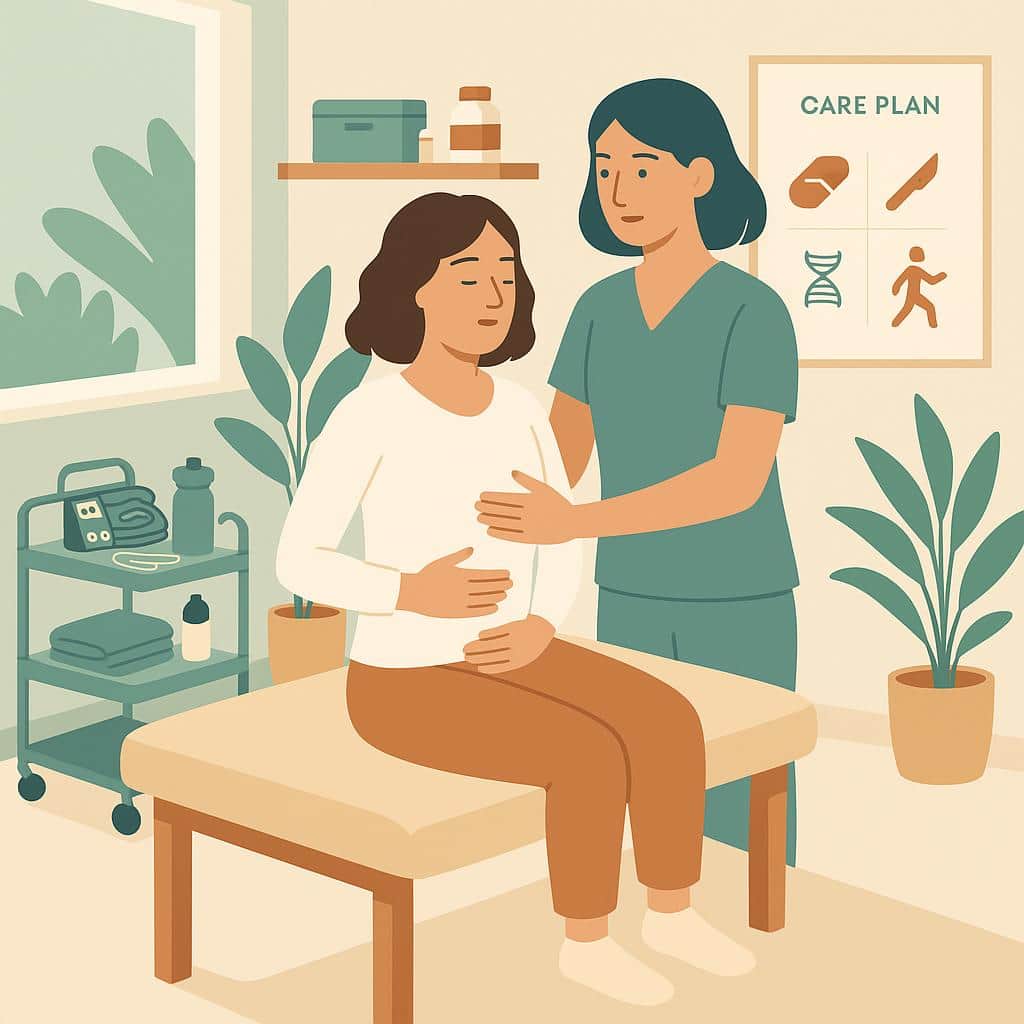
We’ll explain what internal techniques involve, why they may or may not be recommended, and what alternatives can be used instead. Nothing is performed without your clear, informed consent, and you can pause or decline any part of treatment at any time. If you’re unsure what’s appropriate for you, our team can help you understand your options and decide on a plan that feels safe and manageable.
Where to go from here
Understand it, compare it with what you're feeling, then talk it through with us.
Step 1 · Understand
Understand the condition
Step 3 · Speak with Us
Unsure About Pelvic Floor Therapy?
Our specialists will tailor your treatment based on your unique symptoms and goals. We'll guide you through your options, ensuring you're comfortable every step of the way.
Questions people ask next
All symptoms questionsWhat happens at your first pelvic floor PT appointment?
Your first pelvic floor PT visit starts with your story and goals and typically includes a check of posture, breathing, and muscle function. An internal exam is optional and requires your clear consent. You’ll leave with an individualized plan and a simple home program.
What is pelvic floor physical therapy like, and will it hurt?
Pelvic floor physical therapy usually starts with a conversation and a gentle assessment, and it should not feel like a painful exam. Treatment may include hands-on muscle release and retraining. Some people feel temporary soreness or a brief increase in symptoms afterward.
Can pelvic floor therapy help pain during sex or pelvic exams?
Yes, pelvic floor therapy can be very helpful for pain during sex or pelvic exams when pelvic floor muscles are overactive or stay tightened. Therapy aims to help these muscles relax and coordinate normally, improving comfort with touch and pressure over time.
Can mind-body practices help pelvic floor tension or nerve pain?
Yes, mind-body practices can help pelvic floor tension and certain nerve-related pain patterns. Relaxed breathing, mindfulness, and guided imagery may reduce pelvic floor guarding and pain amplification, usually as part of a targeted treatment plan.
Further reading
Can Physical Rehab Reduce Endo and Adeno Pain?
How pelvic rehab and pelvic floor PT can help endometriosis and adenomyosis pain. What it treats best, who benefits, timelines, red flags, and questions to ask.
Can Physical Therapy Help Endometriosis Pain?
Discover how physical therapy can alleviate endometriosis pain, improve quality of life, and support pain management strategies.
Supportive Therapies That Help Ease Endometriosis Pain
Endometriosis pain relief with supportive, integrative therapies: diagnosis, medical and hormonal care, surgery's role, nutrigenomic and epigenetic insights.