Treatment Challenges
What if birth control makes pelvic pain worse?
The short answer
Birth control can make pelvic pain worse for some people, and that does not rule out endometriosis. A workup can help clarify whether the pain is hormonally driven or whether pelvic floor muscle pain, nerve sensitization or other pelvic conditions are contributing.
It can happen: some people feel worse on birth control, and that doesn’t mean your pain isn’t real or that endometriosis is ruled out. Hormonal therapy can help reduce bleeding and cycle-driven inflammation, but it doesn’t heal endometriosis, and relief is often modest or temporary. For some, certain formulations can also aggravate pain through side effects (like mood changes) or by failing to address key pain drivers such as nerve sensitization or pelvic floor muscle pain.
When pain worsens on hormones, our focus is figuring out why: is the pain still hormonally driven, or is something else (adenomyosis, deep endometriosis, pelvic floor dysfunction, bladder/bowel pain syndromes, central sensitization, or other pelvic conditions) driving it? That workup matters because simply cycling through pills or escalating to deeper estrogen suppression can add risk without bringing you closer to lasting relief.
If birth control is making you feel worse, we can help you map your symptom pattern, review what you’ve tried, and build a plan that separates symptom management from disease treatment. For many patients, that includes a more precise diagnostic approach and, when appropriate, expert excision surgery, paired with a strategy for pain control and long-term support.
Where to go from here
Understand it, compare it with what you're feeling, then talk it through with us.
Step 1 · Understand
Understand the condition
Step 2 · Compare
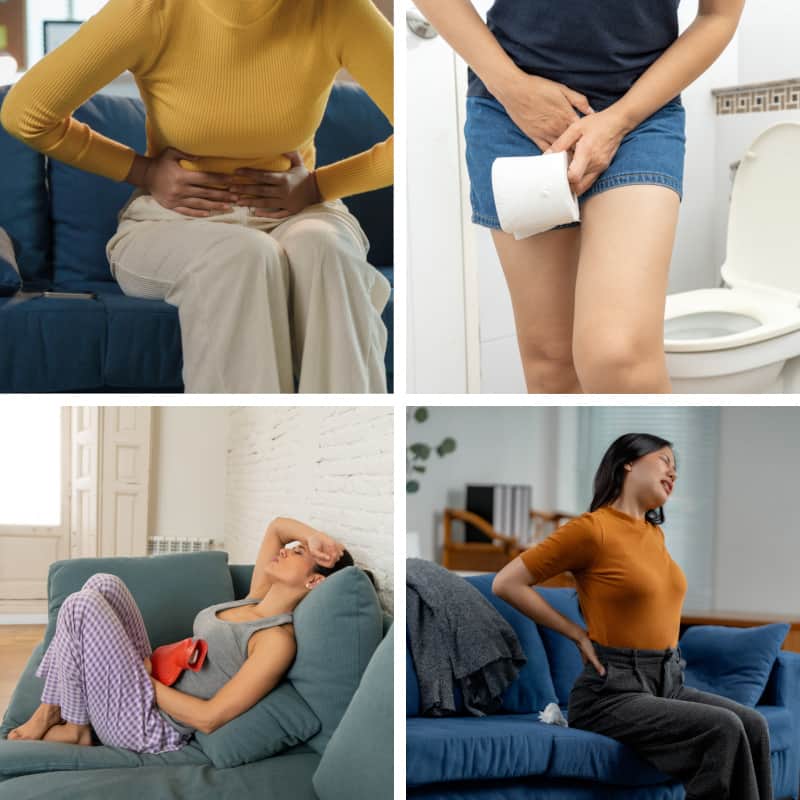
Symptoms it can relate to
Step 3 · Speak with Us
Birth Control Making Pain Worse?
Not all treatments work the same for everyone. Our specialists can help identify the cause and find a pain relief plan that truly works for you.
Questions people ask next
All treatment challenges questionsWhy don’t hormones help my endometriosis pain?
Hormones may not help your endometriosis pain because they mainly reduce cycle-driven inflammation and bleeding, not every source of pain. Scarring, nerve growth, a sensitized nervous system or pelvic floor problems may keep pain going even when periods are suppressed.
Why doesn’t one medication fix all my pelvic pain?
Pelvic pain can come from menstrual cramps, inflammation, pelvic floor muscle guarding and nerves, so one medication often can’t cover every type of discomfort. Pain relief often works best when treatments are matched to the main sources of your pain.
Can pelvic floor therapy reduce endometriosis pain?
Yes, pelvic floor therapy can help reduce endometriosis pain, especially when tight pelvic muscles and sensitized nerves contribute to it. It can help muscles relax and improve coordination, as a complement to surgery or medical treatment, not a replacement.
Can birth control pills or IUDs help endometriosis or adenomyosis?
Yes, birth control pills and the levonorgestrel IUD can help many patients with endometriosis or adenomyosis by reducing heavy bleeding and period-related pelvic pain. They can quiet symptoms during use, but don’t remove endometriosis lesions or reverse adenomyosis.
Further reading
Non-hormonal Options for Endometriosis Pain: What’s Actually Worth Trying?
Discover evidence-based nonhormonal treatments for endometriosis pain. Find options you can try now for effective symptom management.
Different Types of Endometriosis Pain Explained
Explore types of endometriosis pain, evaluation, and evidence-based treatments, including triggers, pelvic floor therapy, CNS sensitization, and adenomyosis.
Hormonal Therapy Risks Without Surgical Diagnosis: What Patients Should Know
Explore the risks of hormonal therapy without surgical diagnosis for endometriosis. Learn what patients need to know about treatment options and potential side