
Deep Disease
What treatments help most for painful bowel movements?
The short answer
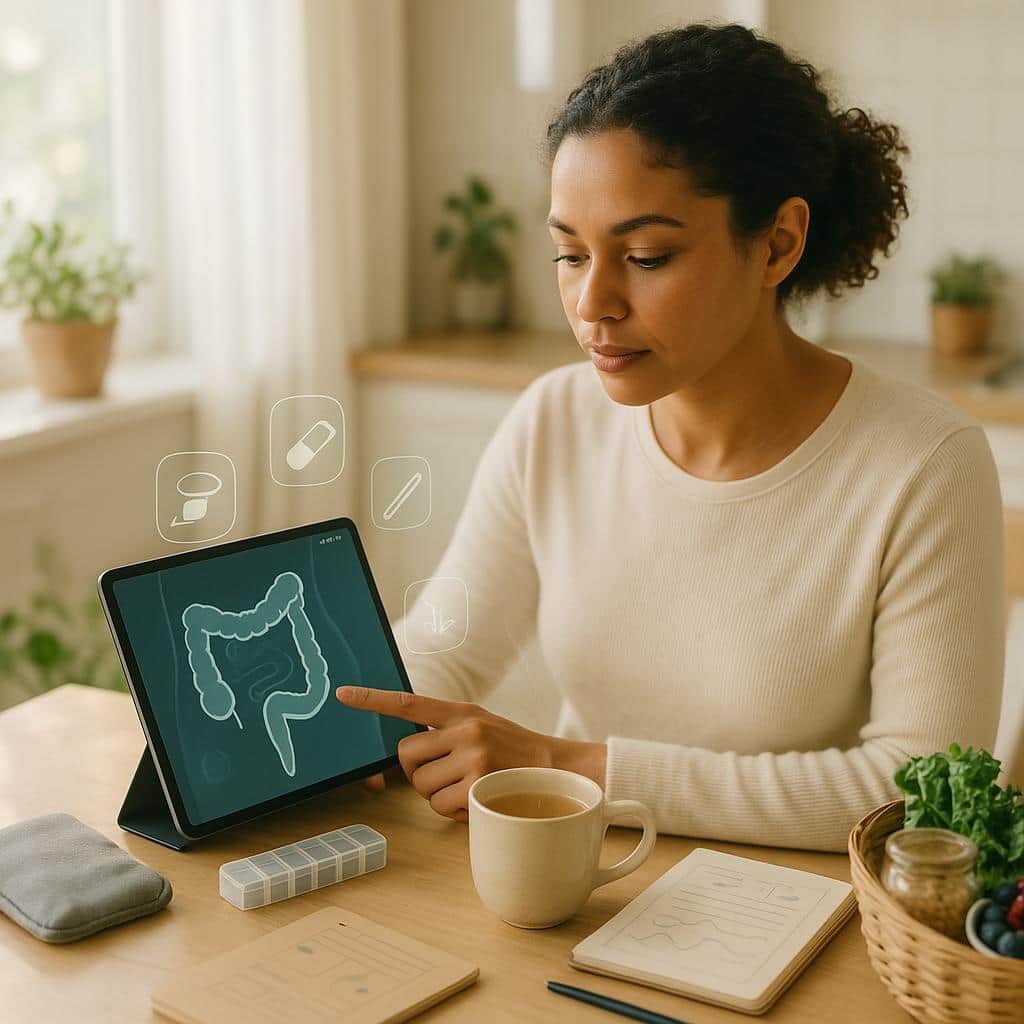
The treatments that help most are those matched to the cause of your pain. For some patients, hormonal suppression can reduce cycle-linked flares; excision surgery is often most definitive for bowel endometriosis, and pelvic floor physical therapy can help with muscle tension and straining.
Pain with bowel movements can have several causes: hormonal inflammation and cyclical swelling, deep infiltrating endometriosis on or near the bowel, adhesions that restrict movement, or pelvic floor muscle spasm and guarding. Because the cause matters, the treatments that help most are those matched to what’s actually causing your pain.
For some patients, hormonal suppression can reduce cycle-linked flares, while a structured pain plan may help you function day to day as we work toward a definitive diagnosis. If endometriosis is the root cause, especially deeper disease involving the bowel, excision surgery is often the most definitive way to address the source rather than just the symptoms. When muscle tension and straining are part of the picture, pelvic floor physical therapy can be a major help in reducing pain with bowel movements. Our team can help evaluate what’s driving your symptoms and discuss the best next step in consultation.
Where to go from here
Understand it, compare it with what you're feeling, then talk it through with us.
Step 1 · Understand
Understand the condition
Step 2 · Compare
Symptoms it can relate to
Step 3 · Speak with Us
Struggling With Painful Bowel Movements?
Our specialists understand the complex causes of your pain and tailor treatments to your specific condition. Let us help relieve your symptoms and improve your quality of life.
Questions people ask next
All deep disease questionsDo medications help bowel endometriosis, and when is surgery needed?
Hormonal medications can reduce pain in many patients with bowel endometriosis, but they don’t remove deep bowel nodules. Surgery is more strongly considered for narrowing or obstruction risk, severe pain despite medication, recurrent rectal bleeding with cycles, or fertility-focused treatment.
How does pelvic floor physical therapy help pain?
Pelvic floor physical therapy helps by addressing muscles and connective tissues that can amplify pelvic pain. It also helps the pelvic floor relax and engage at the right times, so sitting, urinating, bowel movements, or intercourse are less likely to trigger symptoms.
How is bowel endometriosis treated without a colostomy?
In many cases, bowel endometriosis can be treated surgically without a colostomy by removing disease from the bowel surface or removing deeper disease and repairing or reconnecting the bowel. A temporary stoma may be recommended in select higher-risk situations.
What medications help endometriosis and adenomyosis?
For endometriosis and adenomyosis, NSAIDs like ibuprofen can help pain, and hormonal medications can sometimes lessen bleeding and pain. NSAIDs don’t treat the underlying disease, and hormonal relief varies and typically lasts only while you’re on medication.
Further reading
Bowel Endometriosis: Causes, Symptoms, and Treatment
Bowel endometriosis explained: locations, symptoms, causes, diagnosis and misdiagnosis, plus treatments from minimally invasive surgery to lifestyle changes.
Can Physical Therapy Help Endometriosis Pain?
Discover how physical therapy can alleviate endometriosis pain, improve quality of life, and support pain management strategies.
Deep Infiltrating Endometriosis: Current and Future Treatments
Deep infiltrating endometriosis: symptoms, causes, diagnosis and treatment. Medical therapy, ICG-guided surgery, stenting, pathology, and future outlook.