
Deep Disease
What treatments improve period-related shortness of breath?
The short answer
Period-related shortness of breath can improve with hormonal suppression or, when linked to heavy bleeding and low iron, iron treatment and reduced bleeding. If diaphragmatic or thoracic endometriosis is suspected and symptoms persist despite medical treatment, excision surgery may help.
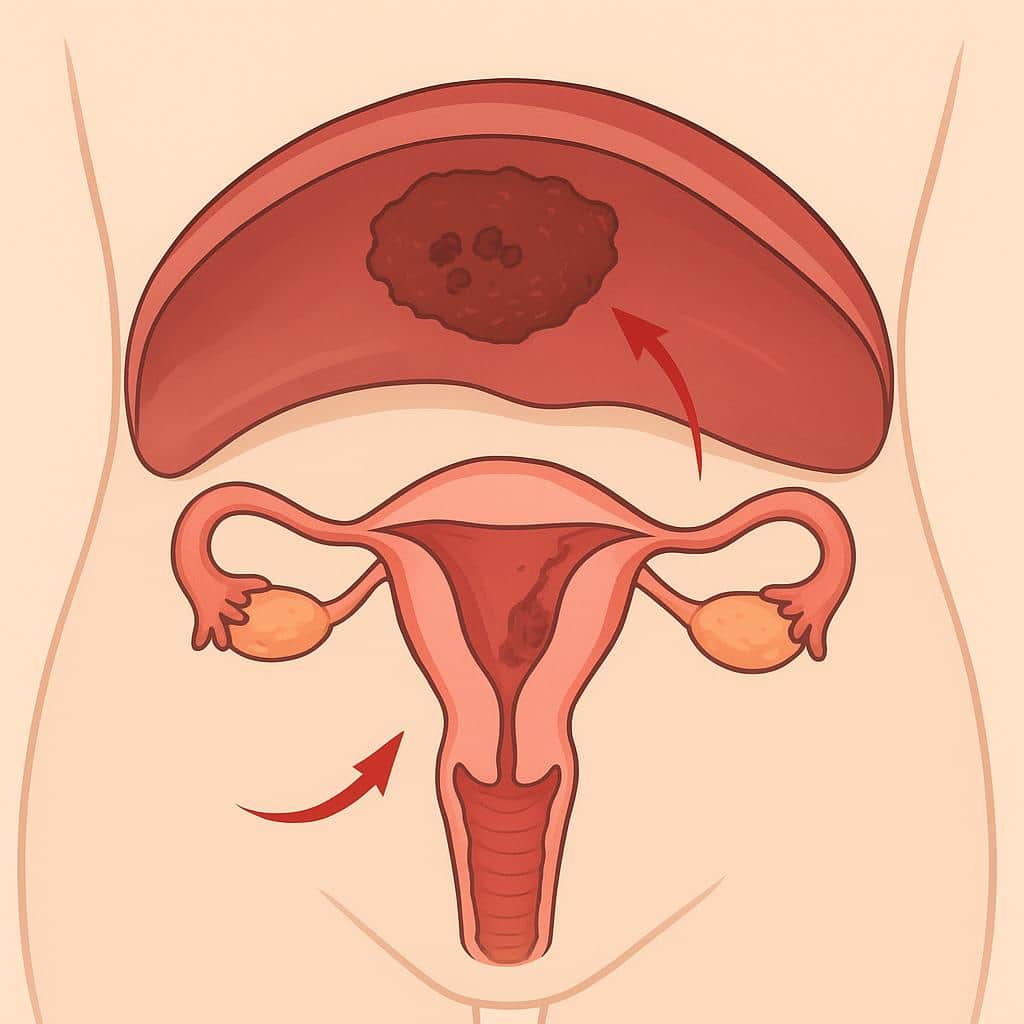
Period-related shortness of breath can improve when we treat the underlying cause: most commonly cyclic inflammation from endometriosis, diaphragmatic or thoracic involvement, or heavy bleeding with anemia. For some patients, hormonal suppression can lessen cyclical flares and reduce breathing symptoms, especially when the pattern clearly follows the menstrual cycle.
If diaphragmatic or thoracic endometriosis is suspected and symptoms persist despite medical management, excision surgery may be the most definitive way to address the disease itself. When breathlessness is linked to heavy periods and low iron, correcting iron deficiency and reducing bleeding often makes a meaningful difference. Our team can help identify which of these approaches fits your symptoms and build a plan that targets the cause rather than just masking the sensation of breathlessness.
Where to go from here
Understand it, compare it with what you're feeling, then talk it through with us.
Step 1 · Understand
Understand the condition
Step 2 · Compare
Symptoms it can relate to
Step 3 · Speak with Us
Breathe Easier During Your Period
If period-related shortness of breath disrupts your life, our specialists can identify and treat underlying causes like endometriosis and anemia. We offer tailored hormonal and surgical options to improve your breathing and overall comfort.
Questions people ask next
All deep disease questionsCan medication manage diaphragmatic endometriosis, or is surgery needed?
Medication can help many patients manage diaphragmatic endometriosis symptoms, but it does not remove the disease. Surgery becomes more likely when pain continues despite medication, deeper nodules are suspected, or symptoms raise concern for chest involvement.
Best long-term treatment for diaphragmatic endometriosis?
For many patients, complete excision by a surgeon with advanced experience in upper-abdominal endometriosis offers the most durable long-term relief for diaphragmatic endometriosis. Mapping before surgery and a tailored surgical plan are key to treatment success.
Can adenomyosis make you feel short of breath?
Adenomyosis can contribute to shortness of breath, most often through heavy, prolonged menstrual bleeding that can lead to iron-deficiency anemia. With less hemoglobin to carry oxygen, you may feel winded with activity, sometimes even at rest.
When are thoracic symptoms an emergency?
Sudden, severe chest pain, new or worsening shortness of breath, or faintness should be treated as an emergency, especially around your period. These symptoms can rarely reflect a lung complication linked to endometriosis and need immediate evaluation.
Further reading
When Endometriosis Affects Your Lungs, What Can Help?
Discover the rare thoracic endometriosis syndrome (TES), its symptoms, and effective treatment options for lung-related endometriosis.
Diaphragmatic Endometriosis: Symptoms and Treatment Options
Learn what diaphragmatic endometriosis is, how it affects the diaphragm, key symptoms, causes, diagnosis options, treatments, and potential complications.
Thoracic Endometriosis: Understanding Symptoms, Diagnosis, and Treatment Options
Chest pain or shortness of breath during your period? Thoracic Endometriosis Syndrome is a rare but serious condition often missed for years. Learn the signs.