


You are seeking a diagnosis
When is laparoscopy recommended to diagnose endometriosis?

Laparoscopy is most often recommended when your symptoms strongly suggest endometriosis but non-surgical evaluation hasn’t given clear answers—or when your symptoms are significant enough that you’re not just seeking a label, you’re seeking effective treatment. Imaging and exams can be helpful (especially with expert interpretation), but they can also miss endometriosis, particularly subtle, atypical, or deeper disease.
In our practice, we think of laparoscopy as most valuable when it’s being done with a plan: careful mapping of suspected areas, excision of disease when found, and biopsy (histology) to confirm the diagnosis and rule out look-alike conditions. Visual “looks like endo” alone isn’t always definitive, and biopsies can be falsely negative if sampling is superficial or misses tiny foci—so surgeon experience and technique matter. If you’ve had persistent symptoms despite prior treatment, prior surgery with incomplete relief, or concerns for complex/deep disease, it’s worth reaching out so our team can review your records and help you understand whether surgery is likely to be beneficial and what the scope might involve.

What to Expect During a Laparoscopy Procedure for Endometriosis: A Patient-Friendly Step-by-Step Guide
A laparoscopy procedure for endometriosis is often scheduled after years of symptoms, dismissed diagnoses, and treatments that never quite worked. Most patients arrive with a surgery date and a list of terms they don't fully understand. The pre-op appointment covers the basics, hands you consent forms, and sends you home. What many patients report is that it rarely covers what the procedure actually involves, what decisions get made in the operating room, or what you should realistically expect on the other side.
A laparoscopy for endometriosis can mean very different things depending on who performs it and what they find. It can be a diagnostic look with no treatment at all, or it can be a complex excision of deeply infiltrating disease affecting the bowel, bladder, and ureter. The gap between those two operations is significant, and some patients report not knowing which procedure was planned until they woke up from anesthesia.
Dr. Steven Vasilev at Lotus Endometriosis Institute has extensive experience operating across all stages of this disease, from early superficial lesions to advanced deeply infiltrating endometriosis. This guide walks you through what the procedure actually involves, the surgical decisions that shape outcomes, realistic recovery timelines, and the questions worth asking before you sign anything.
Diagnostic vs therapeutic laparoscopy: two missions, sometimes one operation
A laparoscopy can serve two very different purposes, and the difference matters enormously for what to expect going in. Understanding both before your surgery date is worth the conversation with your surgeon.
What diagnostic laparoscopy is actually doing
A diagnostic laparoscopy is a look-and-map operation. The surgeon enters the abdomen, views the pelvic organs on a monitor, identifies where endometriosis is present, assesses the extent and staging of disease, and may take biopsies for pathology confirmation. No tissue is removed beyond what's needed for a sample. This is how many patients finally get a confirmed diagnosis after years of being dismissed or misdiagnosed.
When the operation shifts to treatment
A therapeutic laparoscopy goes further. The surgeon treats what's found, using additional instruments through extra small ports to excise or ablate lesions and separate adhesions. In practice, many surgeons combine both steps in a single operation when the findings and surgical plan support it. This avoids putting you through anesthesia twice, and it's the approach most appropriate when preoperative evaluation already suggests endometriosis is present.
Why robotic assisted laparoscopic surgery may be better for you
We strongly favor robotic excision surgery due to precision and far better optics. This is especially true since we get more referrals for complex and repeat surgery which often means very distorted anatomy. The details about why robotics may be better can be found here. Take a look.
Why knowing your surgeon's plan matters before you go in
Ask before surgery whether the planned operation is purely diagnostic or also therapeutic. If the surgeon intends to treat disease found during the procedure, the operative consent, the surgical team's skill set, and the recovery timeline all shift. Going in with clarity prevents surprises in the recovery room, and it gives you the chance to ask whether the team is prepared to handle complex findings if they appear.
What actually happens during a laparoscopy for endometriosis, step by step
Most patients want this information and rarely get it from a pre-op appointment. Here's what actually happens in the operating room.
From the first incision to the camera going in
The procedure starts with general anesthesia and a urinary catheter. The surgeon makes one small incision near the navel, and often one or two more in the lower abdomen for instrument ports. Carbon dioxide gas is then introduced to expand the abdominal cavity, creating the working space the surgeon needs. The laparoscope, a thin camera attached to a light source, is inserted, and the pelvic organs appear on a monitor in real time.
The CO₂ gas matters more than most patients expect. Residual gas trapped under the diaphragm after surgery is one of the most common causes of shoulder tip pain in the first few post-op days. Some patients report being surprised by this discomfort because it wasn't mentioned before surgery, if your team hasn't brought it up, ask about it directly.
Mapping the pelvis: what the surgeon is looking for
Once the camera is in, the surgeon systematically examines the pelvic organs: the peritoneum, ovaries, fallopian tubes, bladder, rectum, and sometimes the appendix and upper abdomen. Endometriosis lesions vary in color, depth, and location. Some appear as classic powder-burn spots; others are clear, reddish, or hidden beneath normal-looking tissue. This mapping phase determines the complexity of what happens next. Surface-level disease looks very different from deeply infiltrating endometriosis, and an experienced surgeon is generally able to differentiate between them, though intraoperative assessment can be complex, and pathology confirmation is often needed.
Treating what's found and closing up
In a therapeutic procedure, additional instrument ports allow the surgeon to excise, ablate, or separate adhesions. Complex cases may require ureterolysis (freeing the ureter from surrounding tissue) or careful dissection of pelvic spaces near the bowel or bladder. After treatment, the surgeon checks for bleeding, irrigates the area, releases the CO₂, removes the instruments, and closes the incisions with sutures, surgical glue, or adhesive strips. Then you move to recovery.
Excision vs ablation: the surgical choice that shapes your results
This is one of the most consequential decisions in endometriosis care. Most patients don't know it exists until after surgery, which is exactly why it's worth raising before you consent to anything.
How ablation works and where it falls short
Ablation (also called cauterization or fulguration) destroys the surface of visible lesions using heat or laser energy. It's faster and technically simpler, but it doesn't remove the tissue, it burns the top layer. For superficial peritoneal disease, ablation can relieve symptoms in the short term. The problem is that deeper disease hiding beneath the surface may go untreated entirely, and recurrence rates tend to be higher over time.
Why excision is the preferred approach for most patients
Excision physically cuts out endometriosis lesions, roots included. A 2017 meta-analysis found that excision produced significantly greater improvement than ablation in dysmenorrhea, dyschezia, and chronic pelvic pain at 12 months. For deeply infiltrating disease affecting the bowel wall, bladder, or ureter, excision is not optional, ablation simply can't reach or safely address that level of involvement. At Lotus Endometriosis Institute, the surgical approach prioritizes excision because incomplete removal leaves disease behind.
When this distinction matters most for your care
Patients with advanced-stage disease, prior surgeries that didn't resolve symptoms, or pain unresponsive to hormonal management need to ask directly: "Will you be excising or ablating?" The answer tells you a great deal about the level of care you're receiving and what your outcomes are likely to look like at 12 months and beyond.
Risks and outcomes: what the research actually shows
No surgery is without risk, the real question is how common those risks are and what outcomes are realistic for your stage of disease.
Common and serious complications with real numbers
Minor complications, including infection, wound issues, urinary retention, and temporary bowel slowdown, are the most common, reported in roughly 1 to 14% of cases depending on surgical complexity. Serious complications are significantly rarer. One prospective multicenter study of 790 patients reported 8.8 serious complications per 1,000 cases. Published rates for specific injuries include bowel injury at roughly 4 to 6 per 1,000, bladder injury around 4 per 1,000, and ureter injury around 5 per 1,000. For complex or recurrent deeply infiltrating endometriosis, serious complication rates can reach 3 to 5%. The surgeon's experience with advanced disease is a direct factor in those numbers.
Pain relief and fertility: what the data supports
Research supports meaningful pain relief after laparoscopic surgery for endometriosis. The 2017 meta-analysis favored excision over ablation for dysmenorrhea, dyschezia, and chronic pelvic pain at 12 months, though a Cochrane review found the overall evidence base too limited for firm superiority claims across all pain measures. Fertility outcomes are harder to isolate cleanly. That same Cochrane review found that laparoscopic surgery for mild to moderate endometriosis improves live birth rates overall. For endometriomas specifically, published evidence supports better recurrence and fertility outcomes with excision compared to ablation-based techniques.
Laparoscopy for endometriosis: recovery timeline and how to prepare
Understanding what to expect on both sides of surgery reduces anxiety and helps you avoid mistakes that slow healing.
Pre-op preparation: what to do before the procedure
Stop blood thinners and NSAIDs such as aspirin and ibuprofen 7 to 10 days before surgery, follow your surgeon's or anesthesiologist's specific instructions on timing. Your prescribing provider will typically advise stopping Metformin 48 hours before surgery. Supplements that increase bleeding risk, including fish oil, vitamin E, ginkgo, turmeric, garlic, and ginseng, are typically paused two weeks out. Fasting instructions vary by facility but commonly require nothing to eat or drink after midnight, with some protocols allowing clear liquids up to two hours before. When bowel involvement is possible, surgeons may order a low-fiber diet plus laxatives the day before. Lotus Endometriosis Institute's pre-consultation record review process ensures surgical planning accounts for these specifics well before you arrive.
Week-by-week recovery: what's normal and what's not
Days 1 through 3 bring the most pain, shoulder discomfort from residual CO₂, fatigue, and possibly light spotting. Most patients with desk jobs return to work within 1 to 2 weeks. Heavy lifting, high-impact exercise, and sexual activity are typically restricted until surgeon clearance, usually around the 4 to 6 week mark. Extensive surgery involving the bowel, bladder, or deep excision can extend full recovery to 6 to 12 weeks. A post-op visit is usually scheduled 1 to 3 weeks after surgery. Red flags to report immediately include fever above 101°F, heavy bleeding, severe abdominal pain that isn't improving, or inability to urinate, contact your surgeon or go to the emergency room if any of these occur.
Why surgical expertise and integrative care change your trajectory
The procedure itself is only part of the picture. Who performs it, and what support surrounds it, determines how much your life actually changes after the operating room.
The Integrative Endometriosis Surgery™ approach at Lotus Endometriosis Institute
Dr. Steven Vasilev and the team at Lotus Endometriosis Institute combine precision robotic excision surgery with the proprietary Integrative Endometriosis Surgery™ program. This program addresses physical and emotional wellbeing before and after the operation, with tailored surgical planning for patients across all stages of disease. Integrative support includes pain management strategies, structured recovery protocols, and long-term follow-up care. For patients who have moved between providers without resolution, that continuity can make a meaningful difference in outcomes.
Access for out-of-state patients: virtual consultations and insurance navigation
Geography shouldn't determine whether you get expert care. Lotus Endometriosis Institute offers 60-minute virtual educational sessions with Dr. Vasilev and the clinical team, accessible to patients nationwide. Records are reviewed before the appointment, so the discussion focuses on cases like yours and how we approach them, rather than catching up on history. A dedicated insurance team works to reduce financial barriers for surgical care, which matters particularly for patients traveling from out of state to establish care in California for specialized treatment.
What to take with you going forward
The difference between diagnostic and therapeutic laparoscopy matters before you sign anything. So does the choice between excision and ablation, what realistic risk rates look like for your stage of disease, and how to prepare your body and set expectations for recovery. These are the questions most patients wish they had asked earlier.
Before any consent is signed, confirm whether the planned operation includes treatment or diagnosis only. Confirm the surgical approach and what the team will do if findings are more complex than expected. If you're not getting clear answers, that's information too.
If you want an honest conversation about a laparoscopy procedure for endometriosis and what it means for your specific case, the team at Lotus Endometriosis Institute is available for a virtual consultation. The goal is to give you real answers about your options, not to rush you toward a decision. A well-performed laparoscopic excision, done by a surgeon with deep experience in this disease and supported by a structured integrative program, can be a genuine turning point for patients who have been managing endometriosis for years without adequate care.
Unsure About Your Symptoms?
If imaging hasn’t clarified your pain, our specialists can perform targeted laparoscopic evaluations to diagnose and treat endometriosis accurately. We’re here to guide you toward effective relief and answers.
Schedule Your EvaluationLearn More
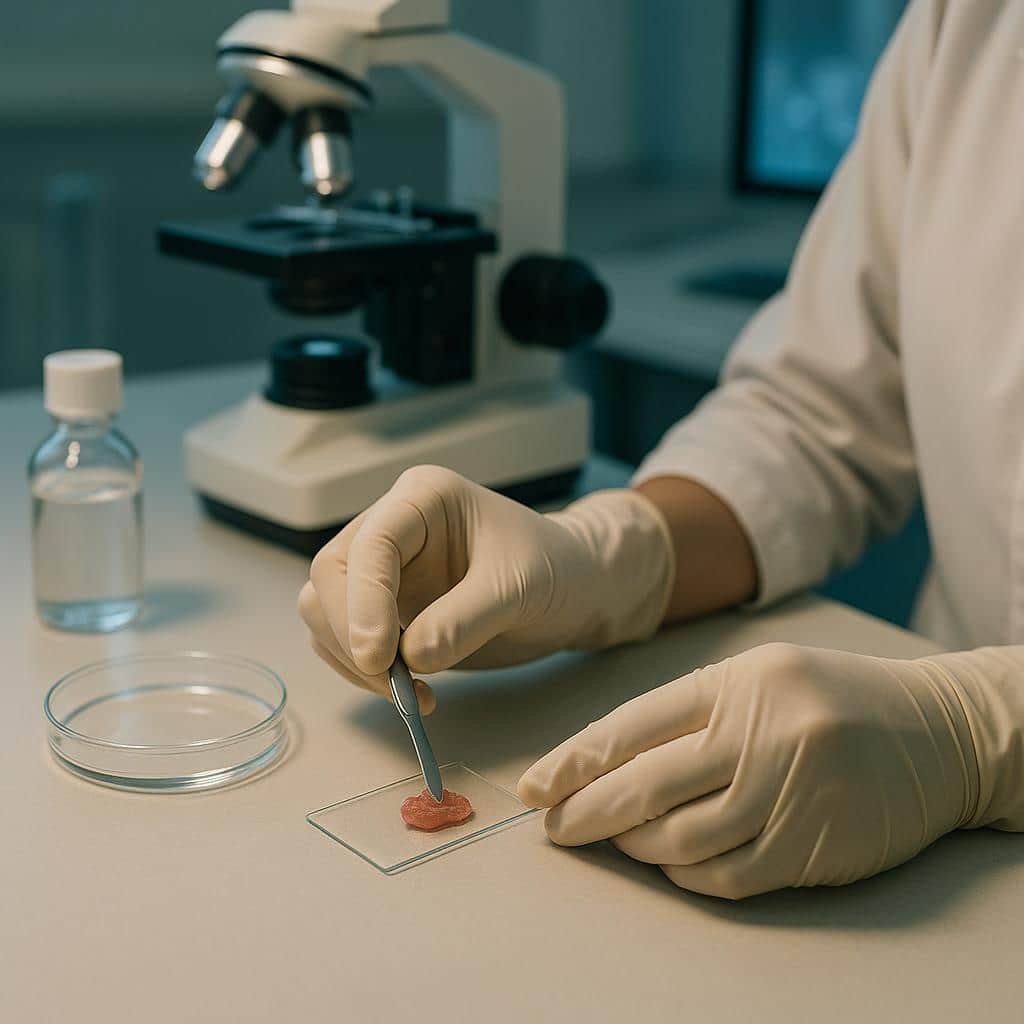
Endometriosis Biopsy: A Definitive Method for Diagnosis
Learn when a biopsy is essential for confirming endometriosis or adenomyosis. Explore symptoms, research findings, and options beyond surgery.

What to Expect Before, During, and After Endometriosis Surgery
Discover what to expect before, during, and after endometriosis surgery. Insights on pain relief, preparation, recovery from reliable recent research.

Excision vs Ablation: Understanding Endometriosis Surgery Options
Explore excision vs ablation for endometriosis. Learn about surgery options, pain relief, and making informed choices based on your fertility goals.

Do I Really Need Excision Surgery? Endometriosis & Adenomyosis Insights
Explore whether surgery is necessary for your endometriosis or adenomyosis. Understand the latest research and options for managing your condition.
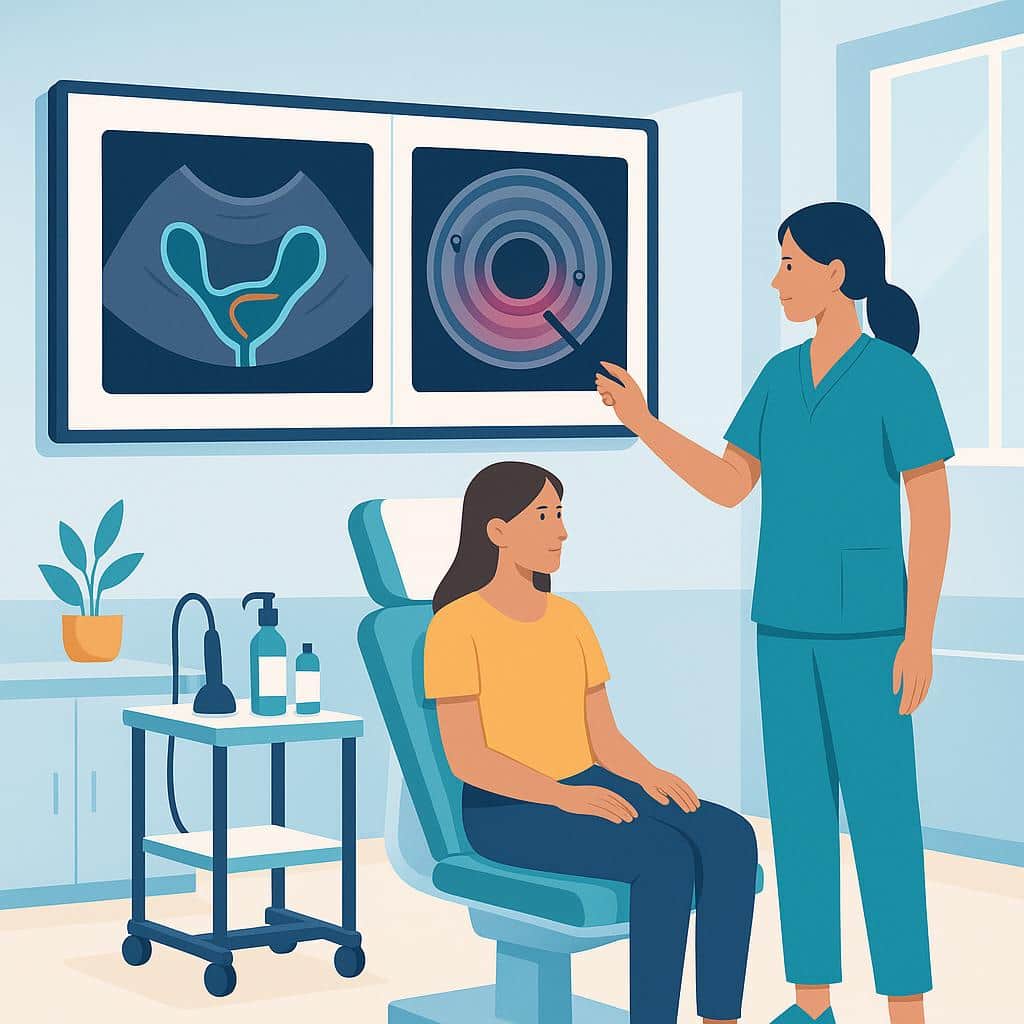
Do You Need Two Ultrasounds Before Bowel Endometriosis Surgery?
How TVS (transvaginal) and ERUS (endorectal) map rectal endometriosis, guide bowel surgery planning, flag stenosis and risks, and who benefits.
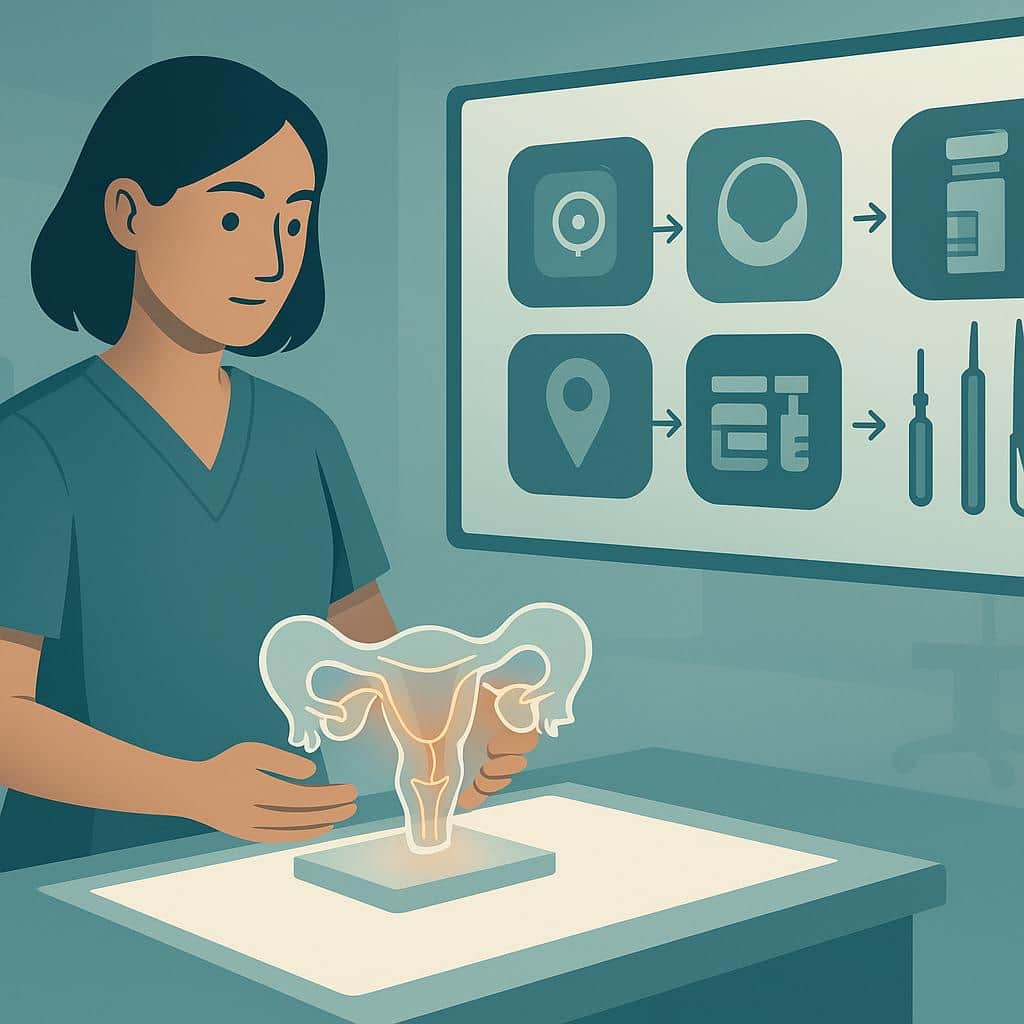
Deep Infiltrating Endometriosis: Current and Future Treatments
Deep infiltrating endometriosis: symptoms, causes, diagnosis and treatment. Medical therapy, ICG-guided surgery, stenting, pathology, and future outlook.
Related Pages
Evaluation & Diagnosis
At the Lotus Endometriosis Institute, evaluation begins with listening. Our diagnostic process uncovers the true source of pain and related conditions often missed elsewhere.
Surgery & Advanced Excision
World-class robotic excision surgery by a quadruple board-certified surgeon. Precision matters—and your future depends on it.
New Patients Guide
Lotus Endometriosis: step-by-step overview of our intake process, telehealth consultations, insurance considerations, and travel planning for care.