
Symptoms
Can pelvic floor therapy reduce endometriosis pain?
The short answer
Yes, pelvic floor therapy can help reduce endometriosis pain, especially when tight pelvic muscles and sensitized nerves contribute to it. It can help muscles relax and improve coordination, as a complement to surgery or medical treatment, not a replacement.
Yes, pelvic floor therapy can play a meaningful role in endometriosis pain relief, especially when pelvic muscle tension, myofascial restriction, and sensitized nerves are keeping pain going. Many people with endometriosis develop an overactive (tight or guarding) pelvic floor over time, which can contribute to chronic pelvic pain, pain with sex, and bowel or bladder symptoms even when the underlying disease is being treated.
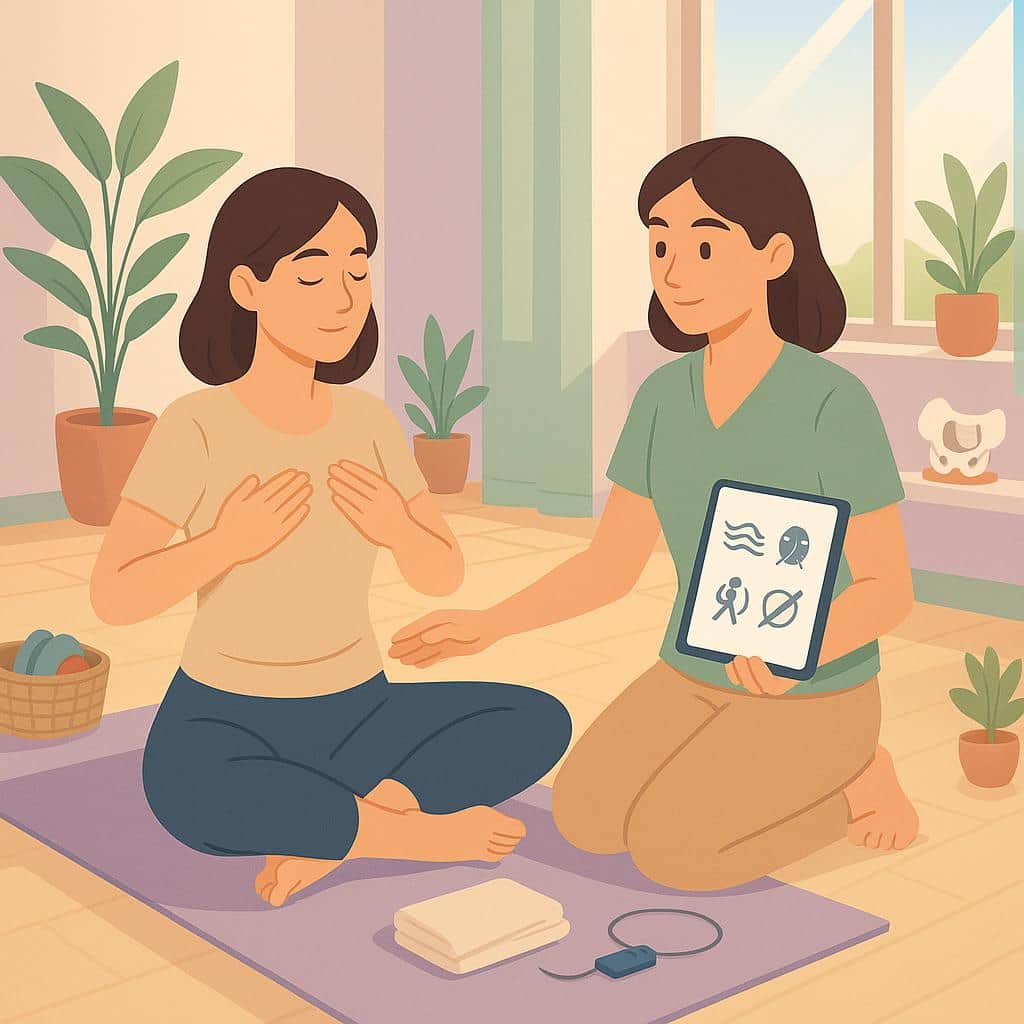
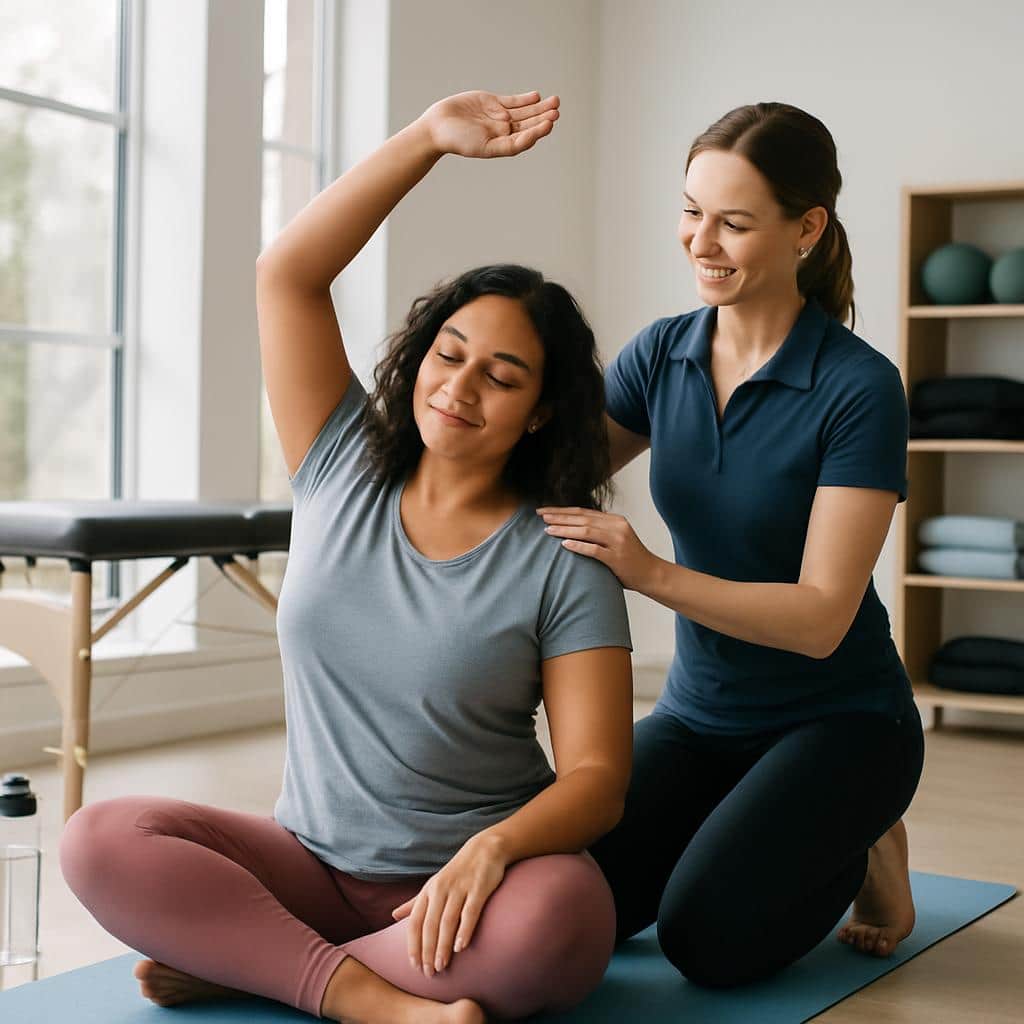
Pelvic floor therapy goes beyond Kegels. In endometriosis care, it often focuses on down-training overactive muscles, restoring coordination with breathing and movement, improving posture and hip/core mechanics, and using hands-on techniques to calm protective tissue patterns. Because persistent pain can also change how the nervous system processes signals, therapy may include strategies to reduce pain amplification and improve tolerance to daily activity.
We often recommend pelvic floor therapy as a complement to excision surgery and/or medical management, not a replacement, because it addresses pain drivers that medication and surgery don’t fully resolve. If your symptoms include dyspareunia, urinary urgency/frequency, painful bowel movements, tailbone/hip/low back pain, or lingering pelvic pain after treatment, our team can help you figure out whether pelvic floor dysfunction may be contributing and how to integrate therapy into a plan that fits your goals.
Where to go from here
Understand it, compare it with what you're feeling, then talk it through with us.
Step 1 · Understand
Understand the condition
Step 2 · Compare
Symptoms it can relate to
Step 3 · Speak with Us
Reduce pelvic pain—get a plan
Pelvic floor therapy can ease endometriosis pain when tight, overactive muscles and sensitized nerves are driving symptoms like pain with sex or bowel/bladder discomfort. Our endometriosis and adenomyosis specialists can assess what’s contributing to your pain and coordinate the right pelvic floor–s
Questions people ask next
All symptoms questionsHow does pelvic floor PT reduce endometriosis pain?
Pelvic floor PT calms overactive pelvic muscles so they can relax and coordinate again, which often reduces pain linked to tension. Gentle, targeted techniques release trigger points, improve tissue mobility, and help desensitize irritated nerves.
Do I need pelvic floor therapy before or after endometriosis surgery?
Often, yes. Depending on your symptoms, pelvic floor therapy may help before endometriosis surgery to reduce tightness and improve bowel or bladder symptoms or pain with sex, and after surgery to support comfortable movement and function.
Is internal pelvic floor therapy always required?
Internal pelvic floor therapy is not always required; the need depends on your symptoms, exam findings, and goals. Alternatives can be used, and nothing is performed without your clear, informed consent. You can pause or decline treatment at any time.
Why does sex still hurt after endometriosis treatment?
Sex can still hurt after endometriosis treatment because pelvic floor muscles may stay tense, nerves may remain sensitive, or tissues may still be healing. Pain can persist even when treatment reduces disease and doesn’t automatically mean endometriosis is back.
Further reading
Can Physical Rehab Reduce Endo and Adeno Pain?
How pelvic rehab and pelvic floor PT can help endometriosis and adenomyosis pain. What it treats best, who benefits, timelines, red flags, and questions to ask.
Can Physical Therapy Help Endometriosis Pain?
Discover how physical therapy can alleviate endometriosis pain, improve quality of life, and support pain management strategies.
Pelvic Floor & Myofascial Pain After Endometriosis Surgery
Why Do I Still Hurt series article three about pain post-endometriosis surgery. Learn the basics about myofascial pain and treatment options.