


You are seeking a diagnosis
Can you have both endometriosis and adenomyosis?
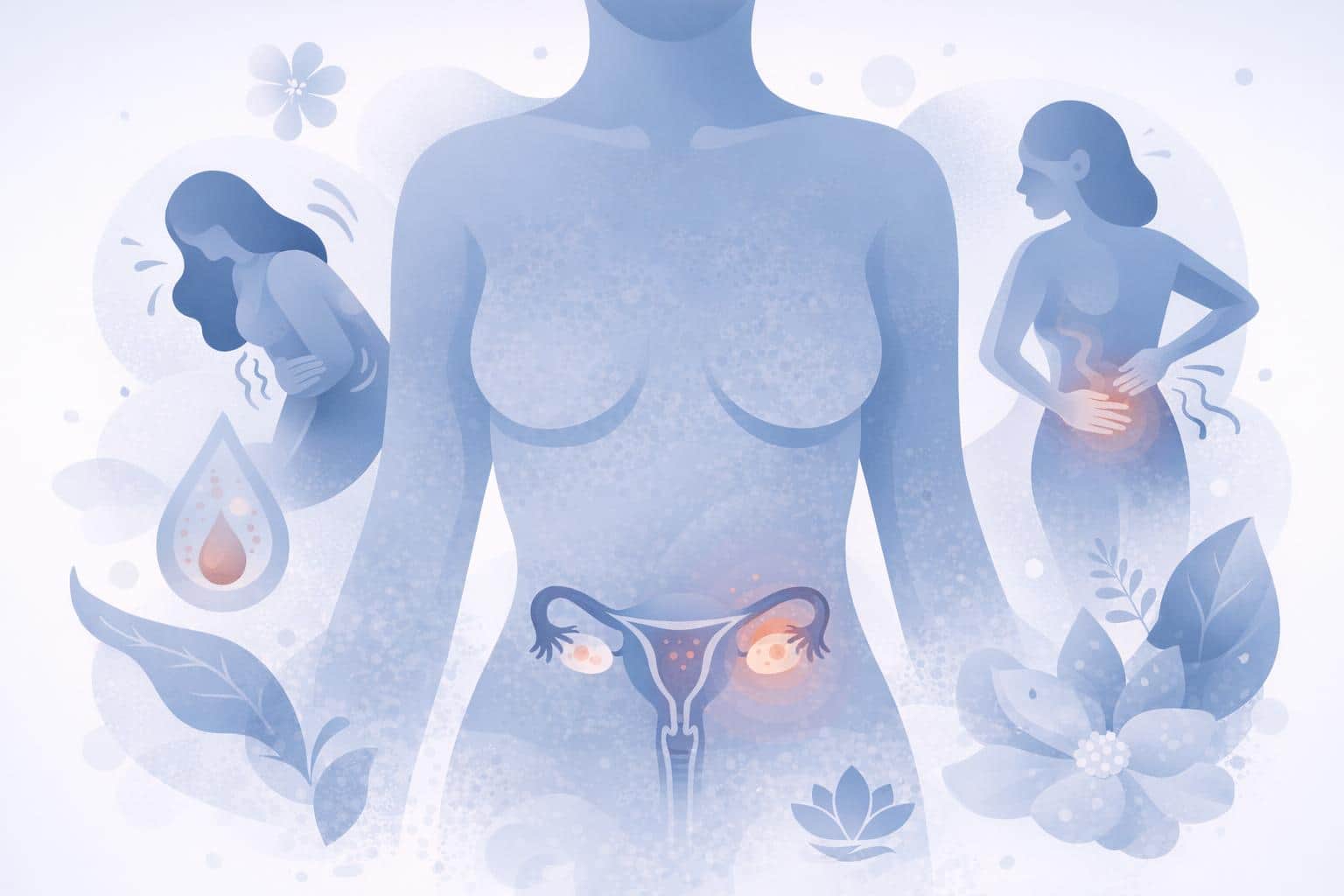
Yes—many patients can have both endometriosis and adenomyosis at the same time. Because these conditions can overlap, symptoms may blend together and feel harder to “pinpoint,” and it’s not unusual for one to be suspected while the other is missed.
Coexistence can also affect treatment planning, since endometriosis involves disease outside the uterus while adenomyosis is within the uterine muscle. In our practice, we focus on a thorough history and targeted imaging review to clarify what’s most likely driving your pain and bleeding, then discuss options that match your goals—especially if you’re trying to preserve fertility or avoid unnecessary treatments. If you suspect both, reach out to schedule a consultation so our team can help you make sense of your symptoms and next steps.
Struggling with Mixed Symptoms?
Many patients face both endometriosis and adenomyosis together, making diagnosis tricky. Our specialists carefully evaluate your condition to tailor the right treatment plan for you.
Schedule Your ConsultationLearn More

Do My Symptoms Mean Adenomyosis or Endometriosis?
Discover the truth about endometriosis and adenomyosis symptoms. Understand how common they really are, and gain insights for effective advocacy.
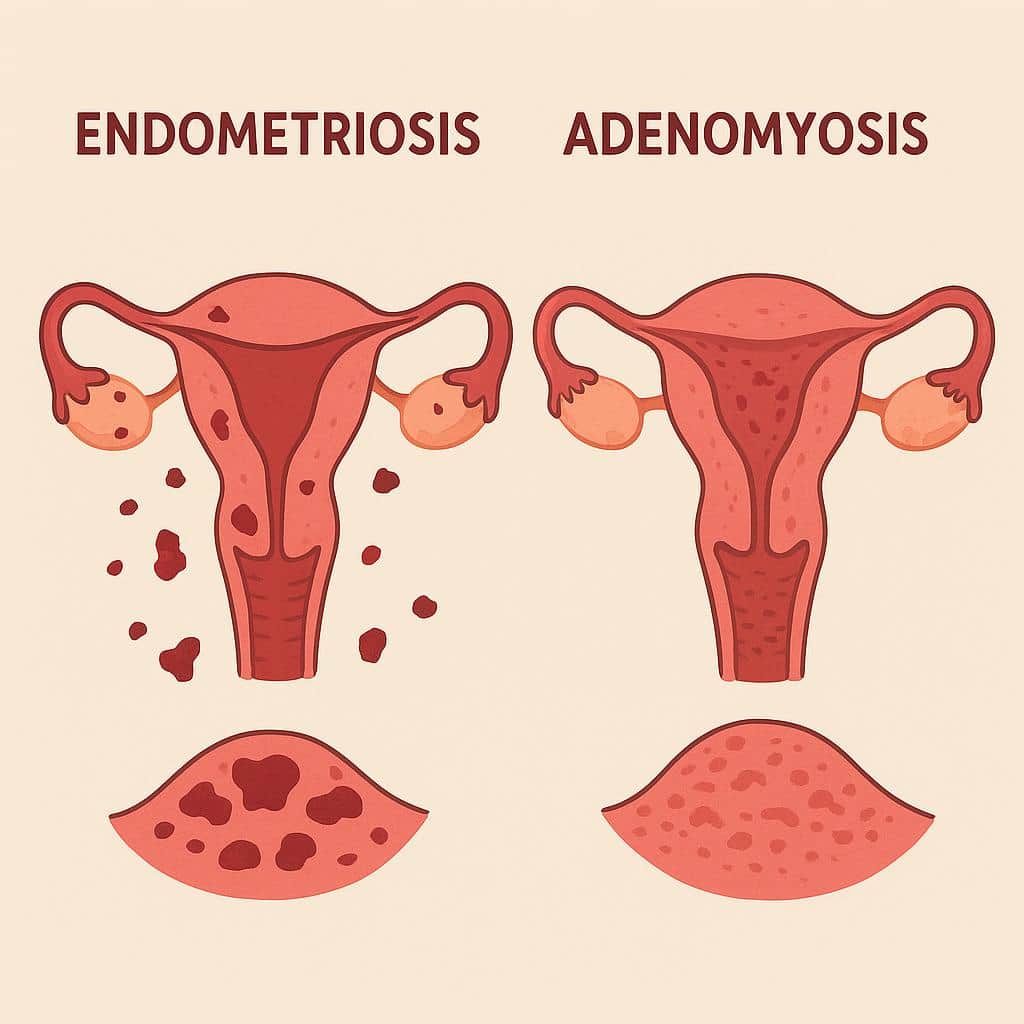
Endometriosis and Adenomyosis: How They Drive Pelvic Pain
Compare endometriosis and adenomyosis: similarities, differences in location and prevalence, diagnosis methods, and treatment options for pelvic pain.

What Does New Research on Adenomyosis Mean for Your Diagnosis and Treatment?
Discover how recent research on adenomyosis can transform your diagnosis and treatment options. Learn about symptoms, immune response, and more.

Diffuse Adenomyosis: Diagnosis and Treatment You Can Act On
A clear guide to diffuse adenomyosis: what it means, how TVUS and MRI diagnose it, and practical treatments, from hormonal IUDs to uterus-sparing options.
Related Pages
Evaluation & Diagnosis
At the Lotus Endometriosis Institute, evaluation begins with listening. Our diagnostic process uncovers the true source of pain and related conditions often missed elsewhere.
Adenomyosis
Often missed or not considered, adenomyosis causes heavy bleeding, pain, and fertility challenges. Here’s how we diagnose and treat it.